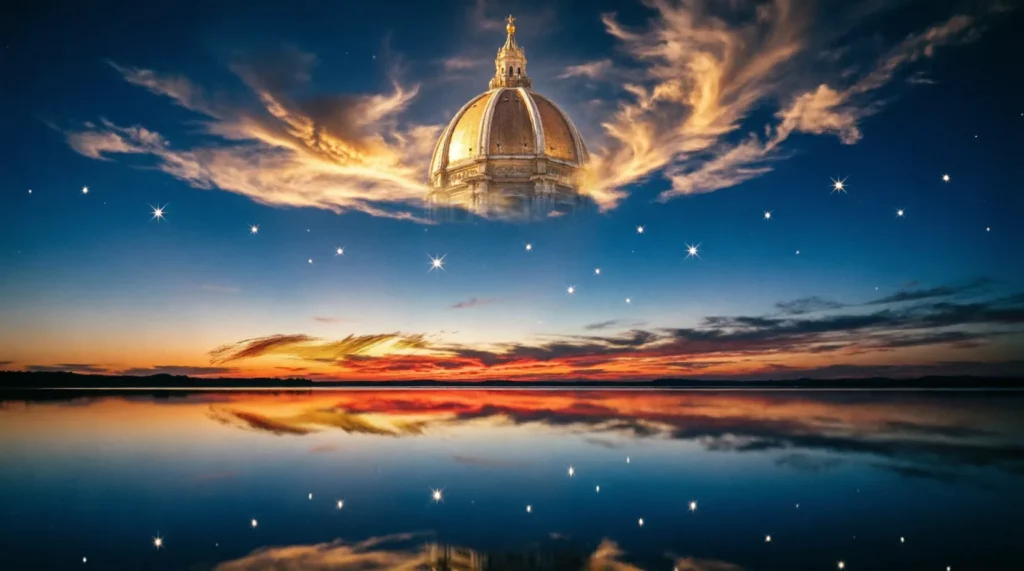
In short, similes for the sky compare the sky to something else using words like “as” or “like” to create vivid and memorable images. They help you describe different moods, colors, and weather in creative ways. Keep reading to discover inspiring examples and learn how to use them naturally in your own writing.
What Is the Sky Like? Similes for the Sky (And Why They Matter)
Have you ever looked out the window during class or while doing homework and wanted to describe the sky, but all you could think of was, “It was blue”? Many students face this challenge when writing stories, poems, or descriptive paragraphs.
Similes for the sky are comparisons that use the words like or as to help readers picture the sky more clearly. Instead of saying the sky was simply beautiful, you compare it to something familiar, making your description more interesting and easier to imagine.
These similes matter because they bring your writing to life. Whether you’re writing a personal narrative, answering an exam question, or creating a poem, colorful comparisons help your readers feel as if they are standing beside you.
Many language arts researchers and literacy educators encourage students to practice figurative language because it strengthens vocabulary, improves reading comprehension, and develops creative thinking. Once you learn a few strong examples, you’ll notice them everywhere—from books and poems to songs and movies.
[IMAGE: A student looking up at a colorful sunset while writing in a notebook.]
Now that you know what they are, let’s explore some of the best examples you can start using today.
The Best Examples of Similes for the Sky
The sky was as blue as a sapphire.
The morning sky stretched like a soft blanket over the hills.
The evening sky glowed like a painting.
The clouds floated like fluffy cotton balls across the sky.
The sky sparkled like a sea of diamonds filled with stars.
The sunset spread like melted gold across the horizon.
The stormy sky looked as dark as charcoal.
The clear sky was like polished glass.
The dawn sky shone like a freshly opened flower.
The sky stretched as wide as the ocean.
The sunset glowed like a campfire warming the horizon.
The night sky was as mysterious as a hidden cave.
The cloudy sky hung like a giant gray curtain.
The blue sky smiled like a cheerful friend.
The sky looked as endless as a dream.
The stars glittered like tiny lanterns in the sky.
The sunrise spread like warm honey across the clouds.
The storm clouds gathered like an army marching forward.
The sky was as peaceful as a quiet lake.
The moon floated like a silver boat across the night sky.
The sunset burned like glowing embers.
The sky shimmered like silk in the afternoon sun.
The cloudy sky looked like crumpled paper.
The morning sky was as fresh as spring water.
The night sky wrapped around us like a cozy blanket.
The sky glowed like a furnace at sunset, orange bleeding into gold.
The clouds drifted like scattered cotton pulled apart by the wind.
The night sky sparkled like a spilled jar of glitter.
The storm clouds rolled in like a dark curtain closing over the sun.
The dawn sky blushed like a shy face caught by surprise.
The stars scattered across the sky like salt thrown on black velvet.
These examples work well because they help readers create clear mental pictures. Many also connect to emotions, making your writing feel calm, exciting, mysterious, or joyful. The best similes for the sky appeal to the senses and help readers experience the scene instead of simply reading about it.
Now let’s learn how you can create your own original comparisons.
How to Use Similes for the Sky in Your Writing
You don’t need to memorize dozens of similes. Once you understand the idea, you can create your own whenever you write.
Think about the mood first. Ask yourself how the sky feels. Is it peaceful, stormy, bright, scary, or magical? Your simile should match that feeling.
Compare it to something familiar. Choose an object, place, or experience your readers will easily recognize. Comparing the sky to silk, glass, honey, or a blanket creates clear imagery.
Use only one or two strong similes. You don’t need a simile in every sentence. A few carefully chosen comparisons make your writing stronger than filling every paragraph with figurative language.
Read your sentence aloud. If it sounds natural and helps you picture the scene, you’ve probably written an effective simile.
Here’s an example:
“As Maya climbed the hill, the sunset painted the horizon, and the sky stretched like a glowing canvas waiting for an artist’s final brushstroke.”
Notice how the simile fits naturally into the sentence instead of interrupting it. Creative writing teachers often encourage students to revise their descriptions until every comparison feels meaningful.
Similes for the Sky in Poems and Stories
One of the best places to use similes for the sky is in creative writing. Poems, stories, and even song lyrics become more vivid when you compare the sky to something your readers can easily imagine.
Here are a few short examples you can use for inspiration.
Poem Example 1 – Aisha
The sky was like a painted sea, Where clouds sailed slow and free. Each color danced with evening light, Until the stars filled up the night.
Story Example – Ethan
Ethan paused at the top of the hill. The sky stretched like an endless blue blanket, making him feel as though the whole world was waiting for a new adventure.
Poem Example 2 – Sofia
The sunset glowed like golden fire, Lighting trees that reached much higher. The evening breeze began to sing, As birds flew home on silent wings.
Story Example – Amir
Amir watched the storm roll in. The sky looked like a giant gray curtain, hiding the sunshine until the rain finally arrived.
Poets and authors use similes for the sky because they create emotion and imagery. Instead of simply telling readers what the sky looked like, they help readers imagine the scene with their own minds.
Now that you’ve seen these examples in action, let’s look at a few mistakes that many students make—and how you can avoid them.
Common Mistakes Students Make With Similes for the Sky
Using clichés too often Comparisons like “as blue as the sky” don’t create a new image because they’re too familiar. Try choosing something more creative that matches your scene.
Mixing different images together For example, saying the sky was “like a blanket and as loud as a lion” in the same sentence can confuse readers. Stick with one clear comparison at a time.
Choosing a comparison that doesn’t fit If you’re describing a peaceful sunset, comparing it to an explosion may not match the mood. Make sure your simile supports the feeling of your writing.
Using too many similes A page filled with similes can overwhelm readers. One or two strong comparisons often have a bigger impact.
Forgetting the words “like” or “as” A simile uses like or as. If those words are missing, you may have accidentally written a metaphor instead.
These mistakes are completely normal. Even experienced writers revise their work to make every comparison clearer and more effective.
Let’s practice your new skills with some fun activities.
Sky Observation Challenge Grab a pencil and spend five minutes looking outside. Write five different similes describing the sky without repeating the same idea.
Picture and Write Find a photo of a sunrise, sunset, or stormy day. Write a short paragraph using at least three original similes for the sky.
Simile Match Game Play with a friend or classmate. One person describes the sky, and the other thinks of the best simile to complete the sentence.
Draw and Describe Draw your favorite kind of sky, then write five similes that match your picture. Combining art and writing helps you remember figurative language more easily.
Reading Detective Read a chapter from your favorite novel or poem. Circle every simile you find that describes the sky, then explain why you think the author chose it.
These activities help you become more confident while making writing enjoyable instead of stressful.
What NOT to Do With Similes for the Sky
Don’t force a simile into every sentence. Too many comparisons can distract readers from your main idea.
Don’t copy the same examples over and over. Popular similes are useful for learning, but creating your own makes your writing more original.
Don’t choose comparisons that confuse readers. Your simile should make the picture clearer, not harder to imagine.
Don’t assume every sky looks the same. A sunrise, a thunderstorm, and a starry night all deserve different comparisons. Matching the simile to the scene makes your writing much stronger.
By avoiding these habits, your descriptions will sound more natural and memorable.
Frequently Asked Questions About Similes for the Sky
What is a good simile for the sky?
A good simile compares the sky to something familiar and easy to picture. For example, “The sky was like a soft blanket” or “The sky was as blue as a sapphire.” The best choice depends on the mood you want to create.
How do you use similes for the sky in a sentence?
Simply compare the sky using like or as. For example: “The evening sky glowed like melted gold as the sun disappeared behind the hills.”
What is the difference between a simile and a metaphor for the sky?
A simile uses the words like or as, while a metaphor says one thing is another. “The sky was like a blanket” is a simile, while “The sky was a blanket” is a metaphor.
Are similes for the sky suitable for elementary and middle school students?
Yes. They are excellent for students because they encourage creative thinking and improve descriptive writing. Many literacy educators recommend practicing similes early to build strong writing skills.
Why do writers use similes for the sky?
Writers use them to help readers imagine colors, weather, and emotions more clearly. A strong simile turns an ordinary description into a memorable one that stays with the reader.
Final Thoughts on Similes for the Sky
Learning similes for the sky is one of the easiest ways to make your writing more colorful and expressive. Whether you’re describing a bright summer afternoon, a dramatic thunderstorm, or a peaceful night full of stars, the right comparison helps your readers see exactly what you imagine.
In this guide, you’ve learned what sky similes are, explored more than 25 examples, discovered how to use them in stories and poems, and practiced ways to create your own. You also learned common mistakes to avoid so your writing stays clear and engaging.
Remember that every great writer starts by observing the world carefully. The next time you look outside, notice the colors, shapes, and feelings the sky gives you, then turn those observations into creative comparisons.
With practice, your descriptions will become more vivid, your stories more memorable, and your confidence as a writer will continue to grow. Keep looking up, keep imagining, and enjoy bringing the beauty of the sky to life with your own words.
Additional Sky Similes for Writers
The dawn sky blushed like a shy bride behind a veil of clouds.
Stars scattered overhead like sugar spilled across black velvet.
The horizon burned like the edge of a forgotten campfire.
Clouds rolled in like an army of gray ships on the march.
The night sky stretched out like an endless bolt of dark silk.
Jamal Rodriguez is a poet and author who has been writing professionally for over a decade. With a Bachelor’s degree in Creative Writing, Jamal’s expertise lies in the use of vivid imagery and emotional depth in poetic language. Fascinated by the limitless possibilities of similes and metaphors, he joined SimilePedia to share his knowledge with budding writers. Jamal focuses on creating content for creative writers and poets, helping them understand the emotional resonance that figurative language can evoke. Through his work, he aims to inspire others to explore their own creative boundaries and embrace the beauty of language as an art form. His contributions include a range of exercises that stimulate imagination across all grade levels.