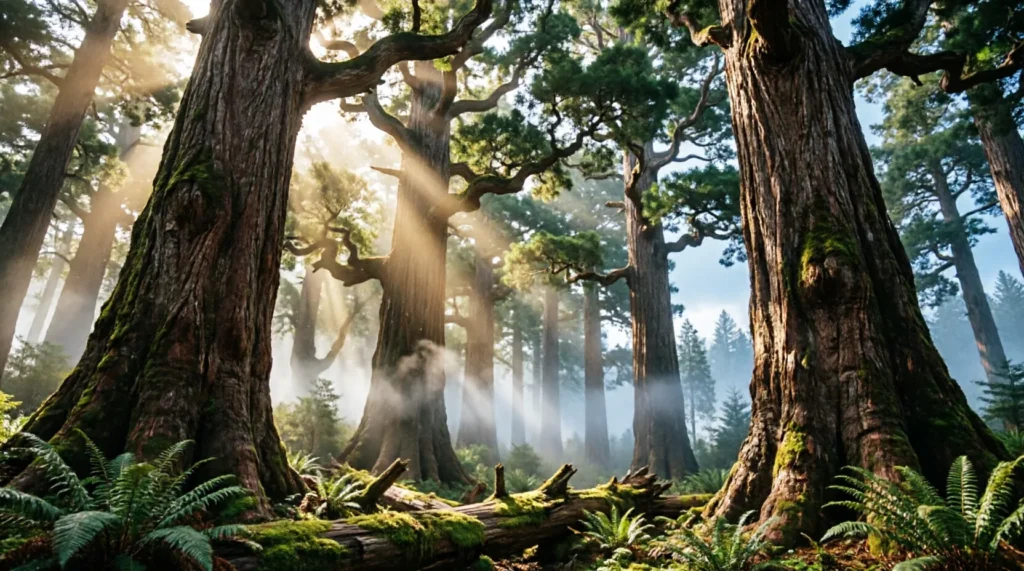
In short, similes for tall trees are creative comparisons that help readers picture just how high, strong, or impressive a tree appears. They make descriptions more vivid in stories, poems, and school assignments. Below, you’ll find dozens of examples, writing tips, and fun activities to help you use them with confidence.
What Are Similes for Tall Trees? (And Why They Matter)
Have you ever stared at a writing assignment and known exactly what you wanted to describe, but not how to put it into words? Maybe your teacher asked you to describe a forest, and simply writing “the trees were tall” felt a little boring.
Similes for tall trees are comparisons that use words like “as” or “like” to help readers imagine the height, appearance, or feeling of a tree. They connect something familiar to something else in a creative way.
These comparisons matter because they make your writing more interesting and memorable. Instead of giving readers plain facts, you help them create pictures in their minds.
Literacy educators and language arts researchers often encourage students to use figurative language because it strengthens descriptive writing, reading comprehension, and creative thinking. When you learn to use similes for tall trees effectively, your stories and poems can feel much more alive.
Now that you know what they are, let’s explore some powerful examples you can use right away.
The Best Examples of Similes for Tall Trees
The tall tree stood like a giant guarding the forest.
The pine tree rose like a green skyscraper.
The oak stretched upward like a tower reaching for the clouds.
The tree stood as tall as a lighthouse beside the shore.
The redwood rose like a pillar holding up the sky.
The tree reached upward like a rocket ready for launch.
The trunk stood like a soldier standing at attention.
The tall tree was as majestic as a castle tower.
The branches spread like arms welcoming visitors.
The tree stood like a giant paintbrush touching the sky.
The cedar rose like a church steeple above the town.
The tree was as tall as a mountain’s shadow.
The poplar stretched upward like a flagpole.
The tree stood like a guardian watching over the meadow.
The trunk rose like a chimney from the earth.
The tall tree was as proud as a king on a throne.
The tree reached into the sky like a ladder to the clouds.
The pine stood like a spear pointed toward heaven.
The tree was as straight as a ruler.
The branches climbed like fingers reaching upward.
The tall tree stood like a monument in the middle of the field.
The redwood rose like a giant candle against the horizon.
The tree towered like a skyscraper over the smaller plants.
The trunk stood like a pillar carved from wood.
The tree stretched upward like a giant hand reaching for the sun.
These examples work well because they create strong mental images. Some focus on height, while others highlight strength, beauty, or importance.
The best similes for tall trees help your readers see, feel, and imagine the scene. The more vivid the image, the more memorable your writing becomes.
How to Use Similes for Tall Trees in Your Writing
Think about what makes the tree special.
Is it extremely tall, perfectly straight, or wide and powerful? Choose a comparison that matches the quality you want to emphasize.
Compare the tree to something familiar.
Readers understand skyscrapers, towers, lighthouses, and ladders. Using familiar images makes your description easier to picture.
Match the mood of your writing.
A fairy tale might compare a tree to a magical tower, while an adventure story might compare it to a giant guard protecting the forest.
Use similes naturally.
Avoid adding too many in one paragraph. A single strong comparison often has more impact than several weak ones.
Example:
“The pine tree stood like a giant guard at the entrance to the forest.”
When you use similes carefully, your descriptions feel vivid instead of forced.
[IMAGE: Tall pine trees reaching into a bright blue sky]
“As tall as the cliffs above the sea” — Highlights impressive height and strength, making it perfect for vivid landscape descriptions.
“Like a green tower reaching into the clouds” — Captures the way tall trees seem to stretch endlessly toward the sky.
“As steady as an ancient cedar” — Emphasizes stability and endurance in peaceful outdoor scenes.
“Like a giant standing guard over the forest” — Suggests protection and quiet strength in nature writing.
“As high as a mountain lookout” — Shows remarkable height while creating a clear visual image for readers.
💛 Warm & Emotional (for personal stories, letters, heartfelt writing)
“Like a tall tree sheltering tired travelers” — Reflects kindness, comfort, and protection in emotional writing.
“As dependable as the tallest oak in the valley” — Expresses reliability and trust when describing a person or memory.
“Like a tree reaching out with open branches” — Creates a feeling of welcome and generosity.
“As comforting as a tall pine on a quiet morning” — Adds warmth and peace to reflective or personal stories.
“Like an old tree watching generations grow” — Suggests wisdom, family memories, and lasting love.
✨ Poetic & Romantic (for poems, song lyrics, love writing)
“Like emerald pillars touching the heavens” — Gives tall trees a graceful, dreamlike quality for poetry.
“As graceful as a tree dancing with the wind” — Blends elegance with gentle movement in lyrical writing.
“Like silent giants wearing crowns of leaves” — Creates a magical image filled with beauty and wonder.
“As noble as a forest king” — Conveys dignity and quiet majesty in romantic or poetic descriptions.
“Like living ladders climbing toward the stars” — Evokes hope, dreams, and endless possibility.
😄 Playful & Fun (for casual use, social media captions, humor)
“As tall as my weekend homework pile” — Adds humor by comparing height to something students know well.
“Like a tree trying to peek over the clouds” — Creates a funny image that works well in casual conversations.
“As tall as a stack of giant pancakes” — Makes an exaggerated and playful comparison kids will enjoy.
“Like nature’s biggest selfie stick” — Gives a modern, humorous twist that’s perfect for captions.
“As tall as a giraffe wearing roller skates” — Uses silly exaggeration to make the comparison memorable and fun.
These tone-grouped similes for similes for tall trees give you options for every kind of writing — whether you need something soft and poetic or bold and fun. Try picking one from each group and using them in a short paragraph to see how different the same keyword can feel.
Using similes for tall trees in Real Writing Contexts
In a Descriptive Essay
When writing about forests, parks, or natural landscapes, similes for tall trees help readers picture the scene more clearly. They turn ordinary descriptions into vivid images that are easier to remember. Example:The pine trees stood as high as mountain lookouts, making the forest feel endless beneath the bright blue sky.
In a Poem
Similes for tall trees can create a peaceful, mysterious, or inspiring mood in poetry. They help readers imagine beauty while adding rhythm to the writing. Example:Like emerald pillars touching the heavens, the tall trees whispered softly beneath the evening stars.
In a Story or Creative Scene
In stories, similes for tall trees can make the setting feel alive and strengthen the emotions of a scene. They help readers picture where the characters are and how the environment affects them. Example:As Mia stepped into the forest, the trees rose like giants standing guard, making her heart race with both fear and excitement.
In a Social Media Caption or Message
A short simile makes nature photos and outdoor updates more creative and memorable. It adds personality without making the caption too long. Example:These trees are like green towers reaching into the clouds—nature never stops amazing me! 🌲✨
The more you practice placing similes for tall trees into real sentences, the more natural your writing will sound — and the more your reader will feel exactly what you want them to feel.
Similes for Tall Trees in Poems and Stories
Poets and authors often use similes to create imagery, emotion, and rhythm. A well-chosen comparison can make a simple tree seem magical, mysterious, or inspiring.
Here’s a short poem example:
Amina looked above her head, The pine stood like a tower of green, Touching clouds she could not reach, The tallest tree she’d ever seen.
Story example:
Javier stepped into the forest. Around him, the trees stood like silent giants. Their shadows stretched across the ground as if they were protecting ancient secrets.
Another poem example:
The oak rose like a lighthouse bright, Guiding birds through morning light. Its branches swayed from left to right, A forest king in peaceful sight.
Writers use similes for tall trees because they help readers connect emotionally with nature. They transform ordinary descriptions into scenes that feel rich and memorable.
Once you start noticing these comparisons in books and poems, you’ll see them almost everywhere.
Common Mistakes Students Make With Similes for Tall Trees
Comparing a tree to something unrelated
A comparison should make sense. If the connection is unclear, readers may become confused rather than engaged.
Using overused comparisons repeatedly
Writing “as tall as a building” again and again can become repetitive. Try exploring fresh images such as towers, lighthouses, or monuments.
Focusing only on height
Tall trees have many qualities besides height. You can also describe their strength, shape, branches, or presence.
Making similes too complicated
Sometimes students try to sound impressive by creating very long comparisons. A simple, clear simile is often stronger.
Using too many similes in one paragraph
This is a common mistake. Giving every tree a different simile can overwhelm readers. Choose the most effective comparison and let it shine.
These mistakes are completely normal when you’re learning. With practice, you’ll develop a better sense of which comparisons work best.
Fun Activities to Practice Similes for Tall Trees
Tree Observation Challenge
Grab a pencil and look at a tree outside your home or school. Write five different similes describing its height, shape, and branches.
Forest Drawing and Writing
Draw a forest scene, then create a simile for each tree you include. This combines art and creative writing in a fun way.
Simile Match Game
Write tree descriptions on one set of cards and possible comparisons on another. Mix them up and see how many creative matches you can make.
Story Starter Activity
Begin a story with the sentence: “The tree stood like…” Then challenge yourself to write an entire paragraph around that image.
Reading Detective
While reading a novel or poem, look for similes describing nature. Keep a list of the best examples you discover.
Classroom Simile Contest
Work with friends or classmates and see who can create the most original simile for a tall tree. Vote on the most imaginative comparison.
Practicing in different ways helps you remember what you’ve learned and gives you more confidence as a writer.
What NOT to Do With Similes for Tall Trees
Don’t assume taller always means better.
A simile should fit your description, not exaggerate every tree into the biggest tree in the world.
Don’t copy every simile you find online.
Creating your own comparisons helps your writing sound unique and personal.
Don’t force a comparison that doesn’t fit.
If the image feels awkward, readers will notice. Choose something that naturally matches the tree.
Don’t focus only on famous examples.
Many students think there is one “correct” simile. In reality, creative and original comparisons are often the most effective.
Frequently Asked Questions About Similes for Tall Trees
What is a good simile for a tall tree?
A good simile for a tall tree is “The tree stood like a giant guarding the forest.” It clearly communicates height while creating a vivid image that readers can easily imagine.
How do you use similes for tall trees in a sentence?
You can place the comparison directly into your description. For example: “The pine tree rose like a green skyscraper above the valley.”
Why do writers use similes for tall trees?
Writers use them to help readers visualize scenes more clearly. Similes add imagery, emotion, and personality to descriptions that might otherwise feel plain.
Are similes for tall trees suitable for elementary students?
Yes. Many similes for tall trees are simple and easy to understand. Younger students can compare trees to towers, flagpoles, or giants, while older students can create more detailed comparisons.
What is the difference between a simile and a metaphor for tall trees?
A simile uses words such as “like” or “as.” A metaphor makes a direct comparison. For example, “The tree was like a tower” is a simile, while “The tree was a tower” is a metaphor.
Final Thoughts on Similes for Tall Trees
Similes for tall trees help you turn ordinary descriptions into vivid images. Whether you’re writing a poem, a story, or a school assignment, these comparisons can make your work more engaging.
You learned what similes for tall trees are, why they matter, and how to use them effectively. You also explored dozens of examples that highlight height, strength, beauty, and imagination.
Remember that the strongest similes connect to images your readers already understand. When you compare a tree to a tower, lighthouse, or giant, you help readers picture the scene instantly.
The more you practice, the easier figurative language becomes, and every new comparison you create is another step toward stronger, more expressive writing.
Frequently Asked Questions
What are similes for tall trees and why are they important?▼
Similes for tall trees are creative comparisons that use words like ‘as’ or ‘like’ to describe the height and strength of trees. They are important because they make writing more vivid and engaging, helping readers create mental images that enhance their understanding and enjoyment.
Can you provide examples of similes for tall trees?▼
Certainly! Examples include ‘The pine tree rose like a green skyscraper’ and ‘The tree stood like a giant paintbrush touching the sky.’ These comparisons not only describe the tree’s height but also evoke strong imagery.
How can I effectively use similes for tall trees in my writing?▼
To use similes effectively, think about what makes the tree unique—its height, shape, or presence. Choose a familiar comparison, like a lighthouse or a tower, that conveys the quality you want to emphasize.
What types of writing benefit from using similes for tall trees?▼
Similes for tall trees can enhance various types of writing, including stories, poems, and school assignments. They add depth and creativity, making descriptions more memorable and engaging for readers.
Why do educators encourage the use of similes in writing?▼
Educators promote the use of similes because they strengthen descriptive writing and improve reading comprehension. They help students develop creative thinking skills and make their writing more interesting.
How do similes for tall trees enhance mental imagery in writing?▼
Similes enhance mental imagery by connecting the unfamiliar with familiar concepts, allowing readers to visualize the scene more clearly. For example, comparing a tree to a ‘tower reaching for the clouds’ paints a vivid picture of its grandeur.
What mood should I match when creating similes for tall trees?▼
When creating similes, consider the mood of your writing. For instance, a whimsical fairy tale may compare a tree to a magical object, while a dramatic story might liken it to a strong fortress, ensuring the simile aligns with the overall tone.
Sara Liu holds a Master’s degree in English Education from the University of Washington and has been an educator for over 15 years. She specializes in curriculum development for elementary and middle school students, with a particular focus on figurative language. Sara’s love for similes and metaphors blossomed when she discovered their power to spark imagination and convey emotion. At SimilePedia, Sara creates engaging worksheets and reference guides that help young learners grasp the nuances of figurative language. Her favorite part of writing content is developing resources that make complex concepts accessible to children. She is passionate about nurturing a love for words and creativity in her students, and her contributions are shaped by this commitment.