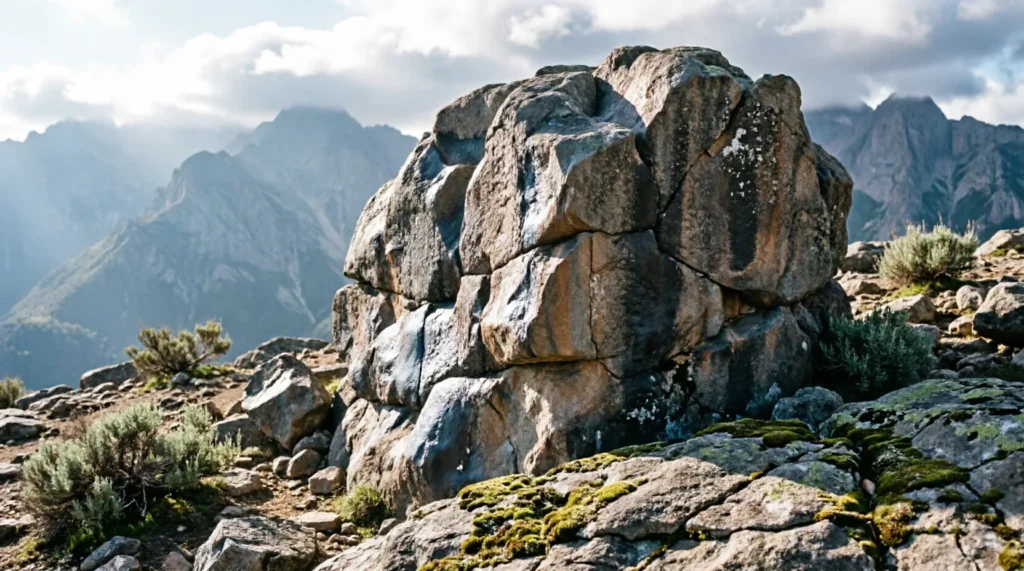
In short, similes for rocks are creative comparisons that help you describe rocks in a vivid and imaginative way using “like” or “as.” In this article, you will discover powerful examples that make hard, rough, or smooth stones easier to picture in your writing. Keep reading to learn how to use them and make your descriptions stronger than ever.
What Are Similes for Rocks? (And Why They Matter)
Imagine you’re sitting in class, and your teacher says, “Describe a rock in an interesting way.” You might freeze for a moment, staring at a blank page, unsure how to make something as simple as a stone sound exciting. This is exactly where similes for rocks can help you.
Similes for rocks are simple comparisons that show what a rock is like using words such as “like” or “as.” For example, “as hard as steel” or “like a sleeping giant.” These comparisons help your reader see and feel what you are describing.
Writers use similes for rocks because plain descriptions like “the rock was big” feel boring. But when you say “the rock stood like an ancient guardian,” your writing suddenly becomes more powerful and emotional. Literacy educators often explain that figurative language like this helps improve imagination, reading comprehension, and storytelling skills.
Understanding similes for rocks matters because you can use them in essays, poems, stories, and even exams to make your writing stand out. Once you learn them, you’ll notice how much easier it becomes to describe the world around you.
Now that you understand the basics, let’s explore some of the most creative examples you can use in your writing.
The Best Examples of Similes for Rocks
Here are some vivid and creative similes for rocks you can use in your writing:
As hard as iron after a thousand years in the ground
Like a sleeping giant frozen in time
As rough as sandpaper scraped by the wind
Like a silent guardian standing in the field
As heavy as a forgotten mountain
Like a stone heart that never feels pain
As cold as ice trapped in the earth
Like a piece of history carved by nature
As solid as a fortress wall
Like an old warrior resting after battle
As unmovable as time itself
Like a secret buried under layers of earth
As cracked as ancient pottery
Like a piece of the Earth’s bones
As gray as storm clouds before rain
Like a forgotten monument in the wild
As still as a statue in a deserted land
Like a shield left behind by ancient kings
As tough as a dragon’s hide turned to stone
Like a frozen wave in the middle of the sea
As ancient as the oldest story ever told
Like nature’s own sculpture carved in silence
These similes for rocks are powerful because they use strong imagery. They help your reader see the texture, weight, and age of the rock instead of just reading a plain description. The best similes make your writing feel alive and memorable.
How to Use Similes for Rocks in Your Writing
If you want to use similes for rocks effectively, follow these simple steps:
First, think about what you want to describe about the rock — is it its size, age, color, or texture?
Next, choose something familiar to compare it with, like metal, animals, or nature.
Then, build your sentence using “like” or “as” to connect the ideas clearly.
Finally, read your sentence aloud and see if it creates a strong image in your mind.
For example: The boulder sat in the valley like a sleeping giant waiting for the world to wake it.
When you practice this, similes for rocks will become a natural part of your writing style, helping you express ideas more clearly and creatively.
Similes for Rocks in Poems and Stories
Writers and poets love using similes for rocks because they add emotion and depth to simple scenes. A rock can become more than just an object—it can feel alive, ancient, or even magical.
Here are some creative examples:
Aisha wrote: “The stone lay in the garden like a forgotten memory no one could erase.”
Daniel wrote: “The cliff stood as still as time itself, watching the sea crash below.”
Mei imagined: “The rock was like a silent king wearing a crown of moss.”
Poets use these comparisons to create mood and meaning. Instead of just describing what something looks like, they help you feel its presence. This is why similes for rocks are so common in storytelling—they turn ordinary objects into powerful symbols.
“As weathered as an old rock by the sea” — Captures something shaped by time and nature, making it perfect for descriptive landscapes.
“Like rocks scattered across a riverbank” — Suggests a natural, uneven arrangement that adds detail to outdoor scenes.
“As rough as a mountain rock” — Emphasizes a coarse texture and works well when describing surfaces or terrain.
“Like a rock resting beneath clear water” — Creates a calm, peaceful image that suits reflective or nature-focused writing.
“As steady as rocks lining a canyon” — Highlights strength and permanence in descriptions of places or objects.
💛 Warm & Emotional (for personal stories, letters, heartfelt writing)
“Like a rock that never leaves the shore” — Describes someone who is dependable through every challenge.
“As comforting as sitting on a warm rock in the sunshine” — Expresses a feeling of safety, peace, and quiet happiness.
“Like rocks holding up an old garden wall” — Shows how small acts of support keep relationships strong.
“As faithful as a rock through every season” — Reflects loyalty and consistency in friendships or family stories.
“Like a smooth rock kept as a treasured memory” — Suggests that special moments can be simple yet meaningful.
✨ Poetic & Romantic (for poems, song lyrics, love writing)
“Like moonlight dancing across silver rocks” — Paints a gentle, dreamy image ideal for poetry.
“As timeless as rocks beneath the stars” — Suggests a love or memory that lasts through the ages.
“Like hidden rocks waiting beneath gentle waves” — Represents quiet emotions or feelings beneath the surface.
“As graceful as moss covering ancient rocks” — Blends strength with softness, creating a peaceful poetic image.
“Like crystal rain shining on dark rocks” — Adds sparkle and contrast to romantic or lyrical writing.
😄 Playful & Fun (for casual use, social media captions, humor)
“As stubborn as a rock that refuses to roll” — A funny way to describe someone who will not change their mind.
“Like rocks bouncing across a pond” — Brings energy and excitement to playful stories or captions.
“As solid as a rock in a pillow fight” — Uses exaggeration for humorous effect.
“Like a tiny rock trying to boss around a mountain” — Describes someone acting much tougher than they really are.
“As cheerful as painted rocks in a garden” — Gives a bright, colorful feeling that fits fun and positive writing.
These tone-grouped similes for similes for rocks give you options for every kind of writing — whether you need something soft and poetic or bold and fun. Try picking one from each group and using them in a short paragraph to see how different the same keyword can feel.
Using similes for rocks in Real Writing Contexts
In a Descriptive Essay
When describing a landscape, trail, beach, or mountain, similes for rocks help readers picture the scene more clearly. They make ordinary details feel more vivid and memorable. For example: The cliffs were covered with stones as rough as a mountain rock, giving the valley a wild and rugged look.
In a Poem
Similes for rocks can create feelings of strength, peace, or timeless beauty in poetry. Choosing a gentle or dramatic comparison helps set the mood for the entire poem. Like moonlight dancing across silver rocks, your smile turned the silent night into something magical.
In a Story or Creative Scene
In creative writing, similes for rocks can describe both the setting and a character’s emotions. They help readers experience the moment instead of simply reading about it. The frightened hikers stood as still as rocks lining a canyon as the distant thunder echoed through the mountains.
In a Social Media Caption or Message
A short simile can make a caption or message more interesting while keeping it easy to read. It adds personality without needing many words. *Weekend mood: as steady as a rock by the shore, just relaxing and enjoying every peaceful moment. *
The more you practice placing similes for similes for rocks into real sentences, the more natural your writing will sound — and the more your reader will feel exactly what you want them to feel.
Common Mistakes Students Make With Similes for Rocks
Even though similes for rocks are easy to use, students sometimes make a few mistakes. Here’s what to watch out for:
Using weak comparisons Some students write “as big as a rock,” which doesn’t really add meaning. Try more creative comparisons instead.
Overusing the same ideas Repeating “as hard as stone” too often makes writing boring. Try different images each time.
Making comparisons unclear If your reader doesn’t understand the comparison, the simile loses its power.
Forgetting the purpose A simile should help describe something better, not confuse the reader.
Mixing metaphors and similes incorrectly Keep your comparisons clear and consistent so your writing stays strong.
These mistakes are normal, and with practice, your use of similes for rocks will become much more natural and effective.
Fun Activities to Practice Similes for Rocks
Rock Observation Challenge Go outside, find a rock, and write five different similes to describe it. Try to think of unique comparisons.
Simile Drawing Game Draw a rock and label it with similes like “as rough as bark” or “like a sleeping mountain.”
Story Builder Activity Write a short story where a rock plays an important role, and include at least three similes for rocks.
Classroom Guessing Game One student reads a simile, and others guess what aspect of the rock is being described.
Simile Upgrade Exercise Take boring sentences like “The rock is big” and turn them into creative similes.
Poem Creation Challenge Write a short poem using at least four different similes for rocks to describe a landscape.
These activities help you practice creativity while building confidence in descriptive writing.
What NOT to Do With Similes for Rocks
Don’t use overly simple comparisons Saying “as hard as a rock” too often doesn’t help your writing stand out.
Don’t force strange comparisons If your simile doesn’t make sense, it will confuse your reader instead of helping them.
Don’t repeat the same image Using “stone” or “rock” repeatedly in every comparison makes your writing feel limited.
Don’t ignore meaning A good simile should always help describe something specific about the rock, not just sound fancy.
Frequently Asked Questions About Similes for Rocks
What is a simple example of similes for rocks?
A simple example is “as hard as iron” or “like a sleeping giant.” These comparisons help describe the strength, size, or stillness of a rock in a creative way. They make writing more vivid and easier to imagine.
Why do writers use similes for rocks?
Writers use similes for rocks to make descriptions more interesting and emotional. Instead of plain words, they help readers picture the rock clearly and feel its presence in the story or poem.
Can students use similes for rocks in essays?
Yes, students can absolutely use similes for rocks in essays, especially in descriptive or narrative writing. They help improve creativity and can make your writing stand out in exams or assignments.
What makes a good simile for rocks?
A good simile for rocks is clear, creative, and easy to understand. It should help the reader visualize something about the rock, such as its strength, age, or texture.
How can I improve my similes for rocks?
You can improve by observing real objects, reading more descriptive writing, and practicing different comparisons. The more you experiment, the more natural your similes for rocks will become.
Final Thoughts on Similes for Rocks
Similes for rocks help you turn simple, ordinary objects into powerful images full of meaning. Instead of writing plain descriptions, you can now create comparisons that feel alive, creative, and memorable.
As you practice, you’ll notice your writing becoming stronger and more expressive. You’ll also find it easier to describe not just rocks, but many other things around you with confidence.
Keep experimenting with new ideas, and remember—every great writer started with simple comparisons like these. Your creativity will only grow from here.
Frequently Asked Questions
What are similes for rocks and why are they useful?▼
Similes for rocks are creative comparisons that describe rocks using ‘like’ or ‘as,’ making descriptions more vivid and imaginative. They help convey the characteristics of rocks in a way that engages readers and enhances the emotional impact of writing.
Can you provide examples of similes for rocks?▼
Yes! Some examples include ‘as hard as iron after a thousand years in the ground’ and ‘like a sleeping giant frozen in time.’ These comparisons use strong imagery to evoke feelings and visualizations in your readers.
How can similes improve my writing skills?▼
Using similes, especially for rocks, can enhance your imagination, reading comprehension, and storytelling abilities. They provide a way to make your writing more engaging, allowing you to paint a more vivid picture for your audience.
What steps should I follow to create effective similes for rocks in my writing?▼
First, identify the specific characteristics of the rock you want to describe, such as its size or texture. Then, choose a familiar object to compare it with and construct your simile using ‘like’ or ‘as’ to ensure clarity and impact.
In what types of writing can I use similes for rocks?▼
Similes for rocks can be used in various forms of writing, including essays, poems, stories, and even during exams. They help make descriptions stand out, adding depth and creativity to your work.
Why do plain descriptions of rocks feel boring compared to similes?▼
Plain descriptions often lack imagery and emotional resonance, making them feel flat and uninspired. In contrast, similes for rocks introduce vivid comparisons that engage the reader’s imagination and emotions, transforming simple observations into compelling narratives.
What role do similes play in literacy education?▼
Literacy educators emphasize the importance of figurative language, like similes, as a tool for enhancing creativity and comprehension in students. By learning to use similes, students can develop stronger storytelling skills and a richer vocabulary.
Liam is a language enthusiast and lead writer at Similepedia.com, where he focuses on creating clear, creative, and easy-to-use similes for everyday writing. He specializes in turning simple ideas into vivid comparisons that make sentences more engaging, expressive, and memorable.
Instead of overcomplicating language with technical jargon, Liam approaches similes as practical tools for better communication. He breaks down how comparisons work, when to use them, and how to make them sound natural — not forced or awkward.
He pays close attention to tone, context, and clarity, ensuring every simile fits smoothly into real sentences. From fun and playful comparisons to more descriptive and expressive ones, Liam helps readers improve how they write, speak, and express ideas.
At Similepedia.com, his mission is simple: make language more colorful and effective without making it complicated. He doesn’t just list similes — he helps readers understand how to use them confidently in real situations.