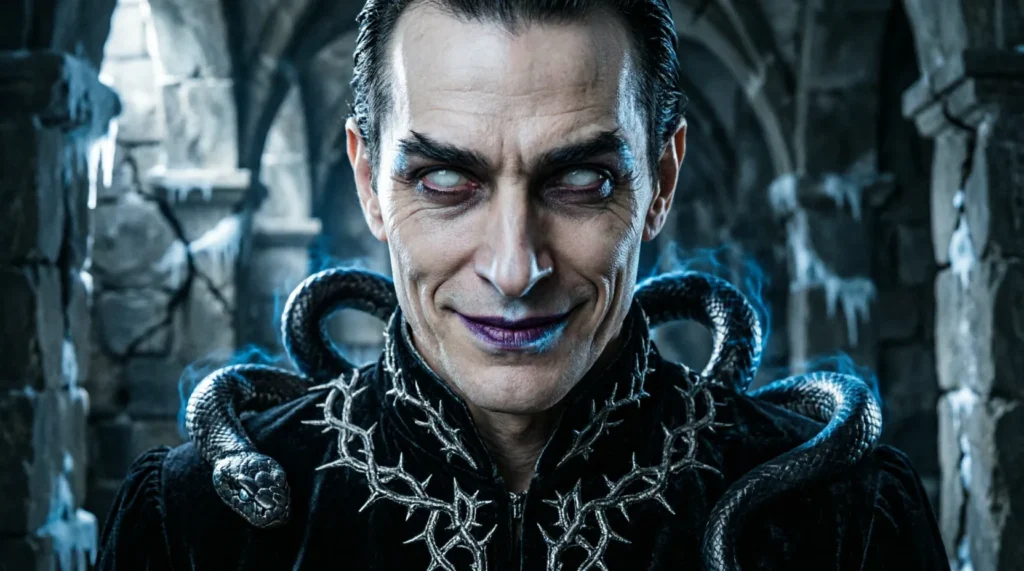
In short, similes for evil characters are comparisons that help writers describe villains, antagonists, and dark personalities in vivid and memorable ways. They make characters feel more frightening, mysterious, cruel, or dangerous. Keep reading to discover creative examples, writing tips, and fun activities that will help you bring your villains to life.
What Are the Similes for Evil Characters? (And Why They Matter)
Have you ever stared at a blank page while trying to describe a villain? Maybe your teacher asked you to write a story, and all you could think of was, “He was evil.” While that’s a start, it doesn’t create a strong image in your reader’s mind.
Similes for evil characters compare a villain or wicked person to something else using words such as “like” or “as.” These comparisons help readers picture the character’s personality, actions, or appearance more clearly.
For example, saying “He was as cold as a frozen lake” creates a much stronger image than simply saying “He was mean.” Your readers can almost feel the character’s lack of emotion.
Language arts educators and literacy researchers often encourage students to use similes because they improve descriptive writing, reading comprehension, and storytelling skills. When you use strong similes, your characters become more memorable and believable.
Now that you know what they are, let’s explore some powerful examples you can use in your own writing.
The Best Examples of the Similes for Evil Characters
As cold as ice hidden beneath winter snow.
Like a wolf stalking its prey in the darkness.
As cruel as a storm tearing through a village.
Like a shadow creeping across a moonlit wall.
As heartless as a machine with no feelings.
Like a snake waiting silently to strike.
As dark as a cave untouched by sunlight.
Like a spider weaving traps for unsuspecting victims.
As dangerous as a wildfire driven by strong winds.
Like poison spreading through clear water.
As sharp as a dagger freshly sharpened.
Like a vulture circling over weakness.
As silent as a hunter hiding in the night.
Like a thundercloud gathering before disaster.
As bitter as spoiled medicine.
Like a shark sensing blood in the ocean.
As wicked as a curse whispered in secret.
Like smoke slipping through locked doors.
As ruthless as a lion defending its territory.
Like a puppet master controlling every move.
As frightening as a nightmare that won’t end.
Like a crow watching from a dead tree.
As merciless as crashing ocean waves.
Like a trap hidden beneath fallen leaves.
As sinister as laughter echoing through an empty hallway.
These examples work well because they create clear mental pictures. Readers can easily connect the villain’s traits to familiar images from nature, animals, weather, and everyday life.
Good similes also create emotional reactions. When you compare a villain to poison, a snake, or a storm, readers immediately sense danger and tension.
How to Use the Similes for Evil Characters in Your Writing
Using similes for evil characters becomes much easier when you follow a few simple steps.
Choose the villain’s strongest trait. Ask yourself whether your character is cruel, sneaky, manipulative, scary, or heartless. The simile should match that trait.
Compare the trait to something familiar. Think about animals, weather, objects, or situations that share the same quality. A sneaky villain might be “like a fox slipping through the woods.”
Place the simile where it adds impact. Use it during important scenes instead of adding similes to every sentence.
Make the comparison specific. Instead of saying “as bad as a bad person,” create a vivid image readers can picture.
Example:
“Lord Varrick stood at the castle gate, as silent as a hunter hiding in the night, watching every movement below.”
When you use similes carefully, your villains become far more interesting and believable.
Similes for Evil Characters in Poems and Stories
Poets and storytellers often use similes for evil characters to create mood, build suspense, and help readers feel emotion. A well-placed simile can make a villain seem unforgettable.
Here are a few examples:
Aisha watched the stranger pass.
Like a shadow across a grave, He moved without a sound, Leaving fear behind.
Mateo stepped backward.
The old wizard smiled, As cold as ice beneath winter stone, And the room suddenly felt smaller.
Priya gripped her lantern tightly.
The queen’s voice slithered through the hall Like a snake moving through tall grass, Quiet but dangerous.
Creative writing teachers often encourage students to experiment with similes because they add rhythm, imagery, and emotional depth. When you read stories with memorable villains, you’ll often find powerful comparisons hidden in the descriptions.
Common Mistakes Students Make With the Similes for Evil Characters
Using random comparisons Sometimes students choose a comparison that doesn’t match the villain’s personality. Make sure the simile connects directly to the character’s traits.
Overusing similes Adding a simile in every sentence can make your writing feel crowded. Choose a few strong comparisons instead.
Making comparisons too obvious Phrases like “as evil as an evil person” don’t create interesting imagery. Look for unique comparisons that paint a picture.
Forgetting the story context A villain in a fantasy story may need different similes than a villain in a modern mystery. Match the comparison to your setting.
Using confusing imagery If readers can’t understand the comparison quickly, the simile loses its impact. Keep your imagery clear and meaningful.
Making mistakes is completely normal. Every writer improves by practicing and experimenting with new ideas.
Fun Activities to Practice the Similes for Evil Characters
Villain Description Challenge Grab a pencil and describe a fictional villain using five different similes. Try to focus on different traits each time.
Draw and Write Create a picture of an evil character and then write three similes that match the drawing.
Story Swap Game Work with a friend. Each person creates a villain and writes three similes. Then swap papers and guess the villain’s personality.
Reading Detective Find a favorite novel and search for similes describing villains. Notice how the author uses comparisons to create mood.
Simile Worksheet Race Set a timer for five minutes and see how many original similes you can create for different types of evil characters.
Movie Villain Inspiration Watch a family-friendly movie with a villain and write down similes that could describe the character’s actions, voice, or appearance.
These activities help you build confidence while making figurative language feel fun and creative.
What NOT to Do With the Similes for Evil Characters
Don’t use the same simile repeatedly. Readers may become bored if every villain is “as cold as ice.” Try creating fresh comparisons.
Don’t force a simile into every description. Sometimes a simple sentence works better than an unnecessary comparison.
Don’t confuse similes with metaphors. Similes use words like “like” or “as.” Metaphors make a direct comparison without those words.
Don’t assume all evil characters are the same. Some villains are sneaky, others are powerful, and some are manipulative. Choose similes that fit the specific character.
Learning what to avoid can make your writing stronger and more effective.
Frequently Asked Questions About the Similes for Evil Characters
What is a simile for an evil character?
A simile for an evil character is a comparison that uses “like” or “as” to describe a villain. For example, “like a snake waiting to strike” helps readers imagine a sneaky and dangerous person.
How do you use similes for evil characters in a sentence?
You can place the simile directly into a description. For example: “The villain smiled like a spider weaving a trap.” This creates a vivid image for your reader.
Why do writers use similes for evil characters?
Writers use them to make villains more memorable and engaging. Similes help readers picture emotions, actions, and personality traits more clearly.
What is the difference between a simile and a metaphor for evil characters?
A simile uses words such as “like” or “as.” A metaphor makes a direct comparison. For example, “He was like a wolf” is a simile, while “He was a wolf among men” is a metaphor.
Are similes for evil characters appropriate for students?
Yes. They are commonly used in school writing assignments, creative stories, poetry, and reading activities. They help students improve descriptive writing and build stronger storytelling skills.
Final Thoughts on the Similes for Evil Characters
Learning to use similes for evil characters can transform simple descriptions into powerful storytelling. Instead of telling readers that a villain is bad, you can show their personality through vivid comparisons.
In this guide, you explored what these similes are, why they matter, and how they can strengthen poems, stories, and classroom assignments. You also discovered more than twenty examples that you can adapt for your own writing.
Remember that the best similes create clear images and strong emotions. When you choose comparisons that match your villain’s personality, your readers will instantly understand the character.
With practice, creativity, and a little imagination, you can write villains that feel unforgettable. Keep experimenting, keep writing, and enjoy the journey of becoming a stronger storyteller.
Sara Liu holds a Master’s degree in English Education from the University of Washington and has been an educator for over 15 years. She specializes in curriculum development for elementary and middle school students, with a particular focus on figurative language. Sara’s love for similes and metaphors blossomed when she discovered their power to spark imagination and convey emotion. At SimilePedia, Sara creates engaging worksheets and reference guides that help young learners grasp the nuances of figurative language. Her favorite part of writing content is developing resources that make complex concepts accessible to children. She is passionate about nurturing a love for words and creativity in her students, and her contributions are shaped by this commitment.