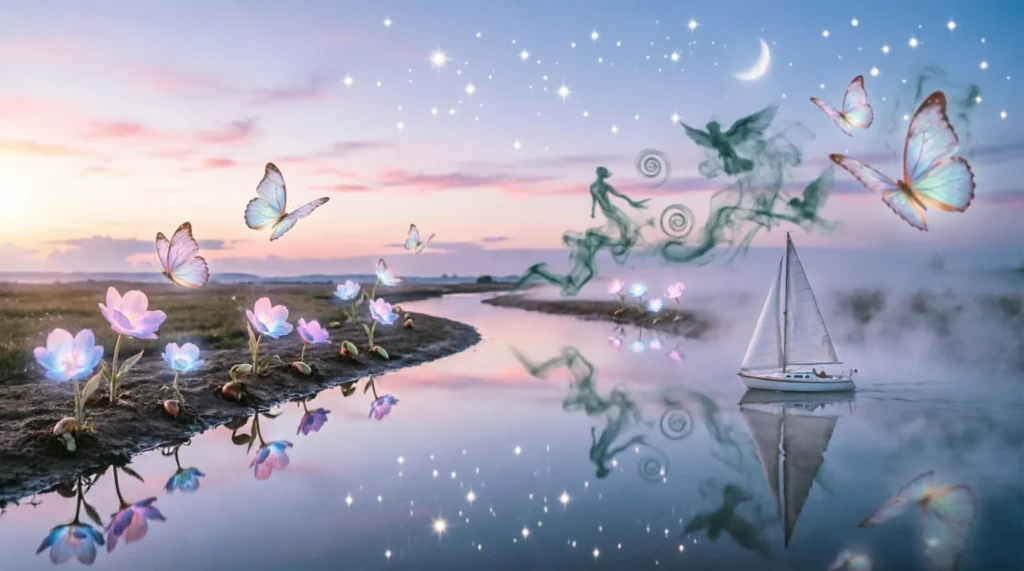
In short, similes for dream are creative comparisons that help you describe dreams, hopes, and dreamy feelings in vivid ways. You’ll find examples, writing tips, common mistakes, and fun activities that can make your stories and poems more memorable. Keep reading to discover fresh ideas you can use right away.
What Are the Similes for Dream? (And Why They Matter)
[IMAGE: Student thinking about dreams while writing in a notebook]
Have you ever stared at a blank page because you wanted to describe a dream but couldn’t find the right words? Maybe your teacher asked for figurative language, or you wanted your story to sound more magical.
Similes for dream are comparisons that use words like “as” or “like” to describe dreams, hopes, or dreamlike experiences. They help you paint pictures with words and make your writing easier for readers to imagine.
These comparisons matter because they make stories, poems, and essays more interesting. They can also help you in language arts assignments, reading comprehension activities, and creative writing projects.
According to literacy educators and language arts researchers, figurative language helps students express emotions and ideas more clearly. When you use vivid comparisons, your writing becomes easier to remember and more enjoyable to read.
Now that you know why these expressions matter, let’s explore some creative examples you can use.
The Best Examples of Similes for Dream
[IMAGE: Clouds, stars, and colorful dream imagery]
A dream floated through her mind like a feather in the wind.
His dream was as bright as the morning sun.
My dream felt like a movie playing behind my eyes.
Her hopes were like stars shining in the night sky.
The dream disappeared like mist at sunrise.
His imagination was as endless as the ocean.
My dream drifted like a cloud across the sky.
Her dream was like a hidden treasure waiting to be found.
The memory of the dream was as soft as cotton.
His dream sparkled like diamonds under moonlight.
The strange dream twisted like smoke in the air.
My dream felt like a magical adventure.
Her dream was as colorful as a rainbow after rain.
The dream faded like an old photograph.
His hopes were like balloons rising higher and higher.
My dream was as peaceful as a sleeping kitten.
Her dream danced like leaves in the autumn breeze.
The dream felt like a secret whispered by the stars.
His dream shone like a lighthouse in the darkness.
My dream moved like waves on a calm sea.
Her imagination was as wild as a butterfly garden.
The dream was like a puzzle waiting to be solved.
His dream grew like a tree reaching toward the sky.
My dream was as sweet as honey.
Her dream glowed like a lantern on a quiet night.
Some of these examples sound poetic, while others feel playful or comforting. Good similes for dream create strong imagery and help readers feel emotions more deeply.
The best comparisons appeal to the senses and make abstract ideas easier to understand. That’s why writers and creative writing teachers often encourage students to experiment with vivid images.
How to Use the Similes for Dream in Your Writing
You can create stronger stories and essays when you use figurative language thoughtfully. Here are some easy steps you can follow.
Think about how the dream feels. Is it happy, mysterious, exciting, or scary?
Choose something familiar to compare it with. You might use stars, clouds, oceans, or music.
Use “like” or “as” naturally instead of forcing the comparison.
Read your sentence aloud to see whether it sounds smooth and interesting.
Example:
“Mina’s dream floated like a paper lantern across the dark sky.”
When you use similes for dream, your descriptions become more colorful and easier for readers to imagine. Next, let’s see how writers use them in poems and stories.
Similes for Dream in Poems and Stories
[IMAGE: Open poetry book beneath a moonlit sky]
Writers often use similes for dream to create emotion and beauty. They appear naturally in poems, songs, and stories.
Aisha wrote:
“My dreams drifted like snowflakes in the winter night, Quiet and soft, hidden from sight.”
Diego imagined:
“His dream shone like a tiny candle. Even in the storm, it never went out.”
Priya described:
“The dream fluttered like a butterfly around her thoughts. She smiled before falling asleep again.”
Poets and authors use these comparisons because they add rhythm, emotion, and imagery. They help readers connect with feelings that might otherwise be difficult to explain.
Common Mistakes Students Make With the Similes for Dream
Everyone makes mistakes while learning figurative language. Here are some common ones and how you can avoid them.
Using comparisons that don’t make sense. Saying “My dream was like a refrigerator” might confuse readers unless the comparison has a clear meaning.
Forgetting to use “like” or “as.” Without those words, your sentence may become a metaphor instead of a simile.
Making the comparison too complicated. Simple images often work better and are easier for readers to understand.
Using the same simile over and over. Repeating “like a cloud” too many times can make your writing feel dull. Try different images.
Describing dreams without emotion. Since dreams often involve feelings and imagination, choosing emotional imagery helps your writing sound stronger.
These mistakes are completely normal, and with practice, you’ll become more confident.
Fun Activities to Practice the Similes for Dream
[IMAGE: Students creating colorful dream illustrations]
Create a Dream Journal. Grab a pencil and write one dream each morning. Add a simile to describe how it felt.
Play the Comparison Game. In groups, take turns finishing sentences such as “My dream was like…” and see who creates the most imaginative answer.
Draw and Describe. Draw a dream scene and write three similes for dream underneath your picture.
Read Poetry Together. Find poems with dream imagery and identify similes you notice.
Challenge Yourself. Write five different similes using stars, oceans, birds, or clouds as inspiration.
Make a Worksheet. Create fill-in-the-blank sentences and ask friends or classmates to complete them with their own comparisons.
Practicing regularly will help you discover new ideas and make creative writing more enjoyable.
What NOT to Do With the Similes for Dream
Don’t believe that dream similes must always be serious. Funny comparisons can make your writing memorable too.
Don’t copy examples exactly every time. Creating your own comparisons makes your work more original.
Don’t make every sentence a simile. Too many comparisons can overwhelm readers.
Don’t assume dreams always have happy meanings. Similes for dream can describe strange, confusing, exciting, or even scary experiences.
Understanding these habits can help you use figurative language more effectively.
Frequently Asked Questions About the Similes for Dream
What is a simile for dream?
A simile for dream compares dreams or dreamlike feelings to something else using “like” or “as.” For example, “Her dream floated like a feather in the wind.” These comparisons make writing more vivid.
How do you use similes for dream in a sentence?
You can describe emotions or events by adding a comparison. For example, “His dream shone like a distant star guiding him through the darkness.”
What is the difference between a dream simile and a dream metaphor?
A simile uses “like” or “as” to make a comparison. A metaphor says something is another thing without using those words. Both create imagery, but they work differently.
Why do writers use similes for dream?
Writers use them to express emotions, create vivid scenes, and help readers imagine experiences more clearly. Creative writing teachers often encourage students to use them because they add personality and beauty.
Are similes for dream suitable for school assignments?
Yes. They are useful in poems, stories, essays, and language arts activities. They can help you show creativity while improving your descriptive writing skills.
Final Thoughts on the Similes for Dream
Learning similes for dream can make your writing more imaginative and expressive. Whether you’re writing a poem, story, or homework assignment, these comparisons help readers see what you imagine.
You discovered examples, learned how to use them, and explored ways to practice. You also saw common mistakes and simple ways to avoid them.
Literacy researchers and creative writing teachers agree that strong imagery helps students communicate ideas more clearly. Every new comparison you create strengthens your writing skills.
Keep experimenting with words, trust your imagination, and remember that creative writing is something you can improve with practice. Happy writing, and enjoy turning your dreams into beautiful words.
Sara Liu holds a Master’s degree in English Education from the University of Washington and has been an educator for over 15 years. She specializes in curriculum development for elementary and middle school students, with a particular focus on figurative language. Sara’s love for similes and metaphors blossomed when she discovered their power to spark imagination and convey emotion. At SimilePedia, Sara creates engaging worksheets and reference guides that help young learners grasp the nuances of figurative language. Her favorite part of writing content is developing resources that make complex concepts accessible to children. She is passionate about nurturing a love for words and creativity in her students, and her contributions are shaped by this commitment.