In short, similes for volcanoes are comparisons that use the words “like” or “as” to describe volcanoes, eruptions, lava, or explosive emotions in vivid ways. You’ll discover creative examples, writing tips, and fun practice ideas that will help your descriptions become more exciting and memorable.
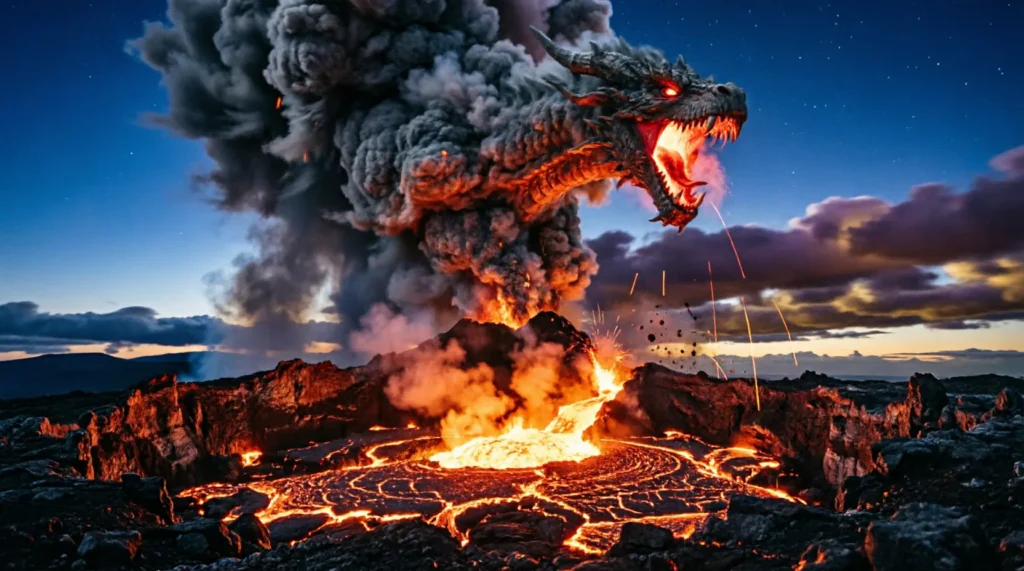
[IMAGE: A dramatic volcano erupting with glowing lava and ash against a colorful sunset]
What Are Similes for Volcanoes? (And Why They Matter)
Have you ever stared at a writing assignment, knowing you wanted to describe a volcano but feeling stuck on the right words? Maybe your teacher asked you to use figurative language, and every sentence sounded plain. If that sounds familiar, you’re not alone.
Similes for volcanoes compare volcanoes or volcanic features to something else using the words “like” or “as.” These comparisons help your reader picture the power, heat, color, movement, or danger of a volcano.
When you use similes, your writing becomes more colorful and easier to imagine. Whether you are writing a science report, a story, a poem, or preparing for an English exam, good similes make your ideas stand out.
Language arts researchers and literacy educators often encourage students to practice similes because they strengthen descriptive writing, reading comprehension, and creative thinking. Once you learn a few examples, you can begin creating your own with confidence.
Now that you know what they are, let’s explore some of the best examples you can use in your own writing.
The Best Examples of Similes for Volcanoes
The volcano roared like a furious dragon waking from a long sleep.
Lava flowed like glowing honey down the mountainside.
The eruption exploded like thousands of fireworks filling the sky.
Smoke rose like a giant gray umbrella above the mountain.
The mountain stood as silent as a sleeping giant before the eruption.
Ash floated like soft snowflakes drifting through the air.
The lava was as bright as melted gold.
The volcano shook like a drum during a loud parade.
The crater looked like a giant bowl carved into the earth.
Molten rock moved like thick syrup across the ground.
The eruption was as loud as thunder echoing through the valley.
The mountain burst like a shaken soda bottle.
Steam curled upward like dancing ghosts in the wind.
The lava glowed like a river of fire.
Rocks flew like shooting stars across the sky.
The volcano waited like a patient lion before attacking.
The ash cloud spread like a dark blanket over the town.
The crater opened like a giant mouth ready to roar.
The eruption came as suddenly as a lightning strike.
The lava crawled like a glowing snake through the valley.
The volcano towered like a mighty castle over the landscape.
The mountain rumbled like an angry stomach before breakfast.
The smoke twisted like ribbons in the breeze.
The heat was as fierce as the summer sun.
The volcano awakened like an alarm clock after centuries of silence.
These examples work well because they help your reader imagine sights, sounds, movement, and emotions. Instead of simply saying a volcano erupted, you create vivid pictures that bring your writing to life through strong imagery and sensory details.
Let’s look at how you can use these comparisons naturally in your own writing.
How to Use Similes for Volcanoes in Your Writing
Think about what makes the volcano special. Is it loud, hot, glowing, dangerous, or peaceful before an eruption? Choose a comparison that matches that feature.
Use familiar objects. Your reader will understand your description more easily if you compare the volcano to something they already know, such as fireworks, honey, or thunder.
Don’t overuse similes. One or two strong comparisons in a paragraph usually make a bigger impact than filling every sentence with them.
Match the mood of your story. If you want your writing to feel exciting, choose energetic similes. If you want it to feel mysterious, choose quieter comparisons.
Example:
“The volcano rumbled like a giant drum, warning everyone that something powerful was about to happen.”
As you practice, you’ll discover that choosing the right comparison becomes easier every time you write.
Similes for Volcanoes in Poems and Stories
Poets and authors often use similes to create emotion, rhythm, and unforgettable images. You can do the same in your own creative writing.
Amina wrote:
“The volcano glowed like a lantern at night, Lighting the valley with fiery light.”
Mateo imagined:
“The mountain slept like an old bear. Then it woke with a roar that shook the air.”
Priya described her adventure story:
“The lava flowed like glowing ribbons across the rocks, and I knew the mountain had finally found its voice.”
These short examples show how similes make poems and stories more vivid. Creative writing teachers often encourage students to experiment with different comparisons until they find the one that feels just right.
Before you finish your next assignment, it’s also helpful to know what mistakes to avoid.
Common Mistakes Students Make With Similes for Volcanoes
Using comparisons that don’t fit Comparing lava to something cold or calm can confuse your reader. Make sure your comparison matches the volcano’s qualities.
Forgetting the words “like” or “as” Without these words, your sentence usually becomes a metaphor instead of a simile.
Using too many similes together It can be tempting to add one in every sentence, but your writing becomes stronger when each simile has a purpose.
Choosing boring comparisons Saying a volcano is “like a mountain” doesn’t add much detail. Challenge yourself to think of more interesting images.
Ignoring the stage of the volcano A quiet volcano and an erupting volcano look very different. Pick a simile that matches the volcano’s actual behavior.
Everyone makes these mistakes while learning. The good news is that each one becomes easier to fix with practice.
Fun Activities to Practice Similes for Volcanoes
Grab a pencil and create a volcano word web. Write “volcano” in the center, then surround it with words like lava, smoke, heat, ash, and fire. Turn each word into a simile.
Play the Comparison Challenge. With a friend or classmate, take turns creating new volcano similes. See who can think of the most creative comparison.
Draw and describe. Sketch a volcano, then write five different similes about what you see, hear, or imagine.
Read adventure stories. As you read, look for figurative language. Notice how authors describe mountains, eruptions, and dramatic landscapes.
Create your own worksheet. Write ten plain volcano sentences, then rewrite each one using a simile. Compare both versions to see how much stronger your writing becomes.
These activities help you build confidence while making figurative language feel fun instead of difficult.
What NOT to Do With Similes for Volcanoes
Don’t believe every simile has to be dramatic. Quiet volcanoes can inspire beautiful, peaceful comparisons too.
Don’t copy every example you find online. Your own original similes often make your writing more interesting and personal.
Don’t confuse similes with metaphors. Remember that similes use “like” or “as” to make comparisons.
Don’t assume volcanoes only symbolize destruction. They can also represent change, power, creation, new beginnings, or hidden emotions depending on your writing.
Now that you know what to avoid, let’s answer some common questions students often ask.
Frequently Asked Questions About Similes for Volcanoes
What is a simile for a volcano?
A simple example is, “The volcano roared like a dragon.” This comparison helps readers imagine the volcano’s power and loud eruption through familiar imagery.
How do you use similes for volcanoes in a sentence?
You can describe the volcano’s appearance, sound, movement, or heat. For example, “The lava flowed like glowing honey down the mountain.”
What is the difference between a simile and a metaphor for volcanoes?
A simile uses “like” or “as,” such as “The volcano was like a sleeping giant.” A metaphor says the volcano is something else directly, such as “The volcano was a sleeping giant.”
Are similes for volcanoes suitable for middle school students?
Yes. They are perfect for Grades 5 through 8 because they help students practice descriptive writing while learning how figurative language creates stronger imagery.
Why do writers use similes for volcanoes?
Writers use them to help readers picture eruptions, lava, smoke, and powerful emotions more clearly. Strong similes also make stories, poems, and essays more memorable and enjoyable to read.
Final Thoughts on Similes for Volcanoes
Learning similes for volcanoes gives you an exciting way to describe one of nature’s most powerful wonders. Whether you are writing about glowing lava, towering mountains, or explosive eruptions, the right comparison helps your reader picture every detail.
You have explored creative examples, learned how to use them effectively, discovered common mistakes, and practiced fun activities that build your writing skills. Each new simile you create helps you become a more confident writer.
Remember that the best similes come from careful observation and a little imagination. Don’t be afraid to experiment with your own ideas and compare volcanoes to unexpected but meaningful images.
With practice, your descriptions will become more vivid, your stories more exciting, and your creative voice stronger. Keep writing, keep imagining, and enjoy watching your ideas erupt with creativity.
Liam is a language enthusiast and lead writer at Similepedia.com, where he focuses on creating clear, creative, and easy-to-use similes for everyday writing. He specializes in turning simple ideas into vivid comparisons that make sentences more engaging, expressive, and memorable.
Instead of overcomplicating language with technical jargon, Liam approaches similes as practical tools for better communication. He breaks down how comparisons work, when to use them, and how to make them sound natural — not forced or awkward.
He pays close attention to tone, context, and clarity, ensuring every simile fits smoothly into real sentences. From fun and playful comparisons to more descriptive and expressive ones, Liam helps readers improve how they write, speak, and express ideas.
At Similepedia.com, his mission is simple: make language more colorful and effective without making it complicated. He doesn’t just list similes — he helps readers understand how to use them confidently in real situations.