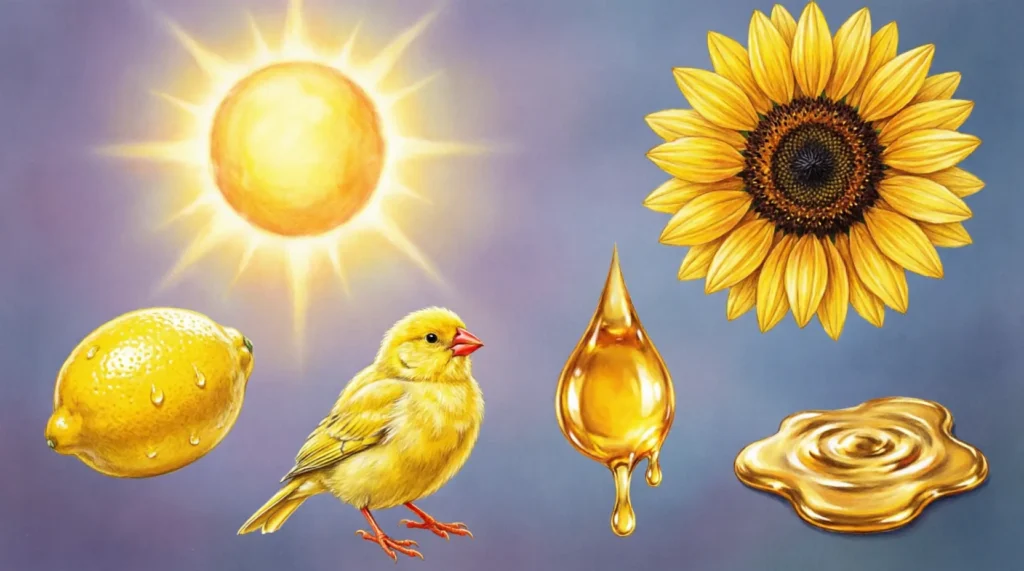
In short, similes for the color yellow compare something yellow to another familiar object using words like “as” or “like.” They help you create vivid pictures in your reader’s mind, making descriptions brighter, more memorable, and more creative. Keep reading to discover examples, writing tips, and fun practice ideas you can use right away.
What Are Similes for the Color Yellow? (And Why They Matter)
Have you ever stared at a blank page, knowing you wanted to describe something yellow but couldn’t think of the right words? Maybe your teacher asked for stronger descriptions, or you wanted your story to feel more colorful. You’re not alone—many students run into this challenge.
Similes for the color yellow compare the color yellow to something familiar by using words such as “like” or “as.” They make your writing easier to imagine because readers can connect your description to something they already know.
When you use colorful comparisons, your stories, poems, and essays become more interesting. Instead of simply saying “the flower was yellow,” you can help your readers picture exactly what you mean.
According to literacy educators and language arts researchers, descriptive comparisons improve reading comprehension and creative expression because they encourage readers to visualize what they read. Now let’s explore some bright examples you can add to your own writing.
The Best Examples of Similes for the Color Yellow
[IMAGE: Bright yellow objects like the sun, lemons, sunflowers, and gold beside writing materials]
Here are some vivid similes for the color yellow that students, teachers, and writers can enjoy:
As yellow as the morning sun.
As yellow as a ripe lemon.
As yellow as a field of blooming sunflowers.
As yellow as fresh butter.
As yellow as golden honey.
As yellow as a baby chick.
As yellow as a school bus.
As yellow as sweet corn.
As yellow as a glowing candle flame.
Like a banana waiting to be peeled.
Like golden wheat dancing in the breeze.
Like bright autumn leaves kissed by sunshine.
Like sparkling gold in the light.
As yellow as a daffodil in spring.
As yellow as pineapple flesh.
Like a canary singing in the sunshine.
As yellow as a rubber duck.
Like melted gold flowing through a river.
As yellow as warm popcorn.
Like a cheerful smile on a sunny day.
As yellow as a tennis ball.
Like golden sand beside the sea.
As yellow as egg yolk.
Like the soft glow of a lantern.
As yellow as a marigold flower.
These examples work well because they create strong mental pictures. Some use everyday objects you see often, while others add emotion or beauty. The more clearly your reader can imagine the comparison, the more effective your simile becomes.
How to Use Similes for the Color Yellow in Your Writing
You don’t have to be an expert writer to use similes for the color yellow well. Follow these simple steps whenever you want your descriptions to stand out.
Pick something yellow that most people recognize, such as a lemon, sunflower, or school bus.
Think about the mood you want to create. A candle gives a soft feeling, while the sun feels powerful and energetic.
Connect your comparison with “like” or “as.” Keep your simile simple enough for your readers to understand quickly.
Read your sentence aloud. If it paints a clear picture, you’ve probably chosen a strong comparison.
Example:
“The butterfly’s wings were as yellow as a sunflower, glowing in the afternoon sunshine.”
As you practice, you’ll notice that choosing the right comparison helps your writing sound more natural and expressive.
Similes for the Color Yellow in Poems and Stories
Poets and authors often use similes for the color yellow to create emotion, rhythm, and beautiful imagery. These comparisons help readers see scenes more clearly and connect with the story.
Aisha wrote:
“The sky smiled at dawn, as yellow as fresh butter, welcoming every bird to sing.”
Mateo described a treasure hunt:
“The old map glowed like melted gold. We knew we were getting closer with every step.”
Priya shared this in her poem:
“The daffodils stood as yellow as tiny suns, laughing in the spring breeze.”
Creative writing teachers encourage students to use comparisons like these because they turn simple descriptions into memorable moments that readers can picture long after they finish reading.
Now that you’ve seen these examples in action, let’s look at a few common mistakes you can easily avoid.
Common Mistakes Students Make With Similes for the Color Yellow
Choosing comparisons that aren’t really yellow. Saying something is “as yellow as the sky” usually doesn’t work unless you’re describing a special sunset. Pick objects that are naturally yellow.
Using too many similes in one paragraph. A few strong comparisons make your writing shine. Too many can distract your readers.
Making comparisons that are confusing. If your reader has never seen the object you’re comparing to, the simile may lose its impact. Choose familiar examples whenever possible.
Repeating the same simile every time. It’s easy to write “as yellow as the sun” again and again. Try lemons, butter, daffodils, or gold to keep your writing fresh.
Forgetting the feeling behind the color. Yellow can suggest happiness, warmth, hope, or energy. Think about the emotion you want your comparison to create before you write.
Once you avoid these common mistakes, you’ll find it much easier to create colorful descriptions that readers enjoy.
Fun Activities to Practice Similes for the Color Yellow
Yellow Object Hunt Grab a pencil and walk around your classroom or home. Find ten yellow objects and write a different simile for each one.
Picture Challenge Look at a photo filled with yellow flowers, birds, or fruit. Challenge yourself to write five original similes inspired by the picture.
Story Swap Play with a friend by writing a short paragraph using three similes for the color yellow. Exchange stories and see which comparisons create the strongest images.
Draw and Describe Draw something bright and yellow, then write three descriptive sentences using different similes. Combining art and writing helps you remember new ideas.
Reading Detective Read a favorite book or poem and see if you can find any similes about yellow or other colors. Think about why the author chose those comparisons.
These activities help you practice without making writing feel like hard work. The more you experiment, the more confident you’ll become.
What NOT to Do With Similes for the Color Yellow
Don’t assume every yellow comparison should mention the sun. While it’s a classic example, using different comparisons makes your writing more interesting.
Don’t force a simile into every sentence. Similes work best when they add something meaningful, not when they’re used everywhere.
Don’t compare yellow to objects that are usually another color. Readers may become confused if the comparison doesn’t make sense.
Don’t copy every example you find online. Use examples for inspiration, then create your own original comparisons that match your story or poem.
By avoiding these habits, your writing will sound more natural and creative.
Frequently Asked Questions About Similes for the Color Yellow
What is a good simile for the color yellow?
A classic example is “as yellow as the sun.” Other excellent choices include “as yellow as a lemon,” “as yellow as a sunflower,” or “like melted gold.” Choose the comparison that best fits your scene and mood.
How do you use similes for the color yellow in a sentence?
Simply compare something yellow to another familiar yellow object. For example, “Her raincoat was as yellow as a ripe lemon.” This helps readers imagine the color more clearly.
What is the difference between a simile and a metaphor for the color yellow?
A simile uses words like “like” or “as” to compare two things. A metaphor says one thing is another without using those comparison words. For example, “The flower was as yellow as butter” is a simile, while “The flower was liquid gold” is a metaphor.
Are similes for the color yellow suitable for elementary and middle school students?
Yes. These comparisons are excellent for students because they build descriptive writing skills and encourage creative thinking. You can start with simple comparisons and gradually create more original ones as your confidence grows.
Why do writers use similes for the color yellow?
Writers use them to create vivid imagery and stronger emotions. Instead of simply naming a color, they help readers picture scenes, characters, and objects in a more memorable way.
Final Thoughts on Similes for the Color Yellow
Learning similes for the color yellow is a simple way to make your writing brighter and more engaging. Whether you’re describing flowers, birds, sunshine, or clothing, the right comparison helps readers see exactly what you imagine.
You have explored dozens of examples, learned how to use them naturally, discovered common mistakes, and practiced with creative activities. Every new comparison adds another useful tool to your writing toolbox.
Remember that the best similes are the ones that feel clear, original, and meaningful. As you read more stories and poems, you’ll discover even more colorful comparisons to inspire your own ideas.
Keep practicing, keep experimenting, and don’t be afraid to invent your own bright comparisons. With a little creativity, your writing will become more vivid every time you put pencil to paper.
Liam is a language enthusiast and lead writer at Similepedia.com, where he focuses on creating clear, creative, and easy-to-use similes for everyday writing. He specializes in turning simple ideas into vivid comparisons that make sentences more engaging, expressive, and memorable.
Instead of overcomplicating language with technical jargon, Liam approaches similes as practical tools for better communication. He breaks down how comparisons work, when to use them, and how to make them sound natural — not forced or awkward.
He pays close attention to tone, context, and clarity, ensuring every simile fits smoothly into real sentences. From fun and playful comparisons to more descriptive and expressive ones, Liam helps readers improve how they write, speak, and express ideas.
At Similepedia.com, his mission is simple: make language more colorful and effective without making it complicated. He doesn’t just list similes — he helps readers understand how to use them confidently in real situations.