In short, similes for bad weather are creative comparisons that help you describe storms, wind, rain, snow, and gloomy skies in a more vivid and memorable way. Whether you’re writing a story, poem, or school assignment, you’ll find plenty of fresh examples and practical tips below to make your writing stronger.
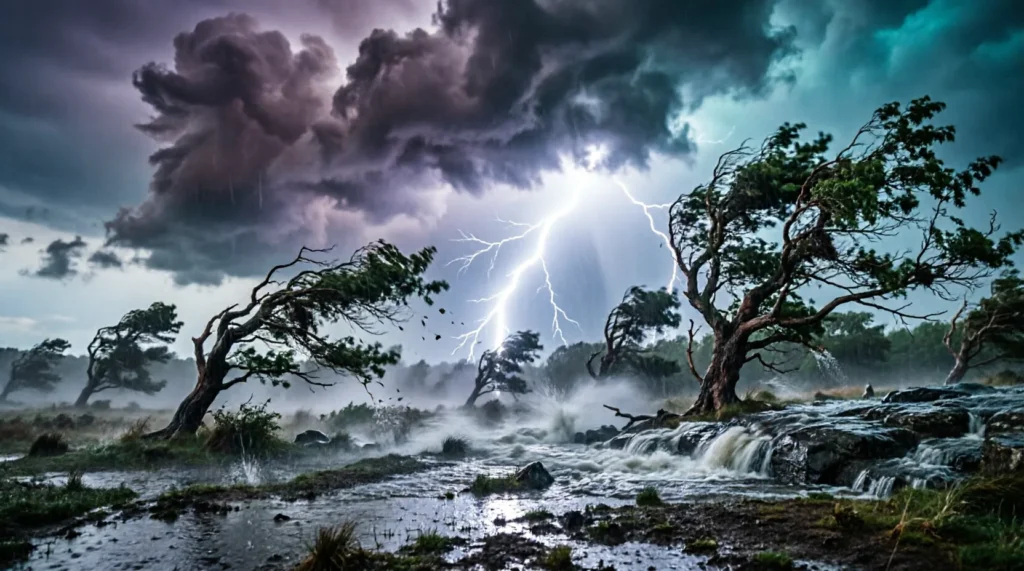
[IMAGE: Dark storm clouds gathering over a countryside with rain and lightning]
What Are Similes for Bad Weather? (And Why They Matter)
Have you ever stared at a blank page because you knew it was raining in your story but couldn’t think of an interesting way to describe it? Or maybe your teacher asked you to use figurative language, and every sentence sounded the same. If that sounds familiar, you’re not alone.
Similes for bad weather compare stormy or unpleasant weather to something else using the words “like” or “as.” They help readers picture what the weather feels, looks, or sounds like instead of simply saying, “It was stormy.”
These comparisons make your writing more exciting. Whether you’re writing for class, preparing for an exam, or creating your own stories, similes help your ideas come alive. Literacy educators often encourage students to use similes because they strengthen descriptive writing and improve reading comprehension.
As you explore the examples below, you’ll discover how a simple comparison can turn an ordinary weather description into something unforgettable.
The Best Examples of Similes for Bad Weather
The storm rolled in like an angry giant.
Rain fell like buckets pouring from the sky.
The wind howled like a lonely wolf.
The thunder boomed like a giant drum.
Lightning flashed like a camera in the dark.
The clouds gathered like a thick gray blanket.
The hail bounced like marbles on a floor.
The sky looked as dark as charcoal.
The rain hit the roof like tiny marching soldiers.
The wind swept through the trees like a runaway train.
The storm clouds moved like an army marching forward.
The icy wind felt like hundreds of tiny needles.
The rain poured like a waterfall.
The fog spread like spilled milk.
The snow fell like soft feathers drifting down.
The storm roared like a hungry lion.
The sky looked as gloomy as an abandoned house.
The thunder echoed like crashing rocks.
The rain tapped the windows like impatient fingers.
The clouds hung like heavy curtains.
The wind twisted through the streets like a wild dancer.
The lightning zigzagged like a glowing snake.
The storm chased us like a determined hunter.
The cold air wrapped around us like a wet blanket.
The rain soaked my clothes like I had jumped into a pool.
These similes for bad weather work well because they create strong mental pictures. Instead of simply telling readers that the weather was bad, you help them hear, see, and even feel the storm through imagery and sensory details.
How to Use Similes for Bad Weather in Your Writing
You don’t have to be a professional author to use similes well. With a little practice, you can add them naturally to almost any piece of writing.
Think about what the weather reminds you of. Ask yourself whether the rain sounds, looks, or feels like something familiar.
Choose comparisons your readers can easily imagine. Simple ideas often create the strongest images.
Match the mood of your story. A scary storm should have dramatic similes, while gentle rain may need softer comparisons.
Avoid using too many similes in one paragraph. One or two strong comparisons usually have a bigger impact than several weak ones.
Example:
“The wind screamed like a frightened animal as Mia hurried home before the storm grew worse.”
As you practice, you’ll notice that similes for bad weather become easier to create on your own.
Similes for Bad Weather in Poems and Stories
Poets and story writers use weather to create emotion, build suspense, and help readers imagine each scene. A carefully chosen simile can make an ordinary sentence feel powerful.
Aisha wrote:
“The clouds gathered like giant ships, Waiting to sail across the sky.”
Carlos described his adventure:
“The rain chased us like playful puppies until we reached the old cabin.”
Mei ended her poem with:
“Thunder rolled like drums, While hope shined like a tiny candle.”
Creative writing teachers often encourage students to experiment with weather similes because they help readers connect emotionally with a scene. Once you begin noticing them in books and poems, you’ll start using them more naturally yourself.
Common Mistakes Students Make With Similes for Bad Weather
Forgetting to use “like” or “as.”Without these comparison words, your sentence may become a metaphor instead of a simile.
Choosing confusing comparisons.If readers cannot picture the comparison, the simile loses its effect. Keep your images clear and familiar.
Using too many similes together.Filling every sentence with comparisons can overwhelm your reader. Pick only the strongest ones.
Using a happy comparison for dangerous weather.A fierce thunderstorm usually shouldn’t be compared to something cheerful unless you want a humorous effect.
Repeating the same simile over and over.Try creating fresh comparisons instead of always saying the storm was “like a monster.”
Everyone makes these mistakes while learning. The good news is that you can improve every time you revise your writing.
Fun Activities to Practice Similes for Bad Weather
Weather Picture ChallengeGrab a pencil and choose a picture of a storm. Write five different similes that describe what you see.
Story SwapWork with a friend. Each of you writes a short storm scene using at least three similes, then exchange stories.
Draw and DescribeDraw a rainy or snowy day, then write six similes for bad weather that match your illustration.
Simile HuntRead a chapter from your favorite novel and highlight every simile about weather you can find.
Worksheet RaceCreate two columns—one with weather words and another with objects. Challenge yourself to connect them into creative similes within five minutes.
These activities help you build confidence while making figurative language fun and memorable.
What NOT to Do With Similes for Bad Weather
Don’t force a comparison that doesn’t fit.A simile should feel natural, not confusing.
Don’t copy the same examples every time.Creating your own comparisons makes your writing more original.
Don’t think every weather sentence needs a simile.Sometimes a simple description works better. Use similes when they truly improve the scene.
Don’t confuse similes with metaphors.Remember that similes use “like” or “as,” while metaphors make direct comparisons without those words.
Frequently Asked Questions About Similes for Bad Weather
What is a simile for bad weather?
A simile for bad weather compares storms, rain, wind, or gloomy skies to something else using “like” or “as.” For example, “The thunder roared like a lion.”
How do you use similes for bad weather in a sentence?
Start with the weather you want to describe and compare it to something familiar. For example: “The rain poured like a waterfall all afternoon.”
What is the difference between a simile and a metaphor for bad weather?
A simile uses the words “like” or “as.” A metaphor says one thing is another without those words. Both create vivid descriptions, but they work differently.
Are similes for bad weather good for school writing?
Yes. They help students add detail to stories, essays, poems, and descriptive paragraphs. Language arts educators often recommend using them because they improve creative expression.
Why do writers use similes for bad weather?
Writers use them to help readers imagine storms more clearly and feel the mood of the scene. A strong simile makes writing more memorable and engaging.
Final Thoughts on Similes for Bad Weather
Now you have a wide collection of similes for bad weather that can make your stories, poems, and classroom assignments more interesting. Instead of simply saying the weather was bad, you can paint vivid pictures that readers won’t forget.
Remember that the best similes are simple, clear, and connected to the mood of your writing. As literacy researchers and creative writing teachers often point out, practice is one of the fastest ways to improve descriptive language.
The next time dark clouds gather in your story, challenge yourself to create a comparison that feels fresh and imaginative. Every new simile you write helps you become a more confident writer.
Keep practicing, stay curious, and enjoy discovering just how creative your words can become.
Sara Liu holds a Master’s degree in English Education from the University of Washington and has been an educator for over 15 years. She specializes in curriculum development for elementary and middle school students, with a particular focus on figurative language. Sara’s love for similes and metaphors blossomed when she discovered their power to spark imagination and convey emotion. At SimilePedia, Sara creates engaging worksheets and reference guides that help young learners grasp the nuances of figurative language. Her favorite part of writing content is developing resources that make complex concepts accessible to children. She is passionate about nurturing a love for words and creativity in her students, and her contributions are shaped by this commitment.