In short, similes for elephants are creative comparisons that help you describe an elephant’s size, strength, gentleness, memory, or movement using the words “like” or “as.” They make your writing more vivid and interesting, and you’ll discover plenty of inspiring examples throughout this guide.
What Are the Similes for Elephants? (And Why They Matter)
Have you ever stared at a blank page trying to describe an elephant? Maybe your teacher asked you to use figurative language, but all you could think of was, “The elephant was big.”
That’s where similes for elephants can help. A simile compares one thing to another using words such as “like” or “as” to create a clearer picture in the reader’s mind.
When you use similes, your writing becomes more colorful and engaging. Instead of simply saying an elephant is large, you can compare it to something your reader already knows and understands.
Literacy educators and language arts researchers often encourage students to practice similes because they improve descriptive writing, reading comprehension, storytelling, and creative thinking. Once you learn a few good examples, you’ll find it much easier to bring your writing to life.
Now let’s explore some of the best examples you can use right away.
The Best Examples of the Similes for Elephants
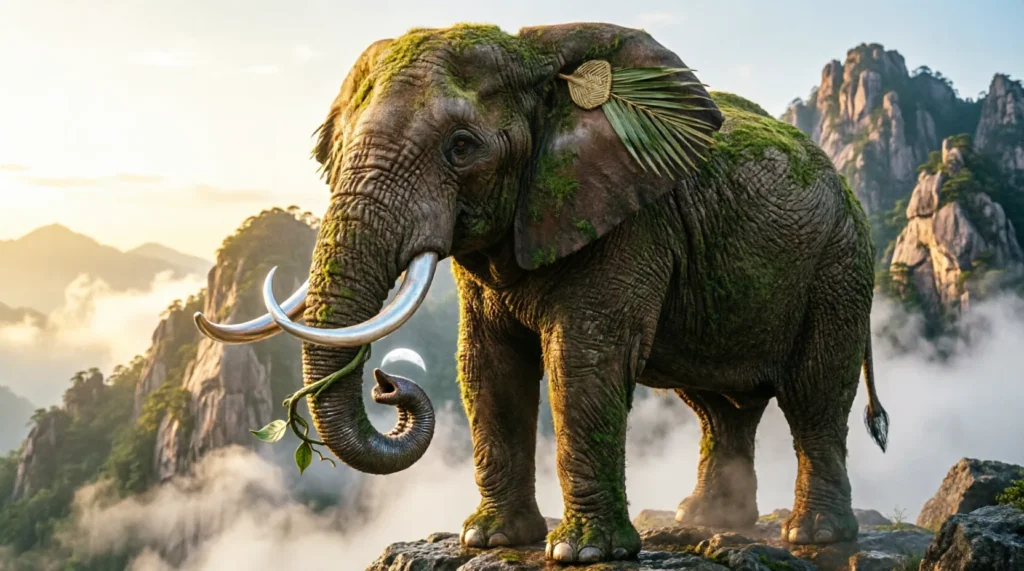
The elephant stood as tall as a moving mountain.
The elephant’s footsteps were like distant thunder rolling across the plains.
The elephant was as strong as a bulldozer pushing through earth.
Its skin was like old tree bark weathered by time.
The elephant moved as steadily as a giant ship crossing the sea.
Its trunk curled like a flexible garden hose.
The elephant’s memory was as sharp as a librarian’s catalog.
The elephant walked like a king surveying his kingdom.
Its ears flapped like giant fans cooling the air.
The elephant was as gentle as a grandmother holding a newborn baby.
The herd moved like gray clouds drifting across the horizon.
The elephant’s roar echoed like a trumpet in a canyon.
Its massive body was as solid as a stone fortress.
The young elephant bounced like an oversized puppy at play.
The elephant stood like a statue carved from living rock.
Its trunk reached out like a curious hand exploring the world.
The elephant’s legs were as sturdy as ancient pillars.
The herd gathered like a family around a dinner table.
The elephant marched like a slow-moving tank across the field.
Its eyes were as calm as a quiet lake at sunrise.
The elephant’s shadow stretched like a giant blanket across the ground.
It carried itself like a wise elder among friends.
The elephant’s skin felt as rough as sandpaper.
The herd advanced like a parade of gentle giants.
The elephant stood as proud as a champion receiving an award.
These examples work well because they create strong mental images. When you read them, you can almost see, hear, or feel the elephant being described.
Good similes use familiar objects and experiences to make descriptions easier to understand. The best ones help your reader picture the elephant clearly while adding emotion and personality to your writing.
How to Use the Similes for Elephants in Your Writing
Once you know some examples, the next step is learning how to use them naturally in your own work.
Choose a specific elephant trait to describe. Think about whether you want to focus on size, strength, movement, gentleness, or appearance.
Compare it to something familiar. Your readers should instantly understand the comparison you make.
Use “like” or “as” clearly. This helps your reader recognize the simile right away.
Make sure the comparison fits the situation. A playful elephant might be compared to a puppy, while a powerful elephant might be compared to a mountain.
Example sentence:
“The elephant walked through the grassland like a moving mountain, causing every animal nearby to take notice.”
When you practice regularly, you’ll start creating your own original similes for elephants instead of relying only on examples from a list.
Similes for Elephants in Poems and Stories
Writers often use similes to make stories and poems more memorable. They help readers connect emotionally with what they are reading.
Here are a few examples:
Poem Example
Amina watched the elephant roam, Like a mountain searching for home. Its footsteps echoed soft and slow, Like a river’s steady flow.
Story Example
Raj saw the elephant emerge from the trees. It moved like a giant ship sailing through a green ocean of leaves.
Poem Example
Maya smiled at the baby elephant. It bounced around like an oversized puppy chasing a favorite toy.
Creative writing teachers often encourage students to use similes because they add imagery, rhythm, and emotion. When you use similes effectively, your readers can experience the scene more vividly.
Common Mistakes Students Make With the Similes for Elephants
Using comparisons that don’t make sense If your comparison feels confusing, your reader may not understand it. Choose something familiar and logical.
Making every simile about size Elephants are big, but they are also intelligent, social, gentle, and graceful. Try describing different qualities.
Using too many similes in one paragraph A few strong similes work better than many weak ones. Give each comparison room to shine.
Confusing similes with metaphors Similes use words like “like” or “as.” Metaphors make direct comparisons without those words.
Repeating the same elephant simile over and over Variety keeps your writing fresh and interesting. Challenge yourself to invent new comparisons.
These mistakes are very common, and fixing them becomes easier with practice.
Fun Activities to Practice the Similes for Elephants
Create an Elephant Description Challenge Grab a pencil and write five different similes describing an elephant’s size, movement, and personality.
Draw and Describe Draw an elephant, then write three similes around your picture explaining what it looks like and how it behaves.
Simile Match-Up Game Write elephant traits on one set of cards and comparison ideas on another. Mix and match them to create new similes.
Story Starter Activity Begin a story with the sentence, “The elephant appeared like…” and see where your imagination takes you.
Reading Detective While reading books or articles about elephants, look for figurative language. Highlight any similes you find and discuss why they work.
Classroom Simile Contest Challenge yourself or your classmates to create the most creative elephant simile. Vote on the most vivid and imaginative example.
These activities help you build confidence while making learning fun.
What NOT to Do With the Similes for Elephants
Don’t assume every elephant simile must focus on being huge.Elephants have many qualities worth describing besides size.
Don’t force a comparison just to use a simile. A natural comparison is usually stronger than a complicated one.
Don’t copy the same examples everyone else uses. Creating your own comparisons can make your writing more original.
Don’t forget your audience. Choose comparisons your readers can easily understand and visualize.
Avoiding these habits will help your similes sound stronger and more creative.
Frequently Asked Questions About the Similes for Elephants
What is a simile for an elephant?
A simile for an elephant is a comparison that uses “like” or “as” to describe the animal. For example, “The elephant stood like a moving mountain” helps readers picture its enormous size.
How do you use similes for elephants in a sentence?
You can use them when describing an elephant’s appearance, movement, or behavior. For example: “The elephant’s ears flapped like giant fans in the afternoon heat.”
What is the difference between a simile and a metaphor for elephants?
A simile uses words such as “like” or “as,” while a metaphor makes a direct comparison. “The elephant was like a mountain” is a simile, while “The elephant was a mountain” is a metaphor.
Are similes for elephants suitable for school assignments?
Yes. They are commonly used in language arts classes because they help students improve descriptive writing and creativity. Teachers often encourage their use in stories, poems, and essays.
Why do writers use similes for elephants?
Writers use them to help readers visualize elephants more clearly. A good simile can highlight an elephant’s strength, gentleness, intelligence, or appearance in a memorable way.
Final Thoughts on the Similes for Elephants
Learning similes for elephants gives you a powerful tool for making your writing more descriptive and engaging. Instead of relying on simple adjectives, you can create vivid comparisons that help readers picture exactly what you mean.
You explored more than twenty examples, learned how to use them effectively, and discovered common mistakes to avoid. You also saw how similes can appear naturally in poems, stories, and classroom activities.
The more you practice, the easier it becomes to create original comparisons of your own. Every great writer starts by experimenting, and you can do the same.
Keep observing the world around you, keep playing with language, and remember that strong writing grows one creative sentence at a time.
Jamal Rodriguez is a poet and author who has been writing professionally for over a decade. With a Bachelor’s degree in Creative Writing, Jamal’s expertise lies in the use of vivid imagery and emotional depth in poetic language. Fascinated by the limitless possibilities of similes and metaphors, he joined SimilePedia to share his knowledge with budding writers. Jamal focuses on creating content for creative writers and poets, helping them understand the emotional resonance that figurative language can evoke. Through his work, he aims to inspire others to explore their own creative boundaries and embrace the beauty of language as an art form. His contributions include a range of exercises that stimulate imagination across all grade levels.