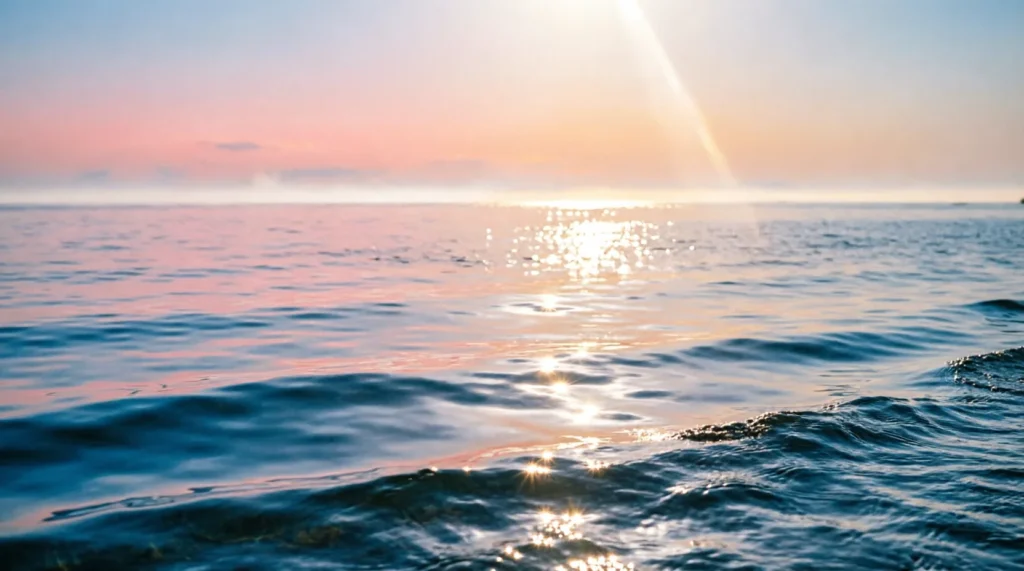
In short, similes for sea are comparisons that use words like “as” or “like” to describe the ocean in colorful and memorable ways. They help you paint pictures with words and make stories, poems, and essays more interesting. Keep reading to discover examples, writing tips, and fun ways to practice.
What Are the Similes for Sea? (And Why They Matter)
Have you ever stared at a blank page during homework and wondered how to describe the sea without repeating “blue” or “beautiful” over and over? Many students face this challenge when they want their writing to sound more vivid.
Similes for sea are comparisons that describe the ocean by saying it is like something else. They use words such as “like” and “as” to create strong images in your reader’s mind.
These comparisons matter because they help you express feelings, improve reading comprehension, and make stories and poems more exciting. You can use them in school assignments, creative writing, and even exam responses.
According to language arts researchers and literacy educators, figurative language helps students develop richer vocabulary and stronger descriptive skills. Once you understand similes for sea, you can add more life to your writing.
The Best Examples of the Similes for Sea
[IMAGE: Waves rolling across a bright blue sea]
Here are some vivid and creative examples you can use:
The sea was as calm as a sleeping baby.
The sea shimmered like a blanket of diamonds.
The sea roared like a hungry lion.
The waves danced like playful children.
The sea was as blue as a sapphire.
The ocean spread out like an endless carpet.
The sea sparkled like glitter in the sunlight.
The waves crashed like thunder.
The sea moved like a giant breathing creature.
The water was as clear as glass.
The sea looked like a giant mirror.
The waves rolled like rows of soft hills.
The sea was as wild as a stampeding herd.
The ocean stretched like a never-ending road.
The sea growled like an angry bear.
The waves curled like ribbons.
The sea was as peaceful as a quiet morning.
The ocean glowed like silver under the moon.
The sea was as mysterious as a hidden cave.
The waves rushed like racing horses.
The sea sparkled like stars scattered across the sky.
The ocean was as deep as a secret.
The sea rolled like a giant blue blanket.
The waves leaped like dolphins.
The sea was as smooth as silk.
Some fun and relatable examples include:
The sea was as noisy as a crowded playground.
The waves bounced like popcorn in a pan.
The ocean stretched like an enormous blue football field.
The sea swayed like a hammock in the breeze.
The water glittered like a pile of coins.
These examples work well because they create strong imagery and appeal to your senses. You can almost hear the waves, see the sparkle, and feel the movement. That is why creative writing teachers often encourage students to use similes for sea in descriptive passages.
Now that you have plenty of examples, you can learn how to use them naturally.
How to Use the Similes for Sea in Your Writing
Using similes effectively is easier than you might think. Here are some simple steps you can follow.
Pick the mood you want to create. If your story is peaceful, choose gentle comparisons. If it is dramatic, choose stronger ones.
Think about what the sea reminds you of. Ask yourself what it sounds, looks, or feels like.
Match your simile to the setting. A stormy sea and a calm sea need different comparisons.
Use one or two strong similes instead of too many. Too many comparisons can make your writing confusing.
Example sentence:
“The sea shimmered like thousands of tiny diamonds as Maya watched the sunset.”
When you choose similes carefully, your descriptions become much more memorable.
Similes for Sea in Poems and Stories
Poets and authors often use similes for sea because they create emotion and rhythm. They help readers imagine scenes more clearly.
Aisha wrote in her poem:
“The sea was like a silver dream, Soft and quiet in the moonlight gleam.”
Carlos described his adventure story like this:
“The waves charged like wild horses, and the boat trembled beneath them.”
Mei included this in her journal:
“The sea lay as calm as a sleeping cat while the morning sun painted the sky pink.”
Writers use these comparisons because they make readers feel connected to the setting. You can do the same in your own stories and poems.
Common Mistakes Students Make With the Similes for Sea
Using too many similes in one paragraph. This is common. A few strong comparisons usually work better than ten weak ones.
Repeating the same simile again and again. Saying “as blue as the sky” every time can make your writing feel dull. Try different images.
Choosing comparisons that do not fit the sea. For example, saying the sea was “like a pencil” does not create a clear picture.
Forgetting the mood of the scene. A stormy ocean should not be compared to something peaceful unless you have a special reason.
Making similes too complicated. Simple images are often easier for your readers to understand.
These mistakes are completely normal, and with practice, you can avoid them.
Fun Activities to Practice the Similes for Sea
Create a Sea Simile Challenge. Grab a pencil and try writing ten different similes for calm water and ten for stormy waves.
Draw and Describe. Draw a beach scene and write three similes that match your picture.
Play a Guessing Game. One person reads a simile, and others guess what kind of sea it describes.
Read Poems About the Ocean. Notice how authors use figurative language and write down your favorite examples.
Make a Worksheet. Write unfinished sentences such as “The sea was like _____” and challenge yourself to complete them.
Create a Story Starter. Begin with “The sea roared like…” and continue writing for five minutes.
Practicing in different ways helps you build confidence and creativity.
What NOT to Do With the Similes for Sea
Don’t believe that every sentence needs a simile. Too many comparisons can overwhelm your reader.
Don’t copy examples without understanding them. You should know why a comparison works before using it.
Don’t use unrelated objects. Similes for sea should connect to the ocean’s appearance, movement, sound, or mood.
Don’t assume only poets use similes. Stories, essays, and school assignments can benefit from them too.
Knowing what to avoid will help you use figurative language more effectively.
Frequently Asked Questions About the Similes for Sea
What is a simile for sea?
A simile for the sea compares the ocean to something else using words like “like” or “as.” For example, “The sea sparkled like diamonds.” These comparisons make descriptions more interesting.
How do you use similes for sea in a sentence?
You can place them naturally in your writing. For example, “The sea was as calm as glass during the early morning.” This helps readers picture the scene more clearly.
What is the difference between a simile and a metaphor for the sea?
A simile uses words such as “like” or “as.” A metaphor makes a direct comparison without those words. “The sea was a giant mirror” is a metaphor, while “The sea was like a giant mirror” is a simile.
Are similes for sea suitable for kids and middle school students?
Yes. They are perfect for students because they encourage creativity and improve descriptive writing. Language arts educators often include them in lessons and assignments.
Why do writers use similes for sea?
Writers use them to create imagery and emotion. They help readers imagine calm beaches, powerful storms, and beautiful sunsets more vividly.
Final Thoughts on the Similes for Sea
Learning similes for sea gives you more ways to describe waves, colors, sounds, and emotions. Instead of using plain words, you can create pictures with language.
You have explored dozens of examples, discovered how to use them in your writing, and learned common mistakes to avoid. These skills can help you with stories, poems, and school assignments.
Creative writing teachers and literacy researchers agree that descriptive language makes writing stronger and more enjoyable. The more you practice, the easier it becomes.
Remember, you do not have to be a professional writer to use figurative language well. Keep experimenting, keep imagining, and enjoy the journey of making your words come alive.
Liam is a language enthusiast and lead writer at Similepedia.com, where he focuses on creating clear, creative, and easy-to-use similes for everyday writing. He specializes in turning simple ideas into vivid comparisons that make sentences more engaging, expressive, and memorable.
Instead of overcomplicating language with technical jargon, Liam approaches similes as practical tools for better communication. He breaks down how comparisons work, when to use them, and how to make them sound natural — not forced or awkward.
He pays close attention to tone, context, and clarity, ensuring every simile fits smoothly into real sentences. From fun and playful comparisons to more descriptive and expressive ones, Liam helps readers improve how they write, speak, and express ideas.
At Similepedia.com, his mission is simple: make language more colorful and effective without making it complicated. He doesn’t just list similes — he helps readers understand how to use them confidently in real situations.