In short, similes for tight are comparisons that help you describe something snug, firm, crowded, tense, secure, or difficult to move. They make your writing more vivid by helping readers picture exactly how “tight” something feels. Keep reading to discover creative examples, writing tips, and fun practice ideas you can use right away.
What Are Similes for Tight? (And Why They Matter)
Have you ever stared at a writing assignment and known exactly what you wanted to describe, but couldn’t find the right words? Maybe a jar lid wouldn’t open, your shoes felt uncomfortable, or a crowd packed together so closely that nobody could move.
That’s where similes for tight can help. A simile compares one thing to another using words such as “like” or “as” to create a clearer picture in the reader’s mind.
When you use similes for tight, you transform a simple description into something memorable. Instead of saying a knot was tight, you might say it was “as tight as a drum.” Suddenly, your reader can almost feel the tension.
Literacy educators and language arts researchers often encourage students to use figurative language because it improves descriptive writing, reading comprehension, and creative thinking. Learning strong similes gives you more tools to express yourself clearly and creatively.
Now that you know what similes for tight are, let’s explore some of the best examples you can use in your own writing.
The Best Examples of Similes for Tight
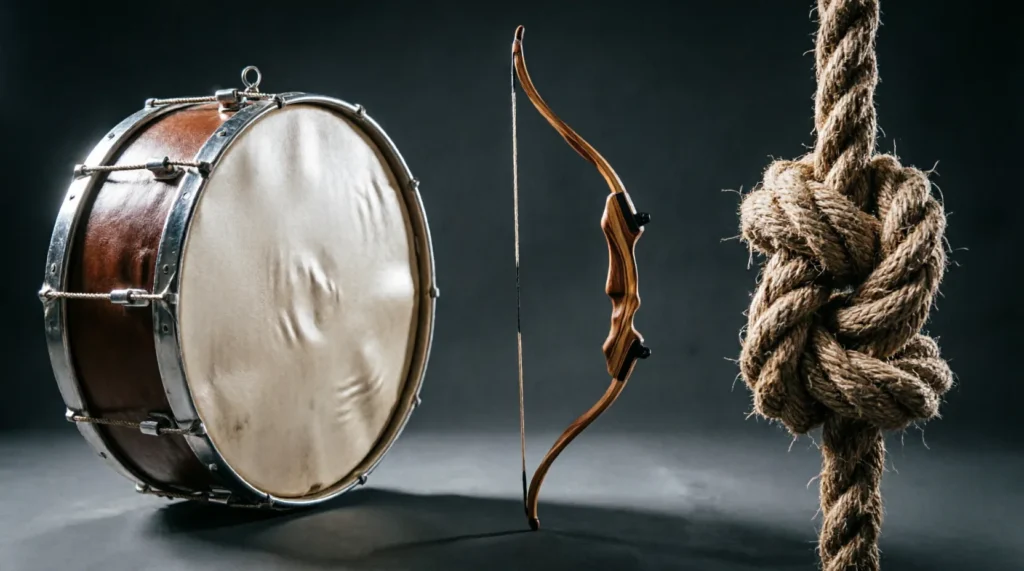
[IMAGE: Collection of objects showing different meanings of tight, including a drum, knot, jar lid, packed crowd, and stretched rope]
As tight as a drum.
As tight as a sealed jar.
As tight as a knot in a sailor’s rope.
As tight as a lid glued to a bottle.
As tight as a squeezed rubber band.
As tight as a clenched fist.
As tight as a spider’s web in the morning dew.
As tight as a zippered sleeping bag.
As tight as a packed suitcase before vacation.
As tight as a wrapped gift on a birthday morning.
As tight as a guitar string before a concert.
As tight as a button on a stuffed pillow.
As tight as a cork in a bottle.
As tight as a puzzle piece fitting perfectly.
As tight as a ship’s anchor rope during a storm.
As tight as crowded seats on a school bus.
As tight as sardines in a can.
As tight as a bear hug from a grandparent.
As tight as a belt pulled one notch too far.
As tight as a locked treasure chest.
As tight as fresh shoelaces tied before a race.
As tight as a stretched trampoline spring.
As tight as a drumhead ready to be played.
As tight as a secret kept between best friends.
As tight as a newly tied balloon knot.
As tight as a lid stuck on a jar for years
Like a knot pulled tighter with every worried tug
As tight as a budget stretched to its very last dollar
Like a curfew enforced with no room for excuses
As tight as a schedule with no gap between meetings
Like a grip that refuses to let go, even when asked
These examples work because they connect the idea of tightness to familiar objects and experiences. Good similes create strong imagery, helping readers see, feel, or even hear what you’re describing.
The best similes for tight also match the situation. A crowded room might be “as tight as sardines in a can,” while a tense muscle could be “as tight as a stretched rubber band.”
How to Use Similes for Tight in Your Writing
Using similes effectively is easier than many students think. Here are a few simple steps you can follow.
Identify what feels tight. Ask yourself whether you’re describing clothing, a space, a knot, a crowd, or even a person’s muscles.
Think of a familiar object. Choose something your readers will recognize, such as a drum, rope, jar lid, or rubber band.
Use “like” or “as.” Build your comparison naturally. For example: “The knot was as tight as a sailor’s rope.”
Match the mood. Funny writing may use playful comparisons, while serious writing may need more realistic ones.
Example sentence:
“The backpack straps were as tight as a stretched rubber band, making Ethan eager to take the bag off.”
When you match the right simile to the right situation, your writing becomes much more engaging and memorable.
Similes for Tight in Poems and Stories
Poets and storytellers often use similes for tight because they create emotion and imagery quickly. A single comparison can help readers understand a scene in seconds.
Here’s a short poem example:
Amina held her secret tight, As tight as a knot at sea, The words stayed hidden all day long, Locked where no one could see.
Story example:
“Raj gripped the rope. It felt as tight as a guitar string, humming with tension as he climbed.”
Another story example:
“Lina squeezed through the hallway crowd. The students stood as tight as sardines in a can, barely leaving room to walk.”
Authors use these comparisons because they help readers experience a scene rather than simply read about it. That’s one reason similes remain a favorite tool in creative writing classrooms.
Once you start noticing similes in books and poems, you’ll see them almost everywhere.
Common Mistakes Students Make With Similes for Tight
Using comparisons that don’t actually suggest tightness. Sometimes students compare something tight to an object that doesn’t feel firm, snug, or crowded. Make sure your comparison supports the meaning.
Mixing multiple similes together. Writing “as tight as a drum and like a rocket ship” can confuse readers. Stick with one clear image.
Overusing similes in every sentence. Similes are powerful, but too many can make your writing feel crowded. Use them where they have the biggest impact.
Choosing unfamiliar comparisons. If your readers don’t recognize the object you’re comparing to, the image may not work as well.
Forgetting the specific type of tightness. Tight clothing, tight spaces, and tight muscles feel different. Choose a simile that matches the exact situation you are describing.
These mistakes are very common, and they become easier to avoid with practice.
Fun Activities to Practice Similes for Tight
Create a Simile Challenge Grab a pencil and write ten different things that can be tight. Then create a unique simile for each one.
Draw and Describe Draw an object such as a knot, rope, or crowded bus. Write a simile for tight underneath your drawing.
Simile Matching Game Work with friends or classmates. Match objects like drums, jar lids, and rubber bands with situations where they fit best.
Reading Detective Look through a favorite storybook and search for similes. See whether you can find examples that describe something tight or tense.
Story Starter Activity Begin a story with the sentence: “The room was as tight as…” Then continue writing for five minutes.
Simile Worksheet Race Create a worksheet with different situations and challenge yourself to write the best simile for each one before time runs out.
These activities help you build confidence while making figurative language feel fun and practical.
“As tight as a vine wrapped around a tree” — Shows something clinging firmly and naturally, making it great for descriptive nature writing.
“Like pebbles packed into a riverbank” — Describes objects pressed closely together with almost no space between them.
“As tight as the bark around an old oak” — Highlights strength and firmness in a natural setting.
“Like roots gripping the earth” — Suggests a secure, unshakable hold that works well in essays and stories.
“As tight as morning fog hugging the hills” — Creates a vivid image of something surrounding another object closely.
💛 Warm & Emotional (for personal stories, letters, heartfelt writing)
“Like a child holding a favorite teddy bear” — Expresses a comforting, affectionate grip full of love.
“As tight as a promise kept between friends” — Represents loyalty and trust in emotional writing.
“Like hands joined during a difficult moment” — Shows support, comfort, and togetherness.
“As tight as a family’s bond through hard times” — Describes a strong emotional connection that cannot easily be broken.
“Like a heartfelt memory held close” — Suggests keeping something precious safe in your heart.
✨ Poetic & Romantic (for poems, song lyrics, love writing)
“As tight as moonlight wrapped around the sea” — Adds a dreamy and romantic image to poetry.
“Like two melodies woven together” — Describes closeness and harmony between people or ideas.
“As tight as a whispered wish in the night” — Creates a gentle, mysterious feeling perfect for lyrical writing.
“Like ivy embracing an ancient wall” — Suggests lasting love and graceful attachment.
“As tight as stars stitched across the sky” — Gives a magical image of things held perfectly in place.
😄 Playful & Fun (for casual use, social media captions, humor)
“As tight as shoelaces before a race” — A fun way to describe something fastened securely.
“Like cookies packed into a lunchbox” — Shows things fitting snugly together in a cheerful way.
“As tight as a backpack stuffed for vacation” — Perfect for describing something completely full.
“Like puzzle pieces snapping into place” — Suggests a perfect fit with a playful tone.
“As tight as a lid on a pickle jar” — A humorous comparison for something difficult to open or loosen.
These tone-grouped similes for tight give you options for every kind of writing — whether you need something soft and poetic or bold and fun. Try picking one from each group and using them in a short paragraph to see how different the same keyword can feel.
Using similes for tight in Real Writing Contexts
In a Descriptive Essay
When writing a descriptive essay, you might need to explain how firmly something fits or how closely objects are packed together. A simile helps readers picture the scene more clearly. The rope was as tight as the bark around an old oak, holding the bridge steady against the wind.
In a Poem
Similes for tight can create a feeling of closeness, safety, or lasting connection in poetry. Choosing gentle, imaginative comparisons makes the mood stronger. Your love stayed around my heart like ivy embracing an ancient wall, quiet yet impossible to pull away.
In a Story or Creative Scene
In stories, similes can describe a character’s grip, emotions, or the atmosphere during an important moment. They make actions feel more vivid and memorable. As the thunder echoed overhead, Maya held her brother’s hand as tight as a promise kept between friends, refusing to let go.
In a Social Media Caption or Message
Short similes work well in captions and messages because they quickly create a clear picture. They also add personality without using many words. Weekend plans are packed like cookies packed into a lunchbox—every minute is full!
The more you practice placing similes for tight into real sentences, the more natural your writing will sound — and the more your reader will feel exactly what you want them to feel.
What NOT to Do With Similes for Tight
Don’t assume every simile must be serious. Funny comparisons can be just as effective when they fit the situation.
Don’t choose random objects. Your comparison should help readers understand tightness more clearly.
Don’t force a simile into every paragraph. Strong writing uses figurative language thoughtfully rather than constantly.
Don’t think “as tight as a drum” is the only option. It’s a classic example, but many fresh and creative comparisons work just as well.
Understanding what to avoid can help you create stronger and more original writing.
Related reading: Looking for more descriptive comparisons? Check out our guides to similes for broken and similes for safe for additional inspiration.
Frequently Asked Questions About Similes for Tight
What is a simile for tight?
One of the most common similes for tight is “as tight as a drum.” It describes something stretched, firm, or secure. Many other options exist depending on what you’re describing.
How do you use similes for tight in a sentence?
You can place the simile directly into your description. For example: “The knot was as tight as a sailor’s rope after the storm.” This helps readers visualize the situation more clearly.
What is the difference between a simile and a metaphor for tight?
A simile uses comparison words such as “like” or “as.” A metaphor makes a direct comparison without those words. For example, “The crowd was a can of sardines” is a metaphor, while “The crowd was as tight as sardines in a can” is a simile.
Are similes for tight appropriate for elementary and middle school students?
Yes. Many similes for tight are simple enough for younger students while still being useful for older writers. Teachers often use them to help students develop descriptive writing skills.
Why do writers use similes for tight?
Writers use them to create stronger imagery and make descriptions more interesting. A good simile helps readers understand exactly how something feels, looks, or behaves.
Can “tight” similes describe emotions as well as physical things?
Yes. Anxiety and stress are often described this way—“her chest felt as tight as a fist clenched before a fight” conveys physical tension that mirrors an emotional state.
What’s a natural way to use a tight simile when describing money or time?
Pair it with something the reader already measures precisely, such as “the deadline was as tight as a rubber band about to snap,” which works for both a schedule and the pressure behind it.
Final Thoughts on Similes for Tight
Similes for tight give you creative ways to describe things that are snug, crowded, tense, secure, or difficult to move. Instead of repeating the word “tight” over and over, you can paint a much clearer picture for your readers.
In this guide, you explored more than twenty examples, learned how to use them in sentences, saw them appear in poems and stories, and discovered activities that can strengthen your skills.
The more you practice using similes for tight, the more natural descriptive writing will become. Even small improvements can make your stories, essays, and poems more engaging.
Keep experimenting with new comparisons, trust your imagination, and remember that great writing grows one sentence at a time.
Frequently Asked Questions
What are some examples of similes for tight mentioned in the article?▼
The article provides several creative examples of similes for tight, including ‘as tight as a drum,’ ‘as tight as a sealed jar,’ and ‘as tight as sardines in a can.’ These comparisons help readers visualize different contexts of tightness.
Why are similes important for descriptive writing?▼
Similes enhance descriptive writing by creating vivid imagery that allows readers to better understand and feel the descriptions. They transform simple statements into memorable comparisons, making the writing more engaging and relatable.
How can I effectively use similes for tight in my own writing?▼
To use similes effectively, first identify what feels tight in your writing context, such as clothing or a crowded space. Then, think of a familiar object that represents that tightness and use ‘like’ or ‘as’ to create your simile.
What is the significance of using figurative language, like similes, in education?▼
Literacy educators encourage the use of figurative language because it improves students’ descriptive writing and reading comprehension. Learning to use similes and other figures of speech fosters creative thinking and expression.
Can similes for tight apply to different scenarios?▼
Yes, similes for tight can apply to various scenarios, such as describing physical constraints like a ‘squeezed rubber band’ or emotional states like ‘as tight as a secret kept between best friends.’ The key is to match the simile to the situation for clarity.
What makes a good simile for tight?▼
A good simile for tight connects the feeling of tightness to familiar objects or experiences that readers can easily visualize. The best similes evoke strong imagery and match the context in which they are used.
How can I practice using similes for tight effectively?▼
You can practice using similes for tight by taking everyday situations and trying to describe them using comparisons. Think of objects or experiences that convey the sense of tightness and experiment with different similes to see which ones resonate best.
More Fresh Similes for Tight
Tight as a lid stuck on a jar of pickles.
Tight as a schedule with no room for a coffee break.
Jamal Rodriguez is a poet and author who has been writing professionally for over a decade. With a Bachelor’s degree in Creative Writing, Jamal’s expertise lies in the use of vivid imagery and emotional depth in poetic language. Fascinated by the limitless possibilities of similes and metaphors, he joined SimilePedia to share his knowledge with budding writers. Jamal focuses on creating content for creative writers and poets, helping them understand the emotional resonance that figurative language can evoke. Through his work, he aims to inspire others to explore their own creative boundaries and embrace the beauty of language as an art form. His contributions include a range of exercises that stimulate imagination across all grade levels.