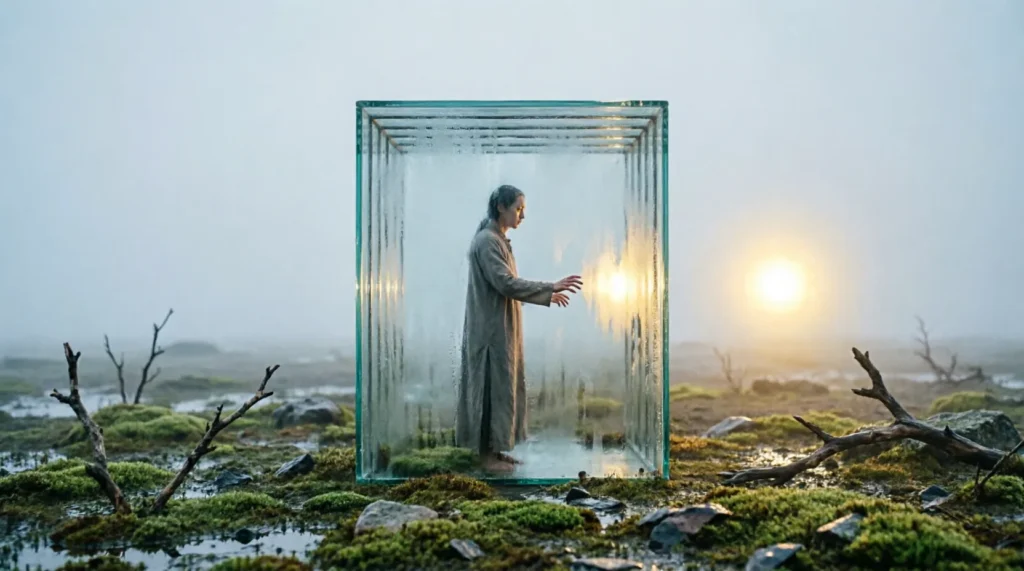
In short, similes for feeling trapped help you compare the experience of being stuck, restricted, or unable to escape to something familiar and vivid. These comparisons make emotions easier to understand and describe in stories, poems, essays, and everyday writing. Keep reading to discover powerful examples, writing tips, and fun ways to use them in your own work.
What Are Similes for Feeling Trapped? (And Why They Matter)
Have you ever stared at a blank page and known exactly how a character feels, but struggled to put those feelings into words? Maybe you wanted to describe frustration, pressure, or being stuck in a difficult situation, but nothing sounded quite right.
Similes for feeling trapped are comparisons that use words such as “like” or “as” to help readers understand the feeling of being stuck, confined, or unable to move forward. They connect an emotion to a clear image that readers can easily imagine.
For example, saying “I felt like a bird in a cage” creates a stronger picture than simply saying “I felt trapped.” The reader instantly understands the emotion behind the words.
Language arts educators and literacy researchers often encourage students to use figurative language because it improves descriptive writing, reading comprehension, and creative expression. When you use similes well, your writing becomes more memorable and engaging.
Now that you know what these similes are, let’s explore some of the best examples you can use right away.
The Best Examples of Similes for Feeling Trapped
I felt like a bird trapped in a tiny cage.
She was like a fish caught in a net with nowhere to swim.
He felt as trapped as a mouse in a maze with no exit.
I was like a butterfly pinned beneath glass.
She felt as trapped as a prisoner behind locked bars.
He was like a car stuck in deep mud.
I felt as trapped as a fly inside a sealed jar.
She was like a sailor stranded on an island.
He felt as trapped as a deer caught in a fence.
I was like a book locked away on a dusty shelf.
She felt as trapped as a balloon tangled in tree branches.
He was like a train stuck on broken tracks.
I felt as trapped as a spider caught in its own web.
She was like a kite caught in power lines.
He felt as trapped as a shadow with nowhere to hide.
I was like a leaf frozen beneath winter ice.
She felt as trapped as a rabbit cornered by a fox.
He was like a boat anchored during a storm.
I felt as trapped as a puzzle piece forced into the wrong place.
She was like a phone with no signal in the middle of nowhere.
He felt as trapped as a video game character stuck behind invisible walls.
I was like a bird with clipped wings.
She felt as trapped as a door with no key.
He was like a runner trapped at the starting line.
I felt as trapped as an insect in amber.
She was like a cloud unable to move across the sky.
He felt as trapped as a student locked inside an endless test.
I was like a toy forgotten at the bottom of a box.
She felt as trapped as a seed buried beneath heavy stone.
He was like a bicycle with a chain that would not move.
I felt as trapped as a candle flickering inside a lantern.
She was like a path blocked by fallen trees.
He felt as trapped as a bird caught in a storm.
I was like a swimmer surrounded by walls of ice.
She felt as trapped as a star hidden behind thick clouds.
He was like a robot repeating the same steps forever.
I felt as trapped as a key sealed inside a locked chest.
She was like a river forced into a narrow channel.
He felt as trapped as a voice that could not be heard.
I was like a traveler standing before a closed gate.
She felt as trapped as a flower growing through concrete.
He was like a chess piece with no legal move left.
I felt as trapped as a squirrel inside a cage wheel.
She was like a dream unable to wake up.
He felt as trapped as an actor stuck on the wrong stage.
These examples work because they create strong mental images. Readers can picture cages, nets, walls, storms, and obstacles, which helps them understand the emotion more deeply. The best similes combine clear imagery with emotional meaning, making your writing easier to connect with.
Once you have a collection of examples, the next step is learning how to use them naturally.
How to Use Similes for Feeling Trapped in Your Writing
Choose an image that matches the situation.
If your character feels restricted by rules, a cage might work well. If they feel lost and confused, a maze may be a better choice.
Think about the emotion behind the trap.
Ask yourself whether the feeling is fear, frustration, loneliness, pressure, or sadness. Different similes create different emotional effects.
Avoid using too many similes at once.
One strong comparison often creates more impact than several weaker ones crowded together.
Connect the simile to the action around it.
Instead of dropping a comparison into a sentence randomly, make it part of the scene.
Example:
“Standing outside the principal’s office, Maya felt like a bird trapped in a cage, pacing back and forth while she waited.”
When you choose a simile that fits the moment, your readers can almost feel the emotion themselves.
Let’s see how these comparisons appear in poems and stories.
More similes for feeling trapped by Tone and Context
“Like a river blocked by fallen trees” — Captures the frustration of wanting to move forward but being unable to, making it ideal for descriptive essays.
“As stuck as a seed beneath frozen ground” — Shows quiet struggle and delayed growth, perfect for reflective writing.
“Like morning fog trapped in a narrow valley” — Expresses confusion and limitation while creating a vivid natural image.
“As confined as a bird hiding beneath heavy branches” — Highlights fear and restricted movement in nature-inspired descriptions.
“Like waves caught between steep cliffs” — Suggests repeated effort without escape, making emotional scenes feel more powerful.
💛 Warm & Emotional (for personal stories, letters, heartfelt writing)
“Like a smile hidden behind closed lips” — Describes holding back emotions or pretending everything is fine.
“As trapped as a dream left unfinished” — Works well when writing about hopes that cannot yet become reality.
“Like a heart locked behind invisible doors” — Shows emotional distance or difficulty expressing true feelings.
“As helpless as a child waiting for someone to return” — Creates sympathy and emphasizes loneliness or uncertainty.
“Like a voice buried beneath loud noise” — Illustrates feeling unheard or ignored in personal experiences.
✨ Poetic & Romantic (for poems, song lyrics, love writing)
“Like a star hidden behind endless clouds” — Suggests beauty or hope that cannot shine through difficult circumstances.
“As trapped as a melody never sung” — Expresses emotions waiting to be shared in poetic writing.
“Like moonlight caught inside a crystal jar” — Creates a gentle, dreamy image of beauty held back.
“As silent as a promise locked away” — Conveys deep emotion and unspoken feelings in lyrical pieces.
“Like a rose growing inside stone walls” — Symbolizes resilience despite emotional or physical confinement.
😄 Playful & Fun (for casual use, social media captions, humor)
“Like a cat wearing a sweater two sizes too small” — Adds humor while describing an awkward or restricted feeling.
“As trapped as the last fry at the bottom of the box” — A funny comparison that works well in casual conversations.
“Like a phone stuck on one percent battery all day” — Perfect for joking about stressful or limiting situations.
“As boxed in as a puzzle piece in the wrong spot” — Lighthearted and easy for students to understand.
“Like a hamster running in a wheel that goes nowhere” — Humorously describes working hard without making progress.
These tone-grouped similes for similes for feeling trapped give you options for every kind of writing — whether you need something soft and poetic or bold and fun. Try picking one from each group and using them in a short paragraph to see how different the same keyword can feel.
Using similes for feeling trapped in Real Writing Contexts
In a Descriptive Essay
When describing a difficult situation, a simile can help readers picture what the experience feels like instead of simply being told about it. This makes your writing more vivid and memorable. For example: “During the long weeks of recovery, I felt like a river blocked by fallen trees, unable to move toward my goals.”
In a Poem
Similes for feeling trapped can create a strong mood of sadness, hope, or longing in poetry. They help readers connect with emotions through clear imagery. For example: “I was like a star hidden behind endless clouds, waiting for one small break in the sky.”
In a Story or Creative Scene
A simile can reveal how a character feels without directly stating their emotions. It also makes dramatic scenes more engaging for readers. For example: “As the heavy door clicked shut, Maya stood as trapped as a seed beneath frozen ground, wondering if anyone would come for her.”
In a Social Media Caption or Message
Short similes are great for expressing everyday frustrations in a creative and relatable way. They make captions feel more personal and memorable. For example: “This week has me feeling like a hamster running in a wheel that goes nowhere. 😅”
The more you practice placing similes for feeling trapped into real sentences, the more natural your writing will sound — and the more your reader will feel exactly what you want them to feel.
Similes for Feeling Trapped in Poems and Stories
Poets and authors often use similes to help readers experience emotions rather than simply read about them. A good comparison adds imagery, rhythm, and feeling to a piece of writing.
Here are a few short examples:
Aisha stared through the classroom window.
“Like a bird behind silver bars, She watched the clouds drift free.”
Mateo sat quietly at his desk.
“He felt like a train on broken tracks, Unable to move no matter how hard he tried.”
Priya listened as the rain tapped the roof.
“Like a butterfly beneath glass, Her dreams pressed softly against the world outside.”
These examples show how similes can make emotions feel real and personal. Creative writing teachers often encourage students to experiment with different images until they find one that perfectly matches the mood they want to create.
Before you start writing your own examples, it helps to know a few common mistakes to avoid.
Common Mistakes Students Make With Similes for Feeling Trapped
Choosing a comparison that doesn’t match the emotion
A simile should fit the feeling. Comparing a trapped character to something cheerful can confuse readers.
Using clichés too often
Popular similes can be useful, but repeating the same comparison again and again may make your writing feel predictable.
Forgetting the emotional context
A simile works best when readers understand why the person feels trapped. Give a little background to support the comparison.
Making comparisons too complicated
If readers need to stop and figure out what the image means, the simile may be too confusing. Simple and vivid often works best.
Using a physical trap when the feeling is emotional
Sometimes a character is trapped by fear, worry, or responsibility rather than walls or cages. Try choosing a comparison that reflects the real problem.
These mistakes are very common, and they become easier to avoid with practice.
Speaking of practice, here are some fun activities you can try today.
Fun Activities to Practice Similes for Feeling Trapped
Create a Simile Challenge
Grab a pencil and write down ten objects that can become trapped. Then challenge yourself to turn each one into a simile.
Draw and Describe
Draw a picture of something stuck or confined. Write three different similes that match the image you created.
Story Starter Game
Begin a story with the sentence: “I felt as trapped as…” and see where the story takes you. Try writing for five minutes without stopping.
Reading Detective
While reading a novel, poem, or short story, look for figurative language that expresses frustration, pressure, or confinement. Notice how writers create emotional impact.
Worksheet Race
Create a worksheet with situations such as failing a test, being grounded, or facing a difficult decision. Write a unique simile for each situation.
Group Simile Circle
Play with friends or classmates. One person names a feeling, and everyone creates a simile. Compare your answers and discuss which images are strongest.
The more you practice, the easier it becomes to create original comparisons that sound natural and creative.
What NOT to Do With Similes for Feeling Trapped
Don’t assume every simile needs a cage
Cages are common, but there are many other images that can express feeling trapped, such as nets, storms, walls, or mazes.
Don’t force a comparison into every paragraph
Too many similes can distract readers from the story or poem.
Don’t choose images your audience won’t understand
A comparison works best when readers can easily picture it.
Don’t confuse similes with metaphors
A simile uses words like “like” or “as.” A metaphor makes a direct comparison without those words.
Understanding these myths can help you write more confidently and effectively.
Frequently Asked Questions About Similes for Feeling Trapped
What is a good simile for feeling trapped?
A good simile depends on the situation. Popular choices include “like a bird in a cage,” “like a mouse in a maze,” or “like a fish caught in a net.” The best option is the one that matches the emotion you want to express.
How do you use similes for feeling trapped in a sentence?
You can connect the simile directly to a character’s emotions. For example: “After hearing the news, Jordan felt like a bird trapped in a cage with no way out.”
Are similes for feeling trapped suitable for school assignments?
Yes. They can make essays, poems, stories, and creative writing projects more descriptive and engaging. Teachers often encourage students to use figurative language to strengthen their writing.
What is the difference between a simile and a metaphor for feeling trapped?
A simile uses comparison words such as “like” or “as.” A metaphor makes the comparison directly. For example, “I felt like a bird in a cage” is a simile, while “I was a bird in a cage” is a metaphor.
Why do writers use similes for feeling trapped?
Writers use them to help readers understand emotions more clearly. A vivid image can communicate frustration, fear, loneliness, or helplessness much more effectively than a simple statement.
Final Thoughts on Similes for Feeling Trapped
Similes for feeling trapped give writers a powerful way to describe difficult emotions. Instead of simply saying someone feels stuck, you can create images that readers instantly understand and remember.
In this guide, you explored dozens of examples, learned how to use them in your own writing, discovered common mistakes, and found fun ways to practice. These tools can help you become a stronger and more confident writer.
Remember that the best similes are the ones that feel authentic to the situation. If you pay attention to the emotions in your story, poem, or essay, you’ll find comparisons that fit naturally.
With practice, your descriptions will become more vivid, your readers will connect more deeply with your ideas, and your writing will continue to grow stronger with every page you write.
Frequently Asked Questions
What are similes for feeling trapped and why are they useful?▼
Similes for feeling trapped are comparisons that use ‘like’ or ‘as’ to vividly express the feeling of being confined or stuck. They help readers visualize complex emotions, making writing more relatable and impactful.
Can you give examples of similes for feeling trapped?▼
Certainly! Examples include ‘I felt like a bird trapped in a tiny cage’ and ‘She was like a fish caught in a net with nowhere to swim.’ These comparisons create strong imagery that enhances emotional understanding.
How can similes improve my writing?▼
Using similes can enhance descriptive writing by making emotions clearer and more relatable to readers. They engage the audience by providing familiar images that evoke feelings, thus making your work more memorable.
Why do educators encourage the use of figurative language like similes?▼
Language arts educators promote figurative language because it helps improve descriptive writing, reading comprehension, and creative expression. By using similes, students can articulate their thoughts and emotions more effectively.
What types of emotions can similes for feeling trapped express?▼
Similes for feeling trapped can express a range of emotions including frustration, anxiety, and helplessness. They encapsulate the experience of being unable to escape difficult situations, making these feelings more tangible.
How can I incorporate similes for feeling trapped into my writing?▼
You can incorporate similes by identifying the emotions you want to convey and then finding relatable comparisons. For example, if you’re writing about frustration, you might say ‘I felt as trapped as a student locked inside an endless test’ to emphasize the feeling.
Are there any creative ways to use similes for feeling trapped in poetry?▼
In poetry, similes can be used to create vivid imagery and evoke strong emotions. Try using them in metaphors or as part of a larger narrative to deepen the reader’s connection to the theme of confinement or restriction.
Liam is a language enthusiast and lead writer at Similepedia.com, where he focuses on creating clear, creative, and easy-to-use similes for everyday writing. He specializes in turning simple ideas into vivid comparisons that make sentences more engaging, expressive, and memorable.
Instead of overcomplicating language with technical jargon, Liam approaches similes as practical tools for better communication. He breaks down how comparisons work, when to use them, and how to make them sound natural — not forced or awkward.
He pays close attention to tone, context, and clarity, ensuring every simile fits smoothly into real sentences. From fun and playful comparisons to more descriptive and expressive ones, Liam helps readers improve how they write, speak, and express ideas.
At Similepedia.com, his mission is simple: make language more colorful and effective without making it complicated. He doesn’t just list similes — he helps readers understand how to use them confidently in real situations.