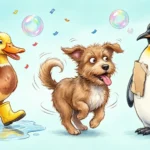
In short, funny similes for stupidity are playful comparisons that describe someone acting confused, careless, or clueless in a humorous way. You’ll find creative examples, writing tips, poem ideas, and fun activities that help students and writers use these similes naturally without sounding mean or repetitive.
What Are Funny Similes for Stupidity? (And Why They Matter)
Picture this: you’re writing a story late at night, and your character just made the worst decision possible. You want readers to laugh, but your mind goes completely blank. Instead of saying “he was dumb,” you need something more vivid and entertaining.
That’s where funny similes for stupidity come in. A simile compares one thing to another using words like “as” or “like.” These comparisons make your writing more colorful, memorable, and funny.
For example, saying “He was as confused as a chicken in a library” paints a much clearer picture than simply saying “He was confused.” Your reader instantly imagines the chaos.
Language arts educators often encourage students to use figurative language because it improves storytelling, reading comprehension, and creative thinking. Funny similes for stupidity can also make essays, poems, and stories feel more lively and original.
You don’t need to be a professional writer to use them well. Once you understand how these comparisons work, your writing becomes more expressive and entertaining almost immediately.
The Best Examples of Funny Similes for Stupidity
[IMAGE: Student laughing while writing silly similes in a notebook]
As clueless as a goldfish taking a math test.
Like a penguin trying to ride a skateboard.
As confused as a squirrel in a supermarket.
Like a potato trying to solve algebra.
As lost as a pirate without a map.
Like a chicken attempting brain surgery.
As slow as a snail reading a dictionary backward.
Like a raccoon trying to use a smartphone.
As puzzled as a cow in a spaceship.
Like a monkey assembling furniture without instructions.
As mixed up as socks in a tornado.
Like a duck trying to play chess.
As empty-headed as a balloon without air.
Like a hamster driving a school bus.
As forgetful as a goat in a maze.
Like a robot with dead batteries.
As clueless as a cat watching a magic trick.
Like a donkey solving rocket science equations.
As dizzy as a bee trapped in a jar.
Like a fish trying to climb a ladder.
As scattered as popcorn in a windstorm.
Like a sleepy panda taking a science exam.
As mixed up as spaghetti in a backpack.
Like a kangaroo trying to ice skate.
As sharp as a marble.
Like someone searching for Wi-Fi in the forest.
As useful as a spoon in a football game.
Like a turtle trying to win a Formula 1 race.
As confused as a vampire at sunrise.
Like a dog trying to text with oven mitts.
As blank as a chalkboard after heavy rain.
Like an owl forgetting how to hoot.
As directionless as a shopping cart with one wheel.
Like a banana trying to become class president.
As bewildered as a camel in a snowstorm.
Like a jellyfish trying to solve a crossword puzzle.
As silly as a pigeon wearing sunglasses indoors.
Like a zombie looking for homework answers.
As brainless as a scarecrow without straw.
Like a walrus trying to dance ballet.
These examples work because they create strong mental pictures. Your brain instantly imagines something impossible, awkward, or ridiculous, which makes the simile funny and memorable.
Creative writing teachers often point out that the best similes combine surprise with clear imagery. When you read “like a fish trying to climb a ladder,” you immediately understand the struggle and confusion. That’s what makes funny similes for stupidity so effective in stories and conversations.
How to Use Funny Similes for Stupidity in Your Writing
Now that you’ve seen plenty of examples, you might wonder how to use them naturally in your own work. The key is making the simile fit the mood and character.
Match the simile to the situation.
If your character is confused during a science class, use something related to confusion or failure. A serious scene might need a gentler simile, while a comedy story can use something sillier.
Keep your comparisons fresh.
Readers get bored if you repeat the same old phrases. Instead of “dumb as a rock,” try something original like “as clueless as a penguin in the desert.”
Don’t overuse them.
Funny similes for stupidity work best when sprinkled into your writing. If every sentence contains one, the story starts to feel crowded and distracting.
Use them to reveal personality.
A character who says strange or funny similes can sound unique and memorable. Your dialogue becomes more realistic and entertaining.
Example sentence:
“Jamal stared at the broken robot like a squirrel trying to understand algebra.”
That one simile instantly shows confusion while keeping the tone playful and visual. Once you start noticing similes in books and movies, you’ll see how often writers use them to make scenes more vivid.
Funny Similes for Stupidity in Poems and Stories
Poets and authors use figurative language because it creates rhythm, emotion, and imagery. Funny similes for stupidity can add humor to stories while helping readers picture a character more clearly.
Here are a few short creative examples you can learn from.
“Amina looked at the map like a penguin solving geometry, spinning the paper upside down with complete confidence.”
“Carlos answered the riddle like a goat trying to play piano. Every guess sounded louder and somehow worse.”
“Mia rushed into the kitchen as confused as a squirrel in a supermarket. She opened the freezer, grabbed a spoon, and forgot why she came in.”
These small examples show how similes can fit naturally into stories and poems. They add humor without needing long explanations.
Literacy researchers often note that figurative language helps readers connect emotionally with writing. When you use funny comparisons, your audience remembers the scene more easily because the images stick in their minds.
More Funny Similes for Stupidity: 55+ Silly Comparisons That Make Writing More Fun (2026) by Tone and Context
“As confused as a squirrel chasing its own shadow” — Shows someone making unnecessary mistakes or losing focus in a lighthearted way.
“Like a sleepy snail crossing a busy path” — Captures slow thinking and poor decision-making without sounding harsh.
“As puzzled as a duck staring at a rainbow” — Describes someone who cannot make sense of an obvious situation.
“Like a pebble trying to float upstream” — Suggests someone making an impossible or illogical choice.
“As lost as a leaf in a whirlwind” — Works well when describing someone who has no idea what to do next.
💛 Warm & Emotional (for personal stories, letters, heartfelt writing)
“Like a puppy chasing its own tail” — Gently describes silly behavior that is more amusing than annoying.
“As forgetful as a child looking for glasses already on their head” — Highlights harmless absent-mindedness with humor.
“Like someone reading a map upside down” — Shows innocent confusion in everyday situations.
“As mixed up as socks fresh from the dryer” — Describes thoughts that are tangled or disorganized.
“Like a kitten trying to catch a sunbeam” — Suggests cheerful but unrealistic attempts that make others smile.
✨ Poetic & Romantic (for poems, song lyrics, love writing)
“As clueless as a star searching for the sunrise” — Creates a dreamy image of someone missing what is right in front of them.
“Like an echo answering the wrong mountain” — Expresses confusion in a creative, poetic style.
“As uncertain as moonlight on moving water” — Conveys hesitation and unclear thinking with gentle imagery.
“Like a feather looking for the wind it already rides” — Suggests someone overlooking an obvious answer.
“As distracted as a cloud forgetting where it belongs” — Adds a soft, imaginative touch to descriptions of foolish mistakes.
😄 Playful & Fun (for casual use, social media captions, humor)
“Like a robot trying to eat soup with a fork” — Perfect for joking about a hilariously bad idea.
“As sharp as a crayon in a math contest” — A playful way to tease someone for making a funny mistake.
“Like a gamer pressing every button except the right one” — Fits modern, relatable situations where someone keeps getting things wrong.
“As mixed up as a playlist on shuffle during karaoke” — Describes chaotic thinking with a fun, everyday comparison.
“Like a chef trying to bake a cake without flour” — Shows someone forgetting an essential part of a simple task.
These tone-grouped similes for Funny Similes for Stupidity: 55+ Silly Comparisons That Make Writing More Fun (2026) give you options for every kind of writing — whether you need something soft and poetic or bold and fun. Try picking one from each group and using them in a short paragraph to see how different the same keyword can feel.
Using Funny Similes for Stupidity: 55+ Silly Comparisons That Make Writing More Fun (2026) in Real Writing Contexts
In a Descriptive Essay
When writing about a humorous moment or describing a character who makes funny mistakes, a simile can paint a clearer picture without sounding mean. Choose comparisons that keep the tone light and entertaining. Example:During the science project, Ben looked like a gamer pressing every button except the right one, turning a simple experiment into a comedy show.
In a Poem
Similes for stupidity can add playful imagery and create a humorous mood in poems. They help readers picture amusing situations while keeping the language creative. Example:Like an echo answering the wrong mountain, my thoughts wandered far from the truth, yet every mistake brought another laugh.
In a Story or Creative Scene
In stories, these similes can show a character’s confusion or poor choices while making readers smile instead of criticizing the character. They work especially well during funny misunderstandings. Example:Jake stood in the doorway as confused as a squirrel chasing its own shadow, wondering why everyone else had already found the hidden clue.
In a Social Media Caption or Message
Short, funny similes make captions and messages more memorable because they add personality with just a few words. Keep the comparison playful and easy to understand. Example:“Forgot my homework again—I’m like a chef trying to bake a cake without flour today! 😂”
The more you practice placing similes for Funny Similes for Stupidity: 55+ Silly Comparisons That Make Writing More Fun (2026) into real sentences, the more natural your writing will sound — and the more your reader will feel exactly what you want them to feel.
More Funny Similes for Stupidity by Tone and Context
🌿 Natural & Descriptive “As clueless as a squirrel searching for acorns in the ocean” — Captures someone looking in completely the wrong place and works well in humorous descriptions.
“Like a leaf trying to give directions in a windstorm” — Suggests confusion and a lack of clear thinking in a vivid, nature-based way.
“As lost as a duck following a butterfly migration” — Highlights poor judgment and misunderstanding with a playful natural image.
“Like a cactus expecting snowflakes to keep it cool” — Shows unrealistic thinking or a lack of common sense.
“As puzzled as a fish trying to climb a pine tree” — Emphasizes being out of place and unable to understand a situation.
💛 Warm & Emotional “As mixed up as a friend reading a map upside down” — A gentle way to describe a silly mistake without sounding harsh.
“Like a puppy chasing its own tail for answers” — Suggests harmless confusion and innocent foolishness.
“As forgetful as someone looking for glasses already on their head” — Works well for lighthearted stories about everyday mistakes.
“Like a kid trying to unlock a door with a banana” — Adds warmth and humor to a description of poor thinking.
“As bewildered as a traveler boarding the wrong bus twice” — Conveys repeated mistakes in a relatable, friendly way.
✨ Poetic & Romantic “As mistaken as a star looking for sunlight at midnight” — Creates a dreamy image of misunderstanding or confusion.
“Like a cloud searching for its reflection in the sky” — Suggests a gentle kind of foolishness through poetic imagery.
“As uncertain as a candle trying to outshine the moon” — Highlights poor judgment in a graceful, literary way.
“Like an echo arguing with its own voice” — Expresses confusion and flawed thinking with a creative twist.
“As misguided as a comet trying to follow a street map” — Adds a whimsical, imaginative feel to descriptions of stupidity.
😄 Playful & Fun “As smart as a toaster taking a swimming lesson” — A silly comparison perfect for jokes and casual humor.
“Like a pirate searching for Wi-Fi on a deserted island” — Creates a funny image of someone chasing the impossible.
“As confused as a penguin at a beach volleyball tournament” — Great for describing someone who clearly does not belong in a situation.
“Like a robot trying to eat spaghetti with a ruler” — Adds absurd humor to a description of poor decision-making.
“As clueless as a goldfish studying for a driving test” — A playful exaggeration that works well in lighthearted writing.
These tone-grouped similes for funny similes for stupidity give you options for every kind of writing — whether you need something soft and poetic or bold and fun. Try picking one from each group and using them in a short paragraph to see how different the same topic can feel.
Using Funny Similes for Stupidity in Real Writing Contexts
In a Descriptive Essay
When writing about a person making a poor decision or misunderstanding something, a simile can make the description more vivid and memorable. Instead of simply saying someone was foolish, compare them to something unexpected and funny.
Example: “The new camper was as lost as a duck following a butterfly migration when he tried to set up the tent.”
In a Poem
Similes for stupidity can add humor, irony, or a playful mood to a poem. They help readers picture mistakes and misunderstandings in a creative way.
Example: “Like a cloud searching for its reflection in the sky, / his thoughts drifted farther with each passing try.”
In a Story or Creative Scene
In stories, similes can reveal a character’s confusion or poor judgment while making the scene more entertaining. They also help readers connect with a character’s mistakes.
Example: “Jake stared at the puzzle instructions, as puzzled as a fish trying to climb a pine tree, while the rest of the team finished ahead of him.”
In a Social Media Caption or Message
Short, funny similes work well in captions and messages because they quickly communicate a moment of confusion or a silly mistake. They can make everyday situations more relatable and amusing.
Example: “Just walked into the wrong classroom 😅 — feeling as clueless as a goldfish studying for a driving test!”
The more you practice placing similes for funny similes for stupidity into real sentences, the more natural your writing will sound — and the more your reader will feel exactly what you want them to feel.
Common Mistakes Students Make With Funny Similes for Stupidity
Even creative writers make mistakes with figurative language sometimes. That’s completely normal when you’re learning.
Using similes that are too harsh
Some comparisons can sound insulting instead of funny. Try to keep your tone playful rather than cruel, especially in school assignments or classroom writing.
Repeating the same simile over and over
If every character is “dumb as a rock,” your writing starts to feel boring. Challenge yourself to invent new comparisons that readers haven’t seen before.
Making the comparison confusing
A simile should help readers picture something clearly. If your comparison is too random, readers may not understand the joke.
Forgetting the words “like” or “as”
A simile usually needs connecting words. Without them, you may accidentally create a metaphor instead.
Using funny similes for stupidity in serious scenes
A dramatic moment can lose emotional power if you suddenly add a goofy comparison. Think carefully about the mood before adding humor.
The good news is that these mistakes are easy to fix with practice. The more you read and write, the easier it becomes to create similes that sound natural and clever.
Fun Activities to Practice Funny Similes for Stupidity
[IMAGE: Classroom students creating funny simile cards together]
Create a Silly Simile Jar
Grab slips of paper and write random animals, objects, and activities on them. Mix them together and challenge yourself to create the funniest similes possible.
Play the “Finish the Simile” Game
Have a friend or classmate say the first half of a simile, like “As confused as…” Then you finish it with something creative and funny.
Draw Your Similes
Pick one simile and turn it into a cartoon. Drawing the comparison helps you picture the imagery more clearly while making the activity more fun.
Rewrite Boring Sentences
Take plain sentences like “He looked confused” and replace them with funny similes for stupidity. This helps you practice making writing more vivid.
Create a Group Story
Sit with friends or classmates and write a story together. Every person must add one funny simile before passing the paper to the next writer.
Try a Simile Challenge Worksheet
Set a timer for five minutes and see how many original similes you can invent. You’ll be surprised how quickly your creativity grows when you practice regularly.
These activities make figurative language feel less stressful and more playful. Once you start experimenting, you’ll discover that writing can actually become fun instead of frustrating.
What NOT to Do With Funny Similes for Stupidity
Don’t use mean or hurtful comparisons
Humor should make people laugh, not embarrass someone. Keep your similes lighthearted and imaginative.
Don’t copy every simile from the internet
It’s okay to learn from examples, but your best writing comes from your own creativity. Readers enjoy fresh ideas much more than recycled phrases.
Don’t force a simile into every sentence
Too many comparisons can overwhelm your reader. Give your writing room to breathe.
Don’t confuse “funny” with “nonsensical”
Random words alone don’t create a good simile. The comparison should still make sense enough for readers to picture it.
Understanding what to avoid helps your writing sound more polished and enjoyable. Now let’s answer some common questions students often ask about funny similes for stupidity.
Frequently Asked Questions About Funny Similes for Stupidity
What is a funny simile for someone acting stupid?
One example is “as confused as a chicken in a library.” It creates a silly mental image while clearly showing confusion. Funny similes usually work best when they combine humor with something readers can easily imagine.
How do you use funny similes for stupidity in a sentence?
You can place them directly into dialogue or description. For example: “Tariq looked at the broken calculator like a penguin trying to solve calculus.” The simile helps readers picture the confusion instantly.
Are funny similes for stupidity okay for school assignments?
Usually yes, as long as they stay respectful and age-appropriate. Many creative writing teachers encourage humor because it makes stories more engaging and memorable.
What makes a funny simile effective?
The best similes create strong imagery and surprise readers in a clever way. A comparison becomes memorable when it feels unexpected but still makes sense emotionally or visually.
What is the difference between a simile and a metaphor for stupidity?
A simile uses words like “like” or “as.” A metaphor directly says one thing is another thing. For example, “He was like a fish climbing a ladder” is a simile, while “He was a fish climbing a ladder” is a metaphor.
Final Thoughts on Funny Similes for Stupidity
Funny similes for stupidity can turn ordinary writing into something colorful, humorous, and memorable. Instead of using plain descriptions, you now have dozens of creative ways to describe confusion, silliness, or clueless behavior.
You learned how similes work, why writers use them, and how to avoid common mistakes. You also explored poems, stories, activities, and examples that can help you practice your own figurative language skills.
Remember, good writing is not about sounding perfect. It’s about helping readers feel, imagine, and connect with your words. Even silly comparisons can make your stories stronger when used thoughtfully.
The more you experiment with figurative language, the more confident and creative your writing will become — and that’s a skill you can keep building for years to come.
Frequently Asked Questions
What are funny similes for stupidity and how can they enhance my writing?▼
Funny similes for stupidity are playful comparisons that describe confusion or cluelessness in a humorous way. They can make your writing more colorful and entertaining, helping you connect with readers through vivid imagery.
Can you provide examples of funny similes for stupidity?▼
Sure! Some examples include ‘as clueless as a goldfish taking a math test’ and ‘like a penguin trying to ride a skateboard.’ These comparisons create strong mental images that make the similes memorable and amusing.
How can I incorporate funny similes into my essays or poems?▼
You can use funny similes to add humor and creativity to your writing. By comparing characters or situations to silly scenarios, you make your points more engaging and relatable for your audience.
Why is it important to use figurative language like similes in writing?▼
Figurative language, such as similes, improves storytelling by making it more vivid and memorable. It helps readers visualize situations and emotions, enhancing their overall reading experience.
Are funny similes suitable for all types of writing?▼
While funny similes add a playful tone, they may not be suitable for formal writing or serious topics. However, they can be very effective in creative writing, essays, and poems where humor is appreciated.
How can I create my own funny similes for stupidity?▼
To create your own funny similes, think of unexpected comparisons that draw on common experiences or absurd situations. Combining surprising elements with clear imagery will help you craft similes that are both funny and relatable.
What writing tips can help me use similes effectively without sounding repetitive?▼
Vary your similes by drawing from different themes or contexts, and avoid using the same comparisons multiple times. Additionally, focus on the specific characteristics of your subject to inspire unique and creative similes.
Liam Nguyen is a passionate educator and writer with a deep love for figurative language. He holds a master’s degree in Creative Writing and has spent eight years teaching at various educational settings, focusing on language enrichment programs for children from grades 2-6. His expertise in crafting metaphorical language and similes into captivating content stems from his belief that storytelling is the heartbeat of learning. Liam’s contributions to SimilePedia span from emotion-driven examples to color-inspired narrative tools. He is committed to fostering a creative environment where students can explore and find joy in their unique expressions.