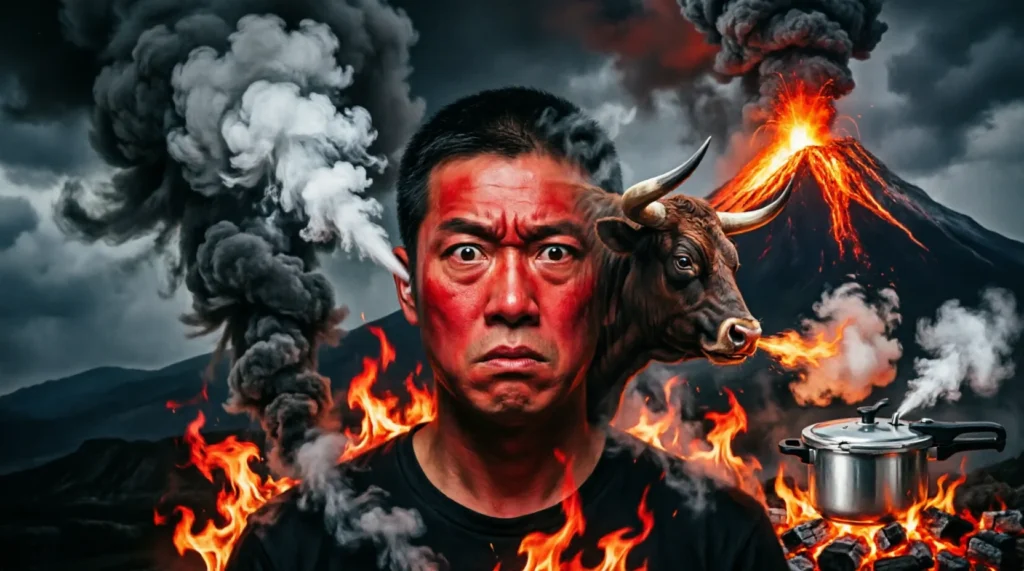
In short, angry similes for anger are comparisons that help you describe angry feelings in a vivid and memorable way. They make your stories, poems, and essays more expressive by showing readers what anger feels like instead of simply saying someone was angry. Keep reading to discover examples, tips, and fun ways to practice.
[IMAGE: Student writing dramatic emotions in a notebook]
What Are the Angry Similes for Anger? (And Why They Matter)
Maybe you’ve stared at a blank page during homework and thought, “How do I describe this character’s anger without using the word angry over and over?” You’re not alone. Many students run into this problem when writing stories or descriptive paragraphs.
Angry similes for anger are comparisons that use words like “as” or “like” to help readers imagine anger more clearly. They turn simple emotions into powerful pictures.
These comparisons matter because they make your writing more interesting and easier to understand. They can help you in language arts assignments, creative writing, reading comprehension, and even exam essays.
According to literacy educators and language arts researchers, strong figurative language helps readers connect emotionally with a story. When you use vivid comparisons, your ideas become easier to remember.
Now that you know what they are, let’s explore some examples you can use right away.
The Best Examples of the Angry Similes for Anger
Here are some creative and vivid angry similes for anger you can use in your writing:
He was as angry as a volcano ready to erupt.
She was like a storm cloud full of thunder.
His temper flared like a match struck in the dark.
She was as furious as a lion protecting its cubs.
He growled like an angry bear awakened too soon.
Her anger spread like wildfire through dry grass.
He was as mad as a hornet trapped in a jar.
She snapped like a twig under pressure.
His eyes burned like hot coals.
She was like boiling water bubbling over the pot.
He roared like thunder across the sky.
Her temper exploded like fireworks on New Year’s Eve.
He looked as fierce as a tiger on the hunt.
She hissed like a cat whose tail had been stepped on.
His words struck like lightning.
She shook like a tree in a strong wind.
He was as red as a tomato with rage.
Her voice cracked like a whip.
He glared like a hawk watching its prey.
She steamed like a kettle left on the stove.
He was as fierce as a dragon guarding treasure.
Her anger rose like waves during a storm.
He exploded like popcorn in a microwave.
She stormed around like a tornado tearing through town.
His face turned red like a glowing ember.
She was as irritated as a bee whose hive had been disturbed.
He barked like an angry dog.
Her frustration bubbled like lava beneath the earth.
He shook like an engine about to burst.
She glared like a judge delivering a harsh sentence.
Some of these examples are serious, while others are playful. What makes them effective is their strong imagery and emotional power. Good similes help your readers see, hear, and even feel the emotion you are describing.
Next, let’s look at how you can use these comparisons in your own writing.
How to Use the Angry Similes for Anger in Your Writing
You don’t have to be a professional writer to use figurative language well. You can make your writing stronger with a few simple steps.
Choose an image that matches the level of anger you want to show.
A small annoyance might be “like a buzzing bee,” while intense rage could be “like a volcano ready to erupt.”
Use “like” or “as” naturally.
These words help create clear comparisons that readers can understand quickly.
Match the simile to your character or setting.
A fantasy story might compare anger to dragons, while a school story might use storms or boiling water.
Avoid repeating the same comparison.
Using different images keeps your writing fresh and interesting.
Example:
“Marcus slammed his backpack onto the floor, his temper boiling like water left too long on the stove.”
With practice, you’ll discover that using angry similes for anger becomes easier and more fun.
Angry Similes for Anger in Poems and Stories
Poets and authors often use similes to create emotion, rhythm, and imagery. You can do the same in your own creative writing.
Aisha wrote:
“Anger rolled like thunder in the sky, Dark clouds gathered as tears passed by.”
Mateo’s story included:
“His frustration boiled like lava beneath the earth. Nobody spoke because his voice sounded like distant thunder.”
Priya’s poem said:
“She glared like a tiger in the wild, Then calmed down and softly smiled.”
These examples show how angry similes for anger fit naturally into poems and stories. They help readers imagine emotions instead of simply reading about them.
As you read books and poems, you’ll begin noticing similar comparisons everywhere.
Common Mistakes Students Make With the Angry Similes for Anger
Using too many similes in one paragraph. This is normal when you’re learning. Try using one or two strong comparisons instead of filling every sentence with them.
Choosing images that don’t match the emotion. Comparing anger to something peaceful, like a sleeping kitten, can confuse readers. Pick images that feel intense or frustrated.
Forgetting to use “like” or “as.” Without these words, you may accidentally write a metaphor instead of a simile.
Repeating the same example again and again. Writing “as angry as a volcano” ten times makes your work feel repetitive. Challenge yourself to try new images.
Making the comparison too complicated. Readers understand clear pictures more easily. Simple comparisons are often stronger.
These mistakes are common, and you can improve with practice.
Fun Activities to Practice the Angry Similes for Anger
Create an Emotion Chart.
Grab a pencil and write different levels of anger. Match each one with a simile that fits.
Play the Simile Challenge.
Take turns with friends or classmates creating funny or dramatic anger comparisons.
Draw and Describe.
Sketch an angry character and write three similes that match the drawing.
Read and Hunt.
Look through novels or poems and see how many examples of figurative language you can find.
Make a Worksheet.
Write ten plain sentences and rewrite them using angry similes for anger.
Story Starter Game.
Challenge yourself to write a short story where every character expresses emotions using vivid comparisons.
These activities help you practice while keeping writing enjoyable.
What NOT to Do With the Angry Similes for Anger
Don’t think bigger always means better. A giant explosion comparison may not fit mild irritation. Match the simile to the situation.
Don’t use random comparisons. Similes should make sense and help readers imagine the emotion clearly.
Don’t believe every simile must be serious. Funny comparisons can work too, especially in stories for younger readers.
Don’t confuse similes with metaphors. Similes use “like” or “as.” This is a common misunderstanding when learning angry similes for anger.
Once you know what to avoid, you can write with more confidence.
Frequently Asked Questions About the Angry Similes for Anger
What is a simile for anger?
A common simile is “as angry as a volcano ready to erupt.” It creates a strong image and helps readers picture powerful emotions.
How do you use angry similes for anger in a sentence?
You can write, “Emily’s temper rose like a storm cloud before the rain.” The comparison helps readers understand how intense her feelings were.
What is the difference between a simile and a metaphor for anger?
A simile uses “like” or “as,” while a metaphor says one thing is another. For example, “His anger was like a storm” is a simile, while “His anger was a storm” is a metaphor.
Are angry similes for anger suitable for middle school students?
Yes. They are excellent for grades 6–8 because they make descriptive writing more colorful and easier to understand. Creative writing teachers often encourage students to practice with emotional similes.
Why do writers use angry similes for anger?
Writers use them to create emotion and vivid imagery. Readers connect more deeply when they can picture what a character feels.
[IMAGE: Student writing creative similes in a journal]
Final Thoughts on the Angry Similes for Anger
Learning angry similes for anger gives you new ways to describe emotions with color and imagination. Instead of repeating the word “angry,” you can paint a picture with words.
You explored vivid examples, learned how to use them, and discovered common mistakes to avoid. You also saw how poets and storytellers bring emotions to life through comparisons.
Language arts educators and literacy researchers emphasize that figurative language strengthens reading and writing skills. Every time you practice, you become a stronger writer.
Keep experimenting, trust your creativity, and remember that great writing grows one sentence at a time. Happy writing, and enjoy bringing your ideas to life.
Liam Nguyen is a passionate educator and writer with a deep love for figurative language. He holds a master’s degree in Creative Writing and has spent eight years teaching at various educational settings, focusing on language enrichment programs for children from grades 2-6. His expertise in crafting metaphorical language and similes into captivating content stems from his belief that storytelling is the heartbeat of learning. Liam’s contributions to SimilePedia span from emotion-driven examples to color-inspired narrative tools. He is committed to fostering a creative environment where students can explore and find joy in their unique expressions.