In short, similes for pink are creative comparisons that help you describe pink colors, objects, emotions, and scenes in vivid ways. Whether you are writing a poem, story, or school assignment, these examples can make your descriptions more lively and memorable. Keep reading to discover fun examples and easy ways to use them.
What Are the Similes for Pink? (And Why They Matter)
[IMAGE: A student writing colorful descriptions in a notebook]
Maybe you’ve stared at a blank page and wondered how to describe a pink sunset, a flower, or a rosy face without repeating the word “pink” over and over. Many students run into this problem when writing stories or poems.
Similes for pink are comparisons that use words such as “like” or “as” to describe something with the qualities of the color pink. They help readers picture colors more clearly.
These comparisons matter because they make your writing more interesting and easier to imagine. You can use them in language arts assignments, creative stories, poems, and even presentations.
According to literacy educators and language arts researchers, descriptive comparisons improve imagery and help readers connect with your ideas. Once you know a few good examples, your writing becomes much more expressive.
Now let’s explore some colorful examples you can use right away.
The Best Examples of Similes for Pink
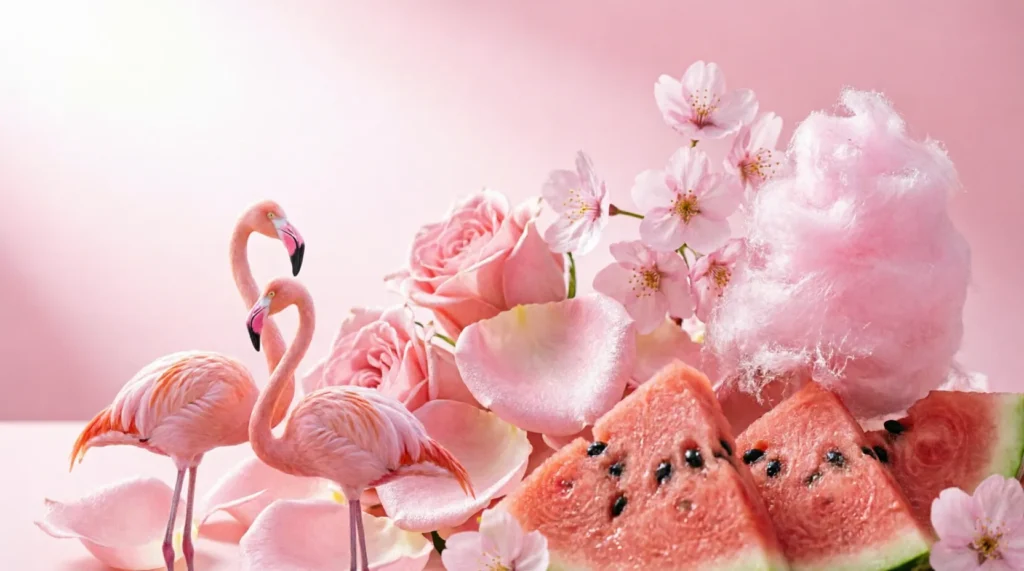
[IMAGE: Pink flowers, cotton candy, and a rosy sunset]
Her cheeks were as pink as a blooming rose.
The sunset glowed like pink cotton candy in the sky.
The baby’s blanket was as pink as cherry blossoms in spring.
Her dress shimmered like a field of pink tulips.
The clouds looked as pink as strawberry ice cream.
The seashell was as pink as a flamingo’s feathers.
The sunrise spread across the sky like pink watercolor paint.
The ribbon was as pink as bubble gum.
His embarrassed face turned as pink as a ripe peach.
The petals floated like soft pink snowflakes.
The room glowed as pink as a neon sign.
The sunset was like a giant pink painting.
Her nails shone like tiny pink pearls.
The cupcake frosting looked as pink as raspberry candy.
The flamingo stood proudly, pink as a summer flower.
The scarf was as pink as a cherry blossom tree.
The evening sky looked like pink silk stretched across the horizon.
The balloon floated like a pink cloud.
Her smile was as bright and pink as a fresh watermelon slice.
The toy looked as pink as cotton candy at a fair.
The lake reflected the sunset like liquid pink glass.
The flower garden glowed as pink as a basket of roses.
The shell sparkled like a pink jewel.
The horizon blushed pink like a shy face.
The little piglet was as pink as bubble bath foam.
These examples work well because they create strong pictures in your mind. Many use familiar objects, making them easy for readers to imagine.
Good similes for pink also add sensory details and emotions. They help your writing feel more vivid and memorable.
Let’s look at how you can create your own comparisons.
How to Use Similes for Pink in Your Writing
You don’t need to be a professional author to use colorful comparisons. Follow these simple steps.
Choose what you want to describe.
Think about the pink object, scene, or feeling you want readers to picture.
Find something familiar that shares the same shade or mood.
Flowers, sunsets, candy, flamingos, and peaches are great choices.
Use “like” or “as.”
For example: “The evening clouds were as pink as cotton candy.”
Keep your comparison clear and natural.
Avoid forcing unusual comparisons that might confuse readers.
Example sentence:
“The sky above Amina’s house glowed like pink silk as the sun disappeared.”
Once you understand this process, you’ll find that similes for pink fit naturally into stories and poems.
Similes for Pink in Poems and Stories
Writers often use colorful comparisons to create emotion and imagery. Poems and stories become more memorable when readers can clearly picture the scene.
Poem by Sofia
The dawn appeared like pink watercolor paint,
Soft and quiet above the hills,
As pink as cherry blossoms dancing in spring.
Story sentence by Hassan
Hassan watched the sunset spread across the ocean like pink silk, making the waves shine softly.
Poem by Mei
Her laughter bloomed like pink roses,
Bright as candy clouds after the rain,
Filling the garden with joy.
Creative writing teachers often encourage students to use figurative language because it creates rhythm and stronger emotions. That’s one reason similes for pink appear so often in poems and stories.
As you practice, you’ll discover your own favorite comparisons.
Common Mistakes Students Make With Similes for Pink
Using comparisons that don’t relate to pink.
Trying to compare pink to something completely unrelated can confuse readers. Stay with familiar pink objects or scenes.
Forgetting to use “like” or “as.”
Without these words, your sentence may become a metaphor instead of a simile.
Repeating the same example too often.
Using “pink as a rose” every time can make your writing feel repetitive. Try flowers, sunsets, candy, or flamingos instead.
Making comparisons too complicated.
Simple images are usually easier for readers to understand.
Ignoring different shades of pink.
Light pink and bright pink can create different moods, so choose comparisons carefully.
These mistakes are completely normal, and fixing them gets easier with practice.
Fun Activities to Practice Similes for Pink
Create a Pink Picture Challenge.
Grab a pencil and describe five pink objects around you using similes.
Play the Color Match Game.
With friends or classmates, take turns naming pink things and inventing comparisons.
Draw and Write.
Draw a pink sunset or flower, then write three similes for pink underneath your picture.
Read Poems and Find Similes.
Challenge yourself to spot colorful comparisons in poems and stories.
Make a Worksheet.
Create two columns. Put pink objects on one side and matching comparisons on the other.
Story Starter Game.
Write a short paragraph beginning with: “The sky looked as pink as…”
These activities make practice feel more like play than homework.
What NOT to Do With Similes for Pink
Don’t assume every simile must mention flowers.
Roses are wonderful, but sunsets, candy, shells, and clouds work too.
Don’t make every comparison overly dramatic.
Simple images often create stronger descriptions.
Don’t use random objects that aren’t naturally pink.
Readers understand comparisons better when they connect with real experiences.
Don’t believe there is only one “correct” simile.
Different writers can create different images, and creativity is encouraged.
Understanding what to avoid helps you write with more confidence.
Frequently Asked Questions About Similes for Pink
What is a simile for pink?
A simile for pink compares something to another pink object using “like” or “as.” For example, “Her cheeks were as pink as a rose.” These comparisons make descriptions easier to imagine.
How do you use similes for pink in a sentence?
You can use them to describe colors, emotions, clothing, flowers, or sunsets. For example, “The clouds looked like pink cotton candy floating above the mountains.”
What is the difference between a simile and a metaphor for pink?
A simile uses “like” or “as,” such as “as pink as a peach.” A metaphor makes a direct comparison, like saying, “The sunset was a pink blanket across the sky.”
Are similes for pink suitable for students?
Yes. They are great for elementary, middle school, and even high school writing. Teachers often encourage students to use them because they strengthen imagery and creativity.
Why do writers use similes for pink?
Writers use these comparisons to create vivid pictures and emotions. According to creative writing teachers and literacy researchers, descriptive imagery helps readers connect with stories and poems.
Final Thoughts on Similes for Pink
Learning similes for pink gives you a fun and creative way to describe colors, feelings, and beautiful scenes. Whether you’re writing about flowers, sunsets, or rosy cheeks, colorful comparisons make your ideas come alive.
You discovered many examples, learned how to create your own, and explored common mistakes to avoid. With practice, you’ll find that describing pink becomes much easier.
Remember that good writing isn’t about using complicated words. It’s about helping readers see what you imagine.
Keep experimenting, keep writing, and enjoy adding a little more color to your words—your creativity will grow with every sentence you write.
Liam is a language enthusiast and lead writer at Similepedia.com, where he focuses on creating clear, creative, and easy-to-use similes for everyday writing. He specializes in turning simple ideas into vivid comparisons that make sentences more engaging, expressive, and memorable.
Instead of overcomplicating language with technical jargon, Liam approaches similes as practical tools for better communication. He breaks down how comparisons work, when to use them, and how to make them sound natural — not forced or awkward.
He pays close attention to tone, context, and clarity, ensuring every simile fits smoothly into real sentences. From fun and playful comparisons to more descriptive and expressive ones, Liam helps readers improve how they write, speak, and express ideas.
At Similepedia.com, his mission is simple: make language more colorful and effective without making it complicated. He doesn’t just list similes — he helps readers understand how to use them confidently in real situations.