In short, similes for beautiful eyes are comparisons that help you describe eyes in a vivid and memorable way. They make stories, poems, and essays more colorful and expressive. Keep reading to discover examples, writing tips, and fun ways to practice using them.
What Are the Similes for Beautiful Eyes? (And Why They Matter)
Have you ever stared at a blank page and wondered how to describe someone’s eyes without just saying “pretty”? Maybe your teacher asked for more detail, or you wanted your story to sound more interesting. You are not alone.
Similes for beautiful eyes are comparisons that use words like “as” or “like” to help readers picture lovely eyes. They connect eyes with objects, colors, or feelings that people already understand.
These similes matter because they make your writing richer. You can use them in essays, stories, poems, and even reading assignments where you need to explain imagery.
Language arts researchers and literacy educators often encourage students to use figurative language because it improves creativity and reading comprehension. When you learn these comparisons, your descriptions become more memorable.
Now that you know what they are, let’s explore some vivid examples you can use right away.
The Best Examples of Similes for Beautiful Eyes
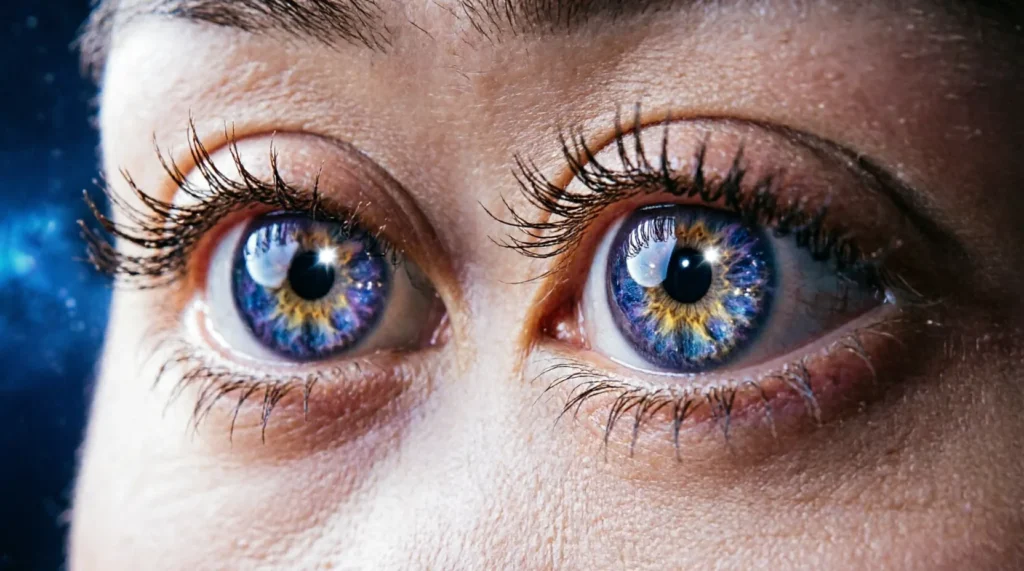
[IMAGE: Sparkling eyes with stars reflected in them]
Her eyes sparkled like stars on a clear summer night.
His eyes were as blue as the ocean at sunrise.
Her eyes shone like polished emeralds.
His eyes were as bright as morning sunshine.
Her eyes glittered like diamonds under a lamp.
Their eyes were as gentle as moonlight on calm water.
Her eyes were like pools of honey glowing in the sun.
His eyes were as clear as crystal glass.
Her eyes twinkled like fairy lights in the dark.
His eyes were as deep as the sea.
Her eyes shined like pearls in a treasure chest.
His eyes were as warm as candlelight.
Her eyes sparkled like fresh dew on flowers.
His eyes were like sapphires resting in velvet.
Her eyes were as soft as a peaceful sunset.
His eyes glimmered like stars reflected in a lake.
Her eyes were like two shining gems.
His eyes were as bright as a rainbow after rain.
Her eyes sparkled like snowflakes in winter sunlight.
His eyes were like lanterns guiding the way.
Her eyes were as lovely as blooming roses.
His eyes shone like the moon above the ocean.
Her eyes sparkled like sunlight dancing on waves.
His eyes were as mysterious as the night sky.
Her eyes gleamed like silver under moonlight.
These examples work because they create clear pictures in your mind. Good similes use imagery and emotional details that help readers feel something.
Creative writing teachers often encourage you to choose comparisons that match the mood of your story. The right image can make a character unforgettable.
Next, let’s see how you can use these comparisons naturally in your own writing.
How to Use Similes for Beautiful Eyes in Your Writing
Picture the eye color and mood.
Think about whether the eyes are bright, calm, mysterious, or joyful. Your comparison should match that feeling.
Choose something familiar.
You can compare eyes to stars, oceans, jewels, or sunlight because readers easily understand those images.
Keep your similes fresh.
Avoid repeating the same comparison every time. Variety makes your writing more interesting.
Use them where they matter most.
Add a simile when introducing a character or describing an emotional moment.
Example sentence:
“Amira smiled softly, and her eyes sparkled like stars scattered across the night sky.”
As you become more confident, you’ll notice these expressions appearing naturally in stories and poems.
Similes for Beautiful Eyes in Poems and Stories
Poets and authors use similes to create emotion and rhythm. They help readers imagine characters and connect with feelings.
Poem by Sofia
“Your eyes shine like stars above the sea,
A gentle light that smiles at me.”
Story snippet by Aarav
As Aarav greeted his grandmother, he noticed her eyes glowing like candlelight. Their warmth made him feel safe and loved.
Poem by Zainab
“Her eyes sparkled like morning dew,
Bright and fresh with every view.”
Writers use these images because they bring scenes to life. You can do the same in your own poems and stories.
Before you start writing, it helps to know some common mistakes students often make.
Common Mistakes Students Make With Similes for Beautiful Eyes
Using too many similes in one paragraph
This is normal. If every sentence contains a comparison, your writing may feel crowded. Choose only the strongest examples.
Comparing eyes to unrelated things
A comparison should make sense. Saying eyes are “like a refrigerator” might confuse readers unless you are writing humor.
Repeating the same simile again and again
Using “like stars” every time can become boring. Try oceans, gems, moonlight, or flowers for variety.
Forgetting to match the mood
If a scene is sad, a cheerful comparison may not fit. Think about the emotions you want readers to feel.
Confusing similes with metaphors
A simile uses words such as “like” or “as.” This mistake is common, and with practice, you can easily tell the difference.
Now that you know what to avoid, let’s make practice fun.
Fun Activities to Practice Similes for Beautiful Eyes
Create a Simile Journal
Grab a pencil and write five new comparisons for eyes every day. Challenge yourself to use different colors and emotions.
Play the Eye Description Game
With friends or classmates, describe famous characters using similes. See who creates the most imaginative comparison.
Draw and Write
Sketch a pair of eyes and add three similes around the picture. Combining art and writing helps you remember imagery.
Read Poetry for Inspiration
Try reading poems and searching for comparisons about eyes or beauty. Notice how authors create emotions.
Story Challenge
Write a short paragraph introducing a character. Include two similes for beautiful eyes without overusing them.
Worksheet Practice
Create a worksheet with incomplete sentences and fill in your own comparisons. This activity is great for homework or classroom practice.
These activities help you become more creative and confident with figurative language.
What NOT to Do With Similes for Beautiful Eyes
Don’t think every beautiful eye description must involve stars.
Stars are popular, but oceans, jewels, flowers, and sunlight work well too.
Don’t force a comparison.
If a simile sounds strange, choose another image that feels natural.
Don’t make comparisons too complicated.
Simple images are often more powerful and easier for readers to understand.
Don’t use similes in every sentence.
Too many comparisons can distract readers from your story or poem.
Understanding these habits will help you use figurative language more effectively.
Frequently Asked Questions About Similes for Beautiful Eyes
What is a simile for beautiful eyes?
A simile for beautiful eyes is a comparison that uses “like” or “as” to describe eyes. For example, “Her eyes sparkled like stars in the night sky.” These comparisons help readers imagine beauty more clearly.
How do you use similes for beautiful eyes in a sentence?
You can place them in descriptions of characters or emotions. For example, “His eyes were as blue as the ocean at sunrise.” This creates vivid imagery and makes your writing more engaging.
What is the difference between a simile and a metaphor for beautiful eyes?
A simile uses words such as “like” or “as.” A metaphor makes a direct comparison without those words. Both add imagery, but similes are often easier for students to recognize.
Are similes for beautiful eyes suitable for kids?
Yes. They are excellent for students in upper elementary and middle school. Teachers and language arts educators often use them to teach descriptive writing.
Why do writers use similes for beautiful eyes?
Writers use them to create emotion and vivid pictures. They help readers connect with characters and remember scenes more easily.
Final Thoughts on Similes for Beautiful Eyes
Learning similes for beautiful eyes gives you many ways to describe characters with creativity and emotion. Instead of using the same words repeatedly, you can paint pictures with stars, oceans, gems, and moonlight.
You discovered dozens of examples, learned how to use them, and explored activities that make practice enjoyable. These skills can help you with stories, poems, and school assignments.
Literacy researchers and creative writing teachers agree that figurative language helps students express ideas more clearly. The more you practice, the easier it becomes.
Keep experimenting with your own comparisons, and remember that great writing grows one sentence at a time. Happy writing, and enjoy bringing your imagination to life.
Sara Liu holds a Master’s degree in English Education from the University of Washington and has been an educator for over 15 years. She specializes in curriculum development for elementary and middle school students, with a particular focus on figurative language. Sara’s love for similes and metaphors blossomed when she discovered their power to spark imagination and convey emotion. At SimilePedia, Sara creates engaging worksheets and reference guides that help young learners grasp the nuances of figurative language. Her favorite part of writing content is developing resources that make complex concepts accessible to children. She is passionate about nurturing a love for words and creativity in her students, and her contributions are shaped by this commitment.