In short, similes for abandoned are comparisons that help readers understand the feeling, appearance, or atmosphere of something that has been left behind, forgotten, or neglected. They make descriptions more vivid and emotional, helping your writing feel alive and memorable. Keep reading to discover powerful examples, writing tips, and fun ways to practice using them.
What Are Similes for Abandoned? (And Why They Matter)
Have you ever stared at a writing assignment and known something felt lonely or forgotten, but you couldn’t find the right words to describe it? Maybe your teacher asked for stronger imagery, or you wanted your story to sound more dramatic and realistic.
Similes for abandoned compare something neglected or left behind to another familiar image using words like “as” or “like.” These comparisons help readers instantly picture and feel what you are describing.
For example, saying “The house stood like a forgotten photograph” creates a much stronger image than simply saying “The house was abandoned.” The simile helps your reader see and feel the scene.
Language arts educators and literacy researchers often encourage students to use similes because they strengthen descriptive writing, improve reading comprehension, and help writers express emotions more clearly. Whether you’re writing a story, poem, essay, or creative assignment, these similes can make your work more engaging.
Now let’s explore some of the best examples you can use in your own writing.
The Best Examples of Similes for Abandoned
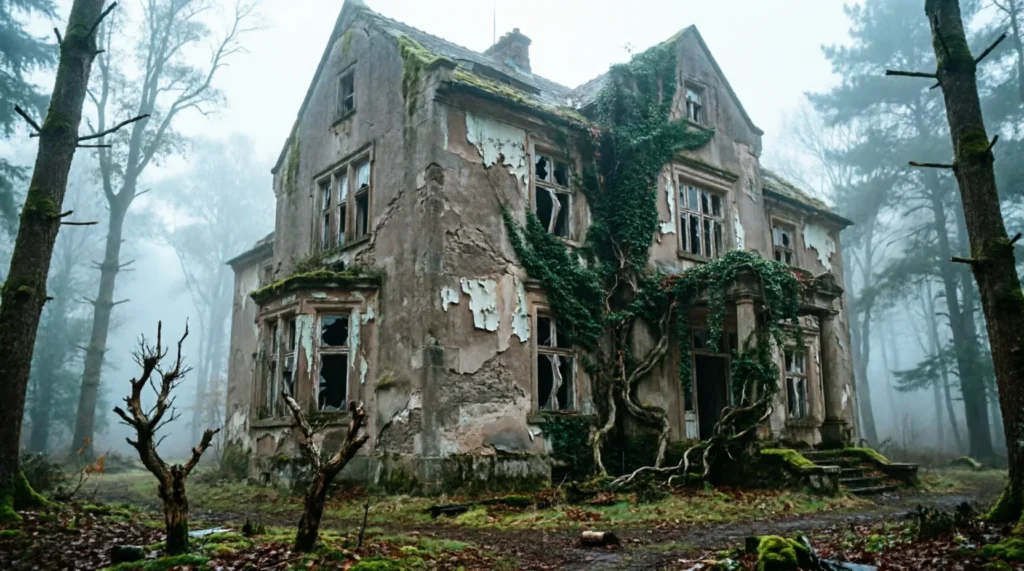
[IMAGE: An old deserted house surrounded by overgrown grass]
The old house stood like a forgotten photograph fading in the sun.
The playground was as empty as a stage after the final curtain.
The building sat like a book no one had opened in years.
The road stretched ahead like a path abandoned by time itself.
The village looked as lonely as a single leaf after autumn.
The factory stood like a giant left sleeping for centuries.
The room felt as deserted as an island in the middle of the ocean.
The garden looked like a dream someone had stopped remembering.
The train station sat like an unanswered letter.
The cabin stood as silent as a graveyard at midnight.
The school appeared like a forgotten chapter in history.
The street was as empty as a nest after the birds had flown away.
The warehouse stood like a castle deserted by its king.
The park looked as neglected as a toy left in the rain.
The boat drifted like a memory nobody wanted to revisit.
The house sat like a lonely candle after the lights went out.
The farm looked as abandoned as a treasure map no one followed.
The theater stood like a song that had lost its audience.
The hallway felt as hollow as an echo in an empty cave.
The town rested like a forgotten bookmark in an old novel.
The church stood like a monument hidden from the world.
The field looked as lonely as a kite tangled in a tree.
The store sat like a gift that had never been opened.
The mansion stood like a secret nobody cared to uncover.
The neighborhood felt as quiet as a clock that had stopped ticking.
These examples work well because they create strong imagery and emotional connections. Instead of simply telling your reader something is abandoned, they help readers picture the scene through familiar objects, memories, and experiences. The best similes often combine visual details with feelings such as loneliness, neglect, or silence.
Once you know good examples, the next step is learning how to use them naturally in your own writing.
How to Use Similes for Abandoned in Your Writing
Using similes effectively is easier than many students think. Here are a few simple steps you can follow.
Identify what feels abandoned. Ask yourself what object, place, or character seems forgotten, neglected, or left behind.
Think about the emotion. Is it lonely, sad, eerie, quiet, or mysterious? Your comparison should match that feeling.
Compare it to something familiar. Readers connect best with images they already understand, such as photographs, books, toys, or empty stages.
Keep the comparison clear. Choose similes that create an immediate picture rather than confusing your audience.
Example sentence:
“The abandoned library stood like a forgotten photograph, gathering dust while the world moved on.”
When you focus on clear imagery and emotion, your similes become much more memorable for your reader.
Similes for Abandoned in Poems and Stories
Creative writers use similes to build atmosphere and help readers feel emotions without directly stating them. You can find similes for abandoned settings in poems, stories, songs, and descriptive paragraphs.
Here’s a short poem snippet:
“Behind the hill stood an old barn, Like a memory lost in the rain, Silent beneath the gray sky, Waiting to be found again.”
Story example:
Amina wandered down the deserted street. The empty shops stood like unopened letters, their dusty windows hiding stories nobody remembered anymore.
Another story example:
Carlos pushed open the gate. The garden stretched before him like a dream someone had forgotten, tangled with weeds and silence.
Poets and authors often use these comparisons because they create vivid imagery and emotional depth. Instead of telling readers a place is abandoned, they allow readers to experience that feeling through powerful mental pictures.
As you practice, you’ll also learn which mistakes to avoid.
“Like a tree standing alone after the storm” — Captures the feeling of being left behind while everything else has moved on, making it great for descriptive writing.
“As empty as a dried-up stream” — Shows loneliness and silence in a natural setting, perfect for essays and narratives.
“Like a forgotten shell on the shore” — Suggests something once valued but now left behind, adding gentle emotion to descriptions.
“As still as a deserted meadow at dusk” — Creates a quiet, lonely mood that fits vivid scene-setting.
“Like a lone hill beneath gray clouds” — Highlights isolation and distance, making landscapes feel more emotional.
💛 Warm & Emotional (for personal stories, letters, heartfelt writing)
“Like a toy left on the attic shelf” — Expresses the sadness of being forgotten in a way that feels familiar and relatable.
“As lonely as a birthday card never opened” — Emphasizes disappointment and neglect, ideal for emotional storytelling.
“Like an old photograph tucked away in a drawer” — Suggests treasured memories that have been forgotten over time.
“As forgotten as yesterday’s footprints” — Reflects how quickly someone or something can seem left behind.
“Like a silent chair waiting by the window” — Conveys quiet hope mixed with loneliness, fitting heartfelt writing.
✨ Poetic & Romantic (for poems, song lyrics, love writing)
“Like the last star fading before sunrise” — Creates a delicate image of being quietly left behind.
“As abandoned as a song with no one to sing it” — Adds emotion and beauty to poems about loneliness or loss.
“Like a candle burning in an empty room” — Suggests quiet endurance despite isolation.
“As distant as a forgotten dream” — Brings a gentle, reflective tone to romantic or poetic writing.
“Like petals scattered by the evening wind” — Symbolizes separation and abandonment with graceful imagery.
😄 Playful & Fun (for casual use, social media captions, humor)
“Like the last slice of plain bread at a party” — Adds a funny twist to feeling ignored or overlooked.
“As abandoned as an old flip phone” — Works well for jokes about outdated things.
“Like a sock without its matching pair” — Humorously captures the feeling of being left alone.
“As forgotten as last month’s homework” — A lighthearted comparison students can easily relate to.
“Like a shopping cart stuck in the corner of the parking lot” — Gives a funny image of something left behind and unnoticed.
These tone-grouped similes for similes for abandoned give you options for every kind of writing — whether you need something soft and poetic or bold and fun. Try picking one from each group and using them in a short paragraph to see how different the same keyword can feel.
Using similes for abandoned in Real Writing Contexts
In a Descriptive Essay
When writing about an old building, an empty place, or a lonely object, similes for abandoned help readers picture the scene more clearly. They turn plain descriptions into memorable images that create emotion. For example: “The abandoned farmhouse stood like a forgotten shell on the shore, silent against the wide open fields.”
In a Poem
Similes for abandoned can create a quiet, thoughtful mood in poetry by comparing loneliness to familiar images from nature or everyday life. They help readers connect emotionally with the poem. For example: “I drifted through the evening as abandoned as a song with no one to sing it, while the stars watched in silence.”
In a Story or Creative Scene
In stories, similes for abandoned can reveal a character’s feelings or make a setting seem more powerful without directly stating emotions. This makes the scene feel more realistic and engaging. For example: “As Maya walked into the empty classroom, she felt like a toy left on the attic shelf, forgotten by everyone she trusted.”
In a Social Media Caption or Message
A short, clever simile can quickly express feeling left out while keeping the tone light or relatable. It’s an easy way to make captions more creative and memorable. For example: “Weekend plans disappeared, and now I’m like a sock without its matching pair. 😂”
The more you practice placing similes for similes for abandoned into real sentences, the more natural your writing will sound — and the more your reader will feel exactly what you want them to feel.
Common Mistakes Students Make With Similes for Abandoned
Choosing comparisons that don’t match the mood If you compare an abandoned building to something cheerful and energetic, your imagery may feel confusing. Try matching the comparison to the feeling you want readers to experience.
Using overcomplicated similes Long, complicated comparisons can distract readers. Simple, clear images are often more effective.
Repeating the same idea Using “like a ghost town” repeatedly can make your writing feel repetitive. Challenge yourself to find fresh comparisons.
Forgetting the emotional connection A simile should do more than describe appearance. It should also help readers understand the emotion behind the scene.
Making the comparison unrelated to abandonment This is especially common with similes for abandoned places. Make sure your comparison suggests neglect, loneliness, silence, or being forgotten.
These mistakes are completely normal when you’re learning. The good news is that practice helps you spot and fix them quickly.
Fun Activities to Practice Similes for Abandoned
Create an Abandoned Places Journal Grab a pencil and write descriptions of five abandoned places you imagine. Add a different simile to each one.
Simile Match Game Play with friends or classmates by matching abandoned objects to creative comparisons. See who creates the most vivid image.
Drawing and Writing Challenge Draw an abandoned house, park, or school. Then write three similes that describe what you see.
Reading Detective Look for similes in books or short stories that describe lonely or neglected places. Notice how authors create mood and atmosphere.
Five-Minute Story Sprint Challenge yourself to write a short story that includes at least three similes for abandoned settings.
Worksheet Practice Create a worksheet with abandoned scenes and blank spaces for similes. Try filling them with original comparisons that match the mood.
The more you play with language, the more natural these similes will feel in your writing.
What NOT to Do With Similes for Abandoned
Don’t use a simile just because it sounds fancy. The best similes help readers understand the scene more clearly.
Don’t force every sentence to include a simile. Too many comparisons can make writing feel crowded and distracting.
Don’t copy common examples without adapting them. Readers enjoy fresh imagery, so try creating your own unique comparisons.
Don’t assume abandoned always means scary. An abandoned place can feel sad, mysterious, peaceful, nostalgic, or even beautiful depending on your description.
Understanding what to avoid can make your writing stronger and more effective.
Frequently Asked Questions About Similes for Abandoned
What is a simile for an abandoned house?
A good simile for an abandoned house is “The house stood like a forgotten photograph fading in the sun.” This comparison creates both a visual image and an emotional feeling of neglect and time passing.
How do you use similes for abandoned in a sentence?
You can compare an abandoned place to something familiar. For example: “The old train station sat like an unanswered letter, waiting for someone to return.”
Why do writers use similes for abandoned places?
Writers use them to create stronger imagery and emotional impact. A well-crafted simile helps readers picture the scene and feel the loneliness or mystery associated with abandonment.
Are similes for abandoned appropriate for school writing?
Yes. They are excellent for creative writing assignments, descriptive essays, poems, and short stories. Teachers often encourage students to use similes because they make writing more engaging.
What emotions can similes for abandoned convey?
They can express loneliness, sadness, mystery, nostalgia, silence, neglect, or even beauty. The specific emotion depends on the comparison you choose and the context of your writing.
Final Thoughts on Similes for Abandoned
Similes for abandoned settings help transform simple descriptions into vivid, emotional scenes. Instead of merely telling readers that something has been left behind, you show them through memorable comparisons.
You learned what these similes are, explored more than twenty examples, discovered how to use them effectively, and practiced spotting common mistakes. You also saw how they appear naturally in poems and stories.
The strongest similes combine clear imagery with genuine emotion. When you choose comparisons carefully, your readers can picture the scene and connect with it on a deeper level.
Keep experimenting, keep writing, and remember that every great writer improves one description at a time—your next simile might be the one that brings your entire story to life.
Frequently Asked Questions
What are similes for abandoned and why are they useful in writing?▼
Similes for abandoned are comparisons that describe feelings, appearances, or atmospheres of things that have been left behind or neglected. They enhance the vividness of your writing, making it more engaging and emotionally resonant for readers.
Can you provide examples of similes for abandoned mentioned in the article?▼
Yes, some examples include ‘The old house stood like a forgotten photograph fading in the sun’ and ‘The playground was as empty as a stage after the final curtain.’ These similes create strong imagery that evokes feelings of loneliness and neglect.
How do similes improve descriptive writing?▼
Similes improve descriptive writing by allowing writers to create relatable images in the minds of readers. By comparing abandoned objects or places to familiar experiences, they evoke emotions and enhance comprehension.
What writing tips does the article offer for using similes effectively?▼
The article suggests using similes that combine visual details with emotional feelings such as loneliness or silence. Practicing with various examples can help writers incorporate similes naturally into their narratives.
Why do educators encourage the use of similes in student writing?▼
Educators promote similes because they strengthen descriptive writing and help students express emotions more clearly. Additionally, similes can improve reading comprehension by creating vivid mental images.
How can I practice incorporating similes into my own writing?▼
You can practice by creating your own similes based on personal experiences or familiar objects. Try to think of comparisons that evoke emotions and enhance the imagery of your writing.
What is the impact of using similes on the reader's experience?▼
Using similes enhances the reader’s experience by making descriptions more vivid and relatable. This emotional connection helps readers visualize scenes and feel the atmosphere, making the writing more memorable.
Sara Liu holds a Master’s degree in English Education from the University of Washington and has been an educator for over 15 years. She specializes in curriculum development for elementary and middle school students, with a particular focus on figurative language. Sara’s love for similes and metaphors blossomed when she discovered their power to spark imagination and convey emotion. At SimilePedia, Sara creates engaging worksheets and reference guides that help young learners grasp the nuances of figurative language. Her favorite part of writing content is developing resources that make complex concepts accessible to children. She is passionate about nurturing a love for words and creativity in her students, and her contributions are shaped by this commitment.