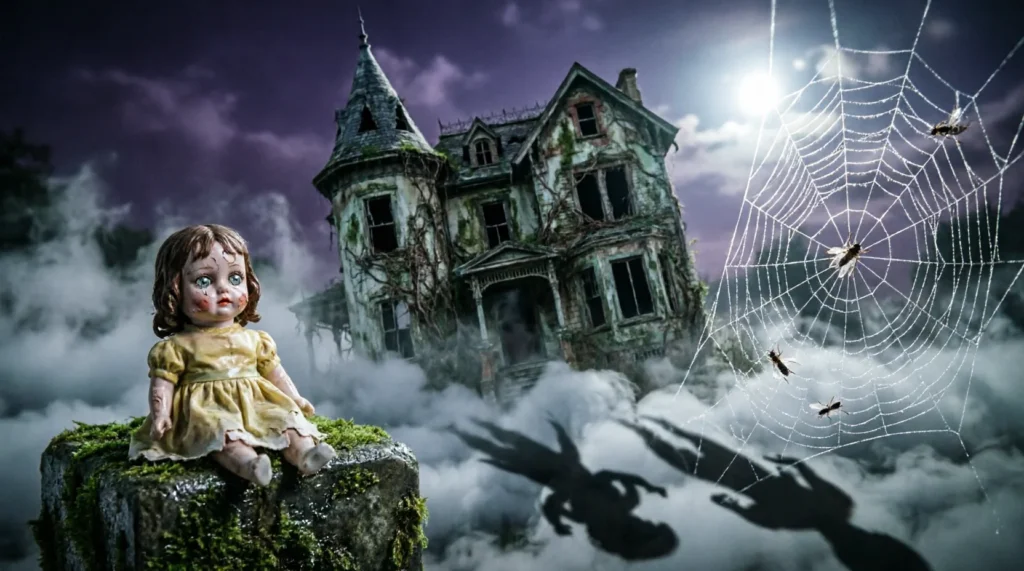
In short, similes for creepy are comparisons that help you describe something spooky, unsettling, strange, or frightening by using the words “like” or “as.” They make writing more vivid and help readers feel the eerie atmosphere you want to create. Keep reading to discover powerful examples, writing tips, and fun ways to use creepy similes in your own stories and poems.
What Are Similes for Creepy? (And Why They Matter)
Have you ever stared at a blank page while trying to describe a haunted house, a mysterious shadow, or a strange noise in the dark? Many students know something feels creepy but struggle to explain exactly why.
Similes for creepy are comparisons that help you describe spooky, unsettling, or eerie things by connecting them to something familiar. They usually use the words “like” or “as” to make an image stronger in your reader’s mind.
These similes matter because they make your writing more interesting and memorable. Instead of simply saying something was scary, you can show your readers exactly how it felt.
Literacy educators and creative writing teachers often encourage students to use similes because they improve descriptive writing, reading comprehension, storytelling, and creative expression. When you use vivid comparisons, your readers can imagine scenes more clearly and connect with your writing on a deeper level.
Now that you know what creepy similes are, let’s explore some examples you can use right away.
The Best Examples of Similes for Creepy
The abandoned house stood silent like a forgotten tomb.
His smile was as creepy as a clown appearing at midnight.
The fog drifted across the road like ghostly fingers.
The hallway was as eerie as an empty hospital at night.
The doll’s eyes stared at me like they knew a secret.
The old tree twisted in the wind like a giant skeletal hand.
Her whisper floated through the room like a ghost searching for someone.
The shadow moved like a spider crawling across the wall.
The silence felt as creepy as a graveyard at midnight.
The moon hung in the sky like a watchful eye.
The attic smelled as creepy as a room locked for a hundred years.
The rocking chair creaked like it was moving by itself.
His laugh echoed through the house like a warning from the dark.
The abandoned carnival looked like a nightmare frozen in time.
The portrait stared down at us like it was alive.
The footsteps behind me sounded like someone following my every move.
The mist wrapped around the trees like pale ghosts dancing.
Her cold stare was as creepy as a snake watching its prey.
The empty playground looked like it belonged in a horror movie.
The curtain moved like an invisible hand had touched it.
The cave entrance gaped like the mouth of a monster.
The broken doll lay on the floor like a forgotten curse.
The wind howled through the woods like lost spirits crying out.
The old clock ticked like it was counting down to something terrible.
The dark hallway stretched ahead like an endless tunnel of shadows.
These examples work because they create strong mental pictures. Many use familiar spooky images such as ghosts, shadows, skeletons, and abandoned places to help readers instantly understand the feeling.
Good creepy similes also appeal to the senses. You can almost hear the creaking chair, see the drifting fog, and feel the unsettling silence. That sensory detail makes your writing more powerful.
Once you have a collection of examples, the next step is learning how to use them naturally in your own work.
How to Use Similes for Creepy in Your Writing
Choose the exact creepy feeling you want to create. Ask yourself whether your scene feels mysterious, unsettling, haunted, or frightening. Different similes create different moods.
Compare it to something readers can easily imagine. A comparison works best when your reader instantly understands it. Ghosts, shadows, spiders, and abandoned places are common creepy images.
Don’t overuse similes. One strong simile often creates more impact than several weak ones. Let your best comparison do the work.
Match the simile to your story. If you are writing about a haunted forest, use nature-based creepy comparisons. If you are writing about a haunted house, focus on eerie indoor images.
Example sentence:
“The staircase groaned beneath Maya’s feet like an old ghost waking from a long sleep.”
When you use similes this way, your writing feels more natural and engaging instead of forced.
Similes for Creepy in Poems and Stories
Poets and authors often use similes for creepy to build atmosphere and emotion. These comparisons help readers feel suspense before anything frightening even happens.
Here’s a short poem example:
A shadow slipped across the floor, Like smoke escaping through a door. The silence lingered in the air, As creepy as a midnight stare.
Story example:
Aisha paused outside the abandoned cabin. The windows stared at her like empty eyes. The wind whispered through the cracks like someone trying to speak.
Story example:
Mateo stepped into the basement. The darkness wrapped around him like a cold blanket, and every creak sounded like a secret waiting to be uncovered.
These examples show how similes create mood, imagery, and rhythm. Creative writing teachers often encourage students to use them because they help readers experience a scene instead of simply reading about it.
As you practice, you’ll start noticing creepy similes in books, poems, and even movies.
“As creepy as mist crawling through empty trees” — Captures a slow, mysterious feeling that works well in nature writing and suspenseful descriptions.
“Like a cave that swallows every sound” — Suggests deep silence and hidden danger, making scenes feel more unsettling.
“As creepy as ivy covering abandoned walls” — Highlights an eerie, forgotten appearance in outdoor settings.
“Like shadows stretching across a lonely field” — Creates a vivid image of darkness slowly taking over a place.
“As creepy as a crow watching from a bare branch” — Emphasizes the uneasy feeling of being observed in a quiet landscape.
💛 Warm & Emotional (for personal stories, letters, heartfelt writing)
“Like an unexpected whisper behind my shoulder” — Describes the sudden surprise of a frightening moment in a personal memory.
“As creepy as an old photograph with fading faces” — Expresses an emotional mix of mystery, nostalgia, and discomfort.
“Like a smile that never reached the eyes” — Shows that someone seems unsettling without directly saying they are scary.
“As creepy as hearing your name in an empty hallway” — Conveys a relatable feeling of nervousness and uncertainty.
“Like a forgotten attic full of silent memories” — Adds an emotional and mysterious atmosphere to reflective writing.
✨ Poetic & Romantic (for poems, song lyrics, love writing)
“Like moonlight hiding behind dark clouds” — Blends beauty and mystery to create a haunting poetic image.
“As creepy as a dream that refuses to fade” — Suggests lingering fear or mystery long after the moment has passed.
“Like echoes trapped inside ancient stone” — Gives poems a timeless, mysterious feeling.
“As creepy as stars disappearing before dawn” — Creates a quiet sense of suspense and uncertainty.
“Like a forgotten melody drifting through the night” — Adds a soft yet eerie mood to lyrical writing.
😄 Playful & Fun (for casual use, social media captions, humor)
“As creepy as a toy that seems to blink” — A lighthearted way to describe something oddly unsettling.
“Like a scarecrow trying to make friends” — Adds humor while still keeping the creepy theme.
“As creepy as a mystery ringtone at midnight” — Works well in funny stories or casual conversations.
“Like socks appearing without their matching pair” — Uses everyday humor to describe something strangely unsettling.
“As creepy as a chatbot answering before you finish typing” — A modern, playful comparison that’s perfect for social media or jokes.
These tone-grouped similes for similes for creepy give you options for every kind of writing — whether you need something soft and poetic or bold and fun. Try picking one from each group and using them in a short paragraph to see how different the same keyword can feel.
Using similes for creepy in Real Writing Contexts
In a Descriptive Essay
When writing a descriptive essay, use similes for creepy to help readers picture an eerie place, object, or atmosphere. A well-chosen comparison makes the scene feel more realistic and memorable. Example:The abandoned lighthouse stood like a cave that swallows every sound, making everyone hesitate before stepping inside.
In a Poem
Similes for creepy can build suspense, mystery, or a haunting mood in poetry. They allow readers to imagine emotions instead of simply being told how to feel. Example:The night was as creepy as a dream that refuses to fade, while silent stars slipped behind the clouds.
In a Story or Creative Scene
In stories, similes for creepy help describe a character’s feelings or create an unsettling setting. They make tense moments more vivid without overexplaining. Example:As Maya reached for the old door, the hallway felt like shadows stretching across a lonely field, and every step made her heart beat faster.
In a Social Media Caption or Message
Short similes for creepy work well in captions and messages because they quickly create a fun or spooky mood. They are especially useful around Halloween or when sharing mysterious photos. Example:This old house is as creepy as a toy that seems to blink. 👀🏚️
The more you practice placing similes for similes for creepy into real sentences, the more natural your writing will sound — and the more your reader will feel exactly what you want them to feel.
Common Mistakes Students Make With Similes for Creepy
Using comparisons that aren’t actually creepy Sometimes students compare something spooky to something ordinary, which weakens the effect. Make sure your comparison matches the mood you want.
Choosing clichés without adding detail Comparisons like “as scary as a ghost” can work, but they become stronger when you add unique details or context.
Using too many similes in one paragraph This is a very common mistake. If every sentence contains a simile, your writing can feel crowded and distracting.
Mixing emotions A creepy scene shouldn’t suddenly include a funny comparison unless you are intentionally creating humor. Keep the mood consistent.
Forgetting the sensory details Creepy writing often involves sounds, sights, and feelings. Adding sensory elements makes your similes more effective.
Making mistakes is a normal part of learning. Every strong writer improves through practice and revision.
Fun Activities to Practice Similes for Creepy
Create a Haunted House Description Grab a pencil and describe a haunted house using at least five creepy similes. Challenge yourself to include sounds, smells, and shadows.
Simile Matching Game Write creepy objects on one side of a page and spooky comparisons on the other. Match them together to create original similes.
Draw and Describe Draw a creepy scene, then write five similes inspired by your picture. This combines art and writing in a fun way.
Creepy Story Challenge Write a short story using at least three similes for creepy. Try to make the reader feel suspense without directly saying something is scary.
Reading Detective Find a spooky story or poem and look for similes. See how the author uses comparisons to create atmosphere.
Worksheet Race Create a worksheet with unfinished similes such as “The shadow moved like…” and challenge yourself or a friend to complete them creatively.
These activities help you build confidence while making figurative language feel more enjoyable and less intimidating.
What NOT to Do With Similes for Creepy
Don’t force a simile into every sentence. Strong writing needs balance. Use similes when they add value, not simply because you feel required to include them.
Don’t choose confusing comparisons. If readers need a long explanation to understand your simile, it may not be effective.
Don’t assume all creepy similes must involve ghosts. Shadows, silence, fog, strange sounds, and abandoned places can be just as creepy.
Don’t copy examples exactly every time. Use examples for inspiration, then create your own unique comparisons that fit your writing style.
Understanding what to avoid can help you make your creepy descriptions much stronger.
Frequently Asked Questions About Similes for Creepy
What is a good simile for creepy?
A good simile for creepy creates a strong image and matches the mood of the scene. For example, “The hallway was as creepy as an abandoned hospital at midnight” helps readers instantly imagine an eerie atmosphere.
How do you use similes for creepy in a sentence?
You can compare a spooky object, place, or feeling to something unsettling. For example: “The fog rolled across the field like ghostly fingers reaching through the darkness.”
What is the difference between a creepy simile and a creepy metaphor?
A simile uses words such as “like” or “as” to make a comparison. A metaphor makes a direct comparison without those words. Both can create creepy imagery, but they work in slightly different ways.
Are similes for creepy appropriate for middle school students?
Yes. Many creepy similes are perfect for middle school writing assignments, especially when students are working on descriptive stories, poems, or Halloween-themed projects.
Why do writers use similes for creepy scenes?
Writers use them to create mood, suspense, and vivid imagery. Instead of simply telling readers something is creepy, they help readers see, hear, and feel the eerie atmosphere.
Final Thoughts on Similes for Creepy
Similes for creepy are powerful tools that help you describe spooky places, strange sounds, mysterious characters, and unsettling moments. They turn ordinary descriptions into memorable images that stay with readers.
In this guide, you explored what creepy similes are, why they matter, and how to use them effectively. You also discovered dozens of examples, practical writing tips, common mistakes, and fun activities for practice.
The more you read and write, the easier it becomes to create your own original comparisons. Many literacy researchers and language arts educators note that regular practice with figurative language helps students become stronger and more confident writers.
Keep experimenting, keep imagining, and remember that every great writer started by learning one creative comparison at a time.
Frequently Asked Questions
What are similes for creepy and how do they enhance writing?▼
Similes for creepy are comparisons that use ‘like’ or ‘as’ to describe spooky, unsettling, or eerie elements in a vivid way. They enhance writing by creating strong mental images that help readers connect emotionally with the atmosphere being described.
Can you provide some examples of similes for creepy?▼
Certainly! Examples include ‘The abandoned house stood silent like a forgotten tomb’ and ‘His smile was as creepy as a clown appearing at midnight.’ These comparisons evoke familiar spooky imagery, making the writing more engaging.
Why are similes important for students and writers?▼
Similes are important because they improve descriptive writing, reading comprehension, storytelling, and creative expression. They allow writers to convey feelings and atmospheres more effectively, helping readers to visualize scenes and connect with the narrative.
How can I effectively use creepy similes in my own writing?▼
To use creepy similes effectively, incorporate them naturally into your descriptions and ensure they enhance the mood you want to evoke. Practice by experimenting with various comparisons and considering how they appeal to the senses to create a more immersive experience for your readers.
What types of imagery should I focus on when creating similes for creepy?▼
Focus on familiar spooky images such as ghosts, shadows, skeletal figures, and abandoned places when creating similes for creepy. These elements resonate with readers and help them instantly grasp the eerie atmosphere you aim to depict.
How do sensory details play a role in creepy similes?▼
Sensory details are crucial in creepy similes because they allow readers to hear, see, and feel the unsettling elements described. For instance, describing a creaking chair or drifting fog adds depth to the imagery, making the experience more vivid and impactful.
What are some common mistakes to avoid when using similes for creepy?▼
Common mistakes include using overly complex or obscure comparisons that may confuse readers instead of enhancing their understanding. Additionally, ensure that the similes align with the overall mood of your writing to maintain consistency and effectiveness.
Liam is a language enthusiast and lead writer at Similepedia.com, where he focuses on creating clear, creative, and easy-to-use similes for everyday writing. He specializes in turning simple ideas into vivid comparisons that make sentences more engaging, expressive, and memorable.
Instead of overcomplicating language with technical jargon, Liam approaches similes as practical tools for better communication. He breaks down how comparisons work, when to use them, and how to make them sound natural — not forced or awkward.
He pays close attention to tone, context, and clarity, ensuring every simile fits smoothly into real sentences. From fun and playful comparisons to more descriptive and expressive ones, Liam helps readers improve how they write, speak, and express ideas.
At Similepedia.com, his mission is simple: make language more colorful and effective without making it complicated. He doesn’t just list similes — he helps readers understand how to use them confidently in real situations.