In short, similes for evident help you describe something that is obvious, easy to notice, or impossible to miss. They make your writing more vivid by comparing clear facts, feelings, or situations to familiar images. Keep reading to discover creative examples, writing tips, and fun practice activities you can use right away.
What Are Similes for Evident? (And Why They Matter)
Have you ever been staring at a blank page while trying to explain that something was obvious, but you couldn’t think of an interesting way to say it? Maybe your teacher asked you to add figurative language, or you wanted your story to sound more engaging.
Similes for evident are comparisons that help show how clear, obvious, or noticeable something is. A simile usually uses the words “like” or “as” to compare one thing to another.
For example, instead of writing “The answer was obvious,” you could write, “The answer was as evident as the sun in a cloudless sky.” The second version creates a stronger picture in the reader’s mind.
Language arts researchers and literacy educators often encourage students to use similes because they improve descriptive writing, reading comprehension, and creative thinking. When you learn how to use similes for evident ideas, your writing becomes more memorable and expressive.
Now that you know what these similes are, let’s look at some examples you can start using today.
The Best Examples of Similes for Evident
[IMAGE: Student writing vivid similes in a notebook]
The truth was as evident as the sun at noon.
Her excitement was as evident as a bright rainbow after rain.
The mistake was as evident as a stain on a white shirt.
His nervousness was as evident as shaking leaves in the wind.
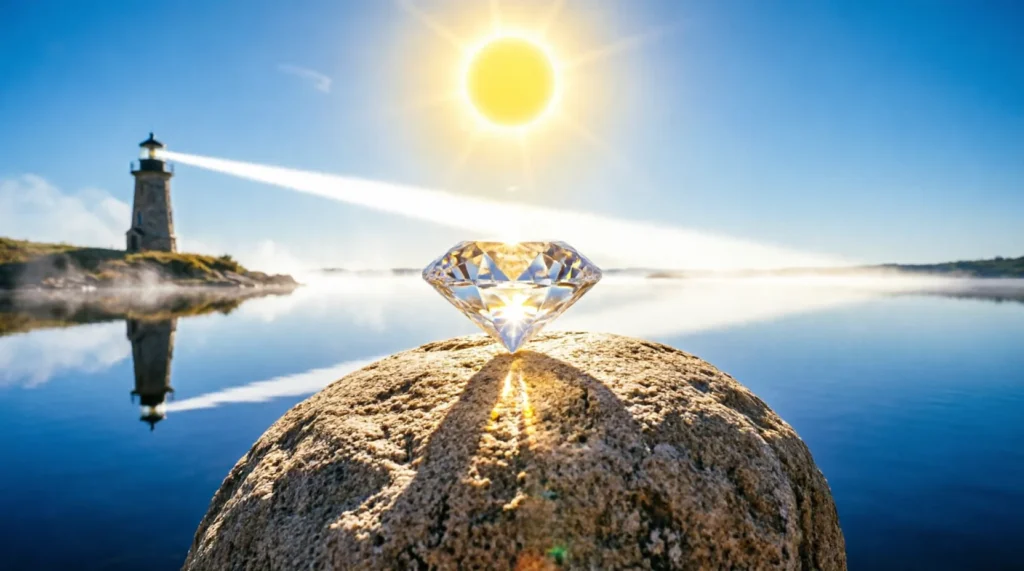
The answer was as evident as a lighthouse on a dark shore.
Their friendship was as evident as footprints in fresh snow.
The solution was as evident as a flashing neon sign.
Her disappointment was as evident as a wilted flower.
The clue was as evident as a full moon in a clear sky.
His happiness was as evident as a child’s laughter in a playground.
The difference was as evident as black ink on white paper.
The pattern was as evident as stripes on a zebra.
Her talent was as evident as stars on a cloudless night.
The danger was as evident as smoke rising from a fire.
His pride was as evident as a trophy on a shelf.
The change was as evident as autumn leaves turning red.
Their excitement was as evident as fireworks in the night sky.
The answer stood out like a giant arrow pointing the way.
Her kindness was as evident as sunshine through an open window.
The problem was as evident as a crack in a glass pane.
His confusion was as evident as a question mark on a test paper.
The success of the project was as evident as a blooming garden.
The evidence was as evident as a spotlight on a stage.
Her determination was as evident as a mountain standing tall.
The improvement was as evident as dawn breaking after a long night.
These examples work well because they connect an obvious idea to something readers can easily picture. Strong imagery helps your audience understand exactly what you mean while making your writing more interesting and memorable.
The next step is learning how you can create your own similes for evident situations.
How to Use Similes for Evident in Your Writing
You don’t need to be a professional author to use similes effectively. You can follow a few simple steps whenever you want to show that something is obvious or clear.
Identify what is evident. Ask yourself what is easy to notice. Is it a feeling, a fact, a clue, or a change?
Think of something naturally obvious. Consider objects or events that people immediately recognize, such as sunshine, fireworks, or a bright light.
Connect the two using “like” or “as.” Create a comparison that feels natural and easy to understand.
Make sure the image strengthens your meaning. Your simile should help readers visualize the situation more clearly.
Example:
“The winning team’s joy was as evident as fireworks lighting up the night sky.”
When you practice this process, you’ll discover that creating similes becomes much easier and more enjoyable.
Similes for Evident in Poems and Stories
Poets and authors often use similes for evident ideas because they create strong imagery and emotional connections. They help readers see, feel, and understand a scene more deeply.
Here are a few short examples:
Aisha watched the sky grow bright.
“The morning arrived, as evident as gold across the horizon, chasing away every shadow.”
Miguel glanced at the scoreboard.
“The victory was as evident as a flag waving above the crowd. No one needed to ask who had won.”
Priya opened the letter and smiled.
“Her happiness was as evident as sunshine pouring through an open window.”
Creative writing teachers often encourage students to use similes because they add rhythm, color, and emotion to stories and poems. When you use vivid comparisons, your readers can connect more easily with your ideas.
Before you start writing your own examples, it’s helpful to know a few common mistakes.
More similes for evident by Tone and Context
🌿 Natural & Descriptive
Like sunlight breaking through morning fog — This simile shows that something becomes impossible to miss after a moment of uncertainty, making it great for essays and descriptive writing.
As plain as footprints in fresh snow — Use this to describe evidence or signs that stand out clearly against their surroundings.
Like a rainbow after a storm — This captures how something becomes beautifully obvious after a difficult or confusing time.
As clear as a mountain peak on a cloudless day — This simile emphasizes perfect visibility and certainty in nature-inspired descriptions.
Like ripples spreading across a still pond — Use this when the truth or meaning gradually becomes evident to everyone watching.
💛 Warm & Emotional
As obvious as a smile on a happy face — This works well when describing feelings or emotions that are easy to recognize.
Like kindness shining through gentle words — Use this to show that someone’s caring nature is evident even without direct actions.
As easy to notice as laughter in a quiet room — This highlights joyful moments that naturally draw everyone’s attention.
Like love glowing in someone’s eyes — This simile fits heartfelt stories where emotions are unmistakably clear.
As clear as a warm hug on a difficult day — Use this to describe comfort or support that is immediately felt and understood.
✨ Poetic & Romantic
Like moonlight dancing across calm water — This creates a graceful image of something becoming softly but unmistakably evident.
As bright as a single star before dawn — Use this to describe a truth or feeling that quietly stands out.
Like a rose blooming in early spring — This suggests that something beautiful becomes evident with time and growth.
As visible as silver dew at sunrise — This poetic simile paints a delicate but unmistakable picture.
Like music floating through an open window — Use this to show that a feeling or idea naturally reveals itself without effort.
😄 Playful & Fun
As obvious as a penguin at the beach — This humorous comparison works well for something that is impossible to overlook.
Like glitter on a black shirt — Use this when describing something that stands out no matter how hard you try to ignore it.
As easy to spot as a giant balloon at a picnic — This playful simile emphasizes visibility in a fun, student-friendly way.
Like a ringtone in a silent classroom — This comparison highlights something that immediately grabs everyone’s attention.
As noticeable as a purple banana — Use this for lighthearted writing when you want to exaggerate how evident something is.
These tone-grouped similes for similes for evident give you options for every kind of writing — whether you need something soft and poetic or bold and fun. Try picking one from each group and using them in a short paragraph to see how different the same keyword can feel.
Using similes for evident in Real Writing Contexts
In a Descriptive Essay
When writing a descriptive essay, you may need to explain how clearly a fact, object, or change can be seen. A well-chosen simile helps readers picture just how evident it is instead of simply telling them. For example: The damage was as plain as footprints in fresh snow, making it impossible for anyone to deny what had happened.
In a Poem
Similes for evident can create mood by revealing emotions or ideas through vivid imagery. They make poems feel more expressive while helping readers connect with the meaning. For example: Your hope was like moonlight dancing across calm water, quietly guiding every restless dream.
In a Story or Creative Scene
In stories, similes for evident can reveal a character’s feelings, an important clue, or a noticeable change in the setting. They help readers experience the scene more vividly. For example: When Maya opened the old letter, her excitement was as obvious as a smile on a happy face, and everyone in the room knew she had found something special.
In a Social Media Caption or Message
Short similes work wonderfully in captions, texts, and posts because they quickly grab attention while adding personality. A fun comparison can make even a simple message more memorable. For example: Today’s good mood is like glitter on a black shirt—you simply can’t miss it!
The more you practice placing similes for evident into real sentences, the more natural your writing will sound — and the more your reader will feel exactly what you want them to feel.
Common Mistakes Students Make With Similes for Evident
Using comparisons that aren’t actually obvious. If the comparison isn’t easy for readers to understand, the simile may create confusion instead of clarity.
Mixing up similes and metaphors. A simile uses words like “like” or “as.” Forgetting those words often turns the comparison into a metaphor.
Choosing clichés too often. Popular comparisons can work, but relying on the same ones repeatedly may make your writing feel less original.
Using similes that don’t match the situation. A serious scene may not benefit from a funny comparison. Try to match the tone of your writing.
Overloading a paragraph with too many similes. Adding a simile to every sentence can distract readers. Use them where they have the strongest impact.
These mistakes are completely normal when you’re learning. The good news is that practice quickly helps you improve.
Fun Activities to Practice Similes for Evident
Simile Match-Up Grab a pencil and create two columns. Write evident situations in one column and obvious objects or events in the other, then match them together.
Simile Drawing Challenge Draw an image such as a lighthouse, rainbow, or spotlight. Then write a simile explaining why it represents something evident.
Story Sentence Game Write five ordinary sentences and challenge yourself to improve each one using a simile for evident.
Reading Detective Look through a favorite book and search for similes. Notice how authors make ideas seem clear and memorable.
Group Simile Contest Play with classmates or family members. Pick a topic and see who can create the most creative simile in one minute.
Worksheet Creation Activity Create your own worksheet with ten statements like “The answer was obvious.” Rewrite each sentence using a different simile for evident.
These activities help you build confidence while making figurative language feel less like homework and more like a creative game.
What NOT to Do With Similes for Evident
Don’t force a comparison that doesn’t fit. A confusing simile can weaken your writing instead of strengthening it.
Don’t assume bigger always means better. Simple similes are often more effective than complicated ones.
Don’t use the same simile repeatedly. Variety keeps your writing fresh and interesting.
Don’t think similes must be poetic all the time. Similes for evident can be simple, practical, funny, or serious depending on your purpose.
Understanding what to avoid can help you create stronger and more natural comparisons.
Frequently Asked Questions About Similes for Evident
What is a simile for evident?
A simile for evident compares something obvious or clear to another object, event, or image that is easy to notice. For example, “The answer was as evident as the sun at noon.” This helps readers immediately understand the idea.
How do you use similes for evident in a sentence?
You can compare something obvious to a familiar image using “like” or “as.” For example, “Her excitement was as evident as fireworks in the night sky.” The comparison makes the feeling easier to visualize.
What is the difference between a simile and a metaphor for evident ideas?
A simile uses comparison words such as “like” or “as.” A metaphor makes a direct comparison without those words. Both can show that something is obvious, but they do so in different ways.
Why do writers use similes for evident descriptions?
Writers use them to create stronger imagery and help readers understand ideas more clearly. They also make writing more engaging and memorable.
Are similes for evident appropriate for students?
Yes. Students of many grade levels can use these similes to improve stories, essays, poems, and creative writing assignments. They are a great way to practice descriptive language.
Final Thoughts on Similes for Evident
Learning similes for evident ideas can make a big difference in your writing. Instead of simply saying that something is obvious, you can create vivid comparisons that help readers see exactly what you mean.
Throughout this article, you’ve explored definitions, examples, writing strategies, common mistakes, and practice activities. Each of these tools can help you become a more confident writer.
Remember that the best similes come from observation and imagination. The more you notice the world around you, the easier it becomes to create meaningful comparisons.
With practice, your similes for evident situations will become clearer, stronger, and more creative—and your readers will enjoy every word along the way.
Frequently Asked Questions
What are similes for evident and why should I use them?▼
Similes for evident are comparisons that help illustrate how clear or obvious something is by using familiar images. They enhance your writing by making it more vivid and engaging, allowing readers to grasp your ideas more effectively.
Can you provide some examples of similes for evident?▼
Certainly! Examples include phrases like ‘The truth was as evident as the sun at noon’ and ‘Her excitement was as evident as a bright rainbow after rain.’ These comparisons create strong imagery that helps convey the clarity of the situation.
How do similes improve my writing?▼
Using similes enhances descriptive writing by adding layers of meaning and imagery. They also improve reading comprehension and creative thinking skills, making your writing more memorable and expressive.
What common words are used in similes for evident?▼
Similes typically utilize the words ‘like’ or ‘as’ to draw comparisons. For instance, you might say, ‘The answer was as evident as a lighthouse on a dark shore,’ using ‘as’ to emphasize the clarity of the answer.
How can I create my own similes for evident?▼
To create your own similes, think of a clear idea you want to express and then identify a familiar image that represents that clarity. For example, if you want to convey that a mistake is obvious, you could say, ‘The mistake was as evident as a stain on a white shirt.’
What role do similes play in educational settings?▼
Language arts researchers and literacy educators encourage the use of similes because they enrich students’ writing and enhance their understanding of figurative language. Incorporating similes into assignments can help students express their thoughts more creatively.
How can I practice using similes for evident?▼
You can practice by rewriting sentences in your writing to include similes for evident. Try taking a straightforward statement and transforming it into a more vivid image, like changing ‘She was happy’ to ‘Her happiness was as evident as a child’s laughter in a playground.’
Liam is a language enthusiast and lead writer at Similepedia.com, where he focuses on creating clear, creative, and easy-to-use similes for everyday writing. He specializes in turning simple ideas into vivid comparisons that make sentences more engaging, expressive, and memorable.
Instead of overcomplicating language with technical jargon, Liam approaches similes as practical tools for better communication. He breaks down how comparisons work, when to use them, and how to make them sound natural — not forced or awkward.
He pays close attention to tone, context, and clarity, ensuring every simile fits smoothly into real sentences. From fun and playful comparisons to more descriptive and expressive ones, Liam helps readers improve how they write, speak, and express ideas.
At Similepedia.com, his mission is simple: make language more colorful and effective without making it complicated. He doesn’t just list similes — he helps readers understand how to use them confidently in real situations.